Want to save with Paschal? Don’t miss our current offers and specials

Want to save with Paschal? Don’t miss our current offers and specials

Want to save with Paschal? Don’t miss our current offers and specials
Return to Paschal Resource & Education Hub
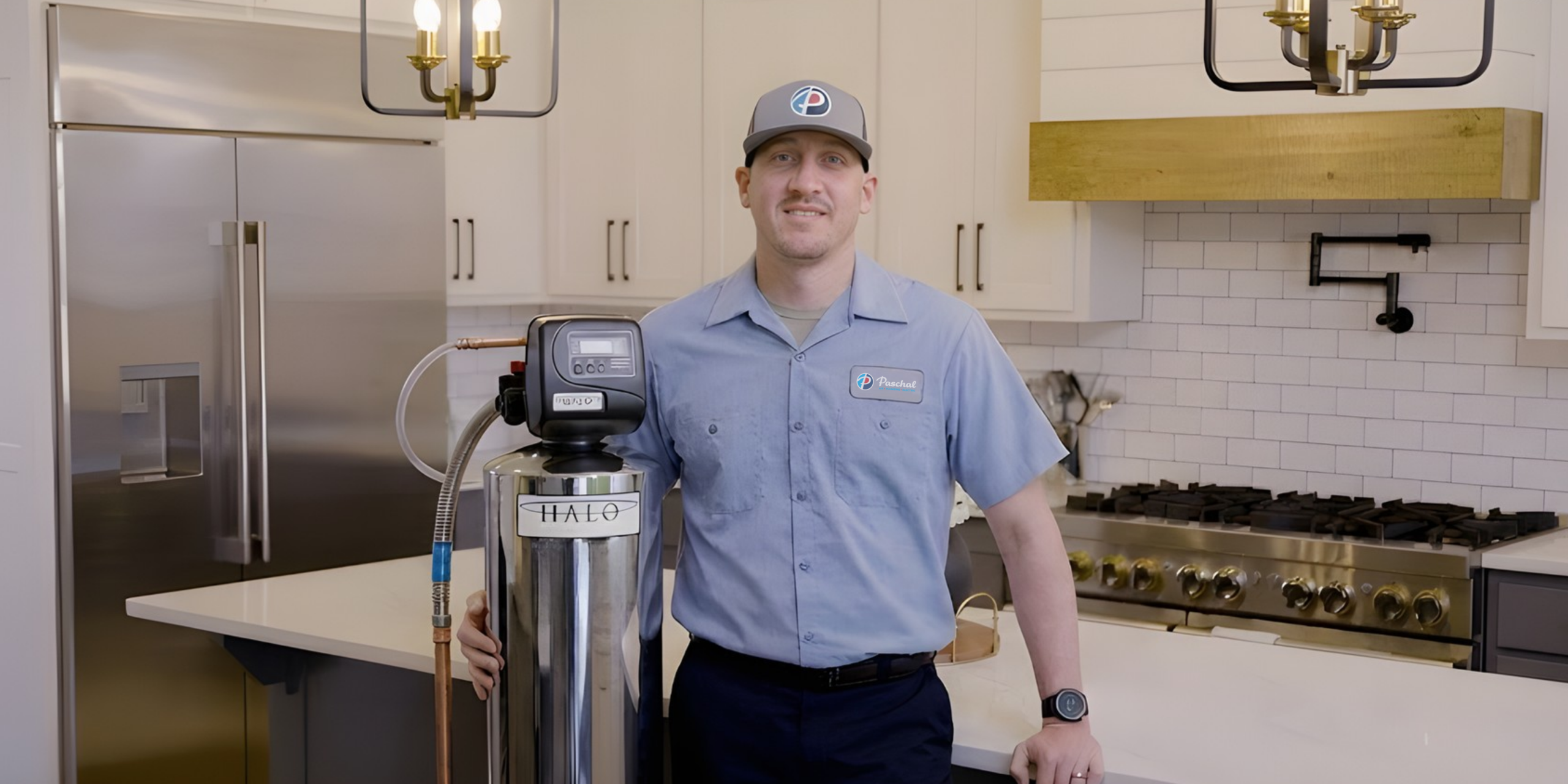
Water is a big part of our everyday life, but many of us do not think about its quality until there is a problem. If you feel your skin is dry, your dishes come out cloudy, or your appliances do not work like they should, you might be dealing with hard water problems. A water softener can help with that.
In this blog post, you will read about water softeners, what they are, why they matter for your home, and how to pick the best system for you. Whether this is new to you or you want to make your water better, we will give good tips and simple help on making your home’s water quality good every day.
Take Control of Your Home’s Water Quality
Tired of having dry skin, dishes with spots, and stiff laundry? Hard water is often the reason. It has a lot of minerals in it. The good news is, you do not have to keep putting up with this. A water softener can help make your water better in your home by taking out excess minerals. This guide will give you all the tips you need to pick, set up, and keep the right system for your place. You get to enjoy the feel of softer water every day. All this helps make your water quality better and gives you fewer problems with hard water.
A water softener system helps deal with water hardness. Most of these systems use a process called ion exchange. In this process, tiny resin beads grab onto hardness minerals like calcium and magnesium in your water supply. This way, the water softener system can get these minerals out. With this system, your water quality gets much better.
It is good to know that a water softener is not the same as a water filter. A softener takes out minerals that are the cause of scale buildup. A filter, on the other hand, gets rid of things like chlorine, some bacteria, or dirt to make water taste better and make it safer. Next, we will look at how a water softener works and why many people need this appliance in their homes.
A water softener is a device that connects to the water supply in your house. It takes away the minerals that make water hard. The most common kind uses the ion exchange process. Inside its tank, there are many small resin beads. The beads have a layer of sodium ions.
When hard water goes through the tank, the hardness minerals like calcium and magnesium stick to the resin beads. The beads then trade their sodium ions for the hardness of minerals. This means the beads hold onto the minerals and let softened water go into your home. Doing this helps you get better water quality.
If you do not use a softener, the hardness of minerals in your water can be a real problem. They can hurt your pipes and the appliances you have. You may also feel your skin get dry. A water softener helps to keep your home safe. It also makes life better every day.
Hard water can have a surprising number of negative effects on your home and daily routine. Over time, the minerals in hard water create a chalky scale buildup inside your pipes and on your fixtures, which can lead to clogs and reduced water pressure. Your water-using appliances are also at risk.
This mineral accumulation is especially damaging to your water heater, forcing it to work harder and reducing its efficiency and lifespan. You will also notice the effects of hard water in your kitchen and bathroom. Some of the most common issues include:
These problems can make cleaning more difficult and less effective. Softening your water eliminates these issues, making your home easier to maintain and more comfortable to live in.
When you start shopping for a water softener, you’ll find a few different types of water softeners available. The two main categories are salt-based and salt-free systems. Each type works differently to combat the effects of hard water.
Additionally, you can choose between single-tank and dual-tank models, which determine how the system provides continuous soft water. Understanding these options will help you decide which is the best fit for your household needs. Let’s look at the differences between these systems more closely.
The most significant difference between these systems is how they treat hard water. A salt-based water softener uses ion exchange to physically remove hardness minerals and replace them with sodium ions. This is the most effective method for reducing water hardness.
On the other hand, a salt-free water softener, often called a water conditioner, doesn’t remove the minerals. Instead, it uses a medium like potassium chloride or a magnetic field to crystallize the minerals, preventing them from sticking to surfaces and forming scale. While they are lower maintenance, they may not be as effective on very hard water.
| Feature | Salt-Based Water Softener | Salt-Free Water Softener (Conditioner) |
| Method | Removes hardness minerals via ion exchange. | Conditions minerals to prevent scale buildup. |
| Maintenance | Requires regular salt refills. | Generally lower maintenance; no salt is needed. |
| Effectiveness | Highly effective, even on very hard water. | Best for moderate hardness; less effective on high levels. |
| Sodium | Adds a small amount of sodium to water. | Does not add any sodium to water. |
When choosing a salt-based system, you’ll encounter single-tank and dual-tank water softener options. A single-tank water softener is the standard model for most homes. It contains one resin tank that processes your water. However, when the resin beads are full of minerals, the system must perform a regeneration cycle to clean itself. During this cycle, it cannot produce soft water.
For larger households or homes with very high-water usage, this downtime can be an issue. This is where a dual-tank water softener comes in. It features two resin tanks. While one tank is regenerating, the other seamlessly takes over, ensuring your home has an uninterrupted supply of softened water 24/7.
While they are larger and more expensive, dual-tank systems offer a significant advantage for homes that can’t afford any interruption in their soft water supply. Yes, both single and dual-tank softeners are designed to treat water for the whole house.
Finding the right water softener for your home doesn’t have to be complicated. The first step is to figure out your specific needs. This involves determining your household’s daily water usage and understanding the hardness level of your water. You can get this information from a simple water test.
Once you have these key details, you can start comparing systems that match your requirements. The following sections will guide you through the essential features to look for and how to compare different brands to make a confident choice.
When comparing water softeners, certain features are more important than others. Grain capacity is one of the most critical. This number tells you how many grains of hardness the unit can remove before its resin bed needs to go through a regeneration cycle. To find the right capacity, multiply your daily water usage in gallons by the number of grains per gallon (gpg) in your water.
Another key feature is the flow rate, measured in gallons per minute (GPM). Your softener flow rate must be high enough to meet your home’s peak water demand without causing a drop in water pressure. Here are a few features to consider:
Considering these features will ensure you select a system that is both effective and convenient for your household.
You can purchase water softeners from various places, including big-box retailers like Home Depot and Menards or specialized water treatment dealers. Retailers offer a wide selection of water softener brands that you can often install yourself, while specialized dealers typically offer high-performance systems and include professional installation.
The reliability of a brand often depends on the quality of its components and the support offered. Brands from authorized dealers often come with stronger warranties and expert service. When making your choice, think about long-term maintenance requirements and whether you prefer the support of a local expert.
Here’s a look at what to expect from different retailers:
| Retailer Type | Pros | Cons |
| Big-Box Stores | Wide variety of brands and price points | May require more research to choose; installation is extra. |
| Specialized Dealers (Like Paschal) | High-quality systems, expert advice, professional installation included. | Higher initial cost, fewer brands to choose from. |
Deciding between a DIY in-home installation and hiring a pro often comes down to your comfort level with plumbing and your budget. A professional installation offers peace of mind, as you can be confident that the system is set up correctly and will operate efficiently from day one. Experts can also ensure the system settings are optimized for your home’s water quality.
While professional service adds to the upfront installation costs, it can save you from potential headaches and costly mistakes. A DIY installation can save money, but it requires careful work to avoid leaks or improper connections that could affect performance.
For many homeowners, the assurance that comes with a professional installation is well worth the investment. It also establishes a relationship with a service provider who can assist with future maintenance requirements.
A well-chosen treatment system can protect your plumbing, extend appliance life, and improve your day-to-day comfort. By understanding the different types of systems and the features that matter most, you can make an informed decision that benefits your home for years.
After installation, basic upkeep — checking salt levels, preventing salt bridges, and monitoring system settings—will keep your unit running reliably.
If you’re ready to explore whole-home water filtration and softening solutions, Paschal can help.
Learn more about your options:
https://gopaschal.com/water-quality/
Understanding Your Water Softener System
After your water softener is installed, understanding its basic functions and maintenance requirements will keep it running smoothly for 10-15 years or even longer. Your system uses a regeneration cycle to flush out the collected minerals and refresh the resin beads with salt. This process is automatic and vital for the softener’s performance. Depending on your model, this cycle may be triggered by a timer or by your actual water usage.
To maintain your system, a Paschal plumber can check the salt level in the brine tank every 4-6 weeks and add more as needed. They can also periodically clean the brine tank to prevent “salt bridges,” which are hardened crusts that can stop the softener from working correctly.
The most common signs of hard water problems include white, chalky scale buildup on faucets and showerheads, soap scum in sinks and tubs, stiff or faded laundry, and dry skin or hair after bathing. If you notice any of these issues, you likely need a water softener.
The installation time for a water softener varies. A simple electromagnetic unit can take as little as 15 minutes. Professional installation that involves cutting pipes, expect it to take a few hours from start to finish, depending on the complexity of your plumbing.
Common mistakes in water softener installation include choosing the wrong size unit for your home, installing it backward, or placing it after the water heater. It’s also crucial to program the settings correctly based on a water test to ensure the resin bed regenerates properly.
To maintain your water softener, regularly check and refill the salt in the brine tank using the correct type of salt. Periodically clean the tank to remove any sediment or salt bridges and ensure the regeneration cycle is programmed correctly for your water quality and usage.
Yes, water softeners can be used for the entire house. Whole-house systems effectively treat all incoming water, preventing scale buildup in plumbing and improving water quality for bathing, cooking, and cleaning. This solution enhances appliance lifespan and provides more effective soap and detergent performance.
When purchasing a water softener, consider the hardness level of your water, the size of your household, and maintenance requirements. Look for energy efficiency, salt usage, and additional features like digital displays. Always compare warranties and customer support to ensure a reliable choice.
Regular maintenance of your water softener is crucial for optimal performance. Clean the brine tank, check salt levels monthly, and regenerate as needed. Inspect and clean the resin beads annually to prevent buildup, ensuring efficient operation and extending the system’s lifespan.
A water softener reduces hard minerals like calcium and magnesium, preventing scale buildup and improving soap efficacy. In contrast, a water filter removes impurities such as chlorine, sediment, and bacteria, enhancing water taste and safety. Both serve different purposes in water treatment.


© 2026 Paschal Air, Plumbing & Electric. All rights Reserved. ARHVACR: 1448550 . ARPlumb: MP6860 . ARElec: M-11071 . ARContractor: 031664 . TXHVACR: TACLA129951E . TXPlumb: M-44920 . TXElec: TECL38435 . OKHVACR: 068145 . OKPlumb: 082277 . OKElec: 00227101 . Texas Department of Licensing and Regulations, PO Box 12157, Austin TX 78711 (512) 463-6599 . The Texas State Board of Plumbing Examiners, PO Box 4200, Austin TX 78765 (512) 936-5200 . Plumbing: #M-44920 RMP Joshua Gross