Want to save with Paschal? Don’t miss our current offers and specials
Want to save with Paschal? Don’t miss our current offers and specials

Want to save with Paschal? Don’t miss our current offers and specials
Return to Paschal Resource & Education Hub
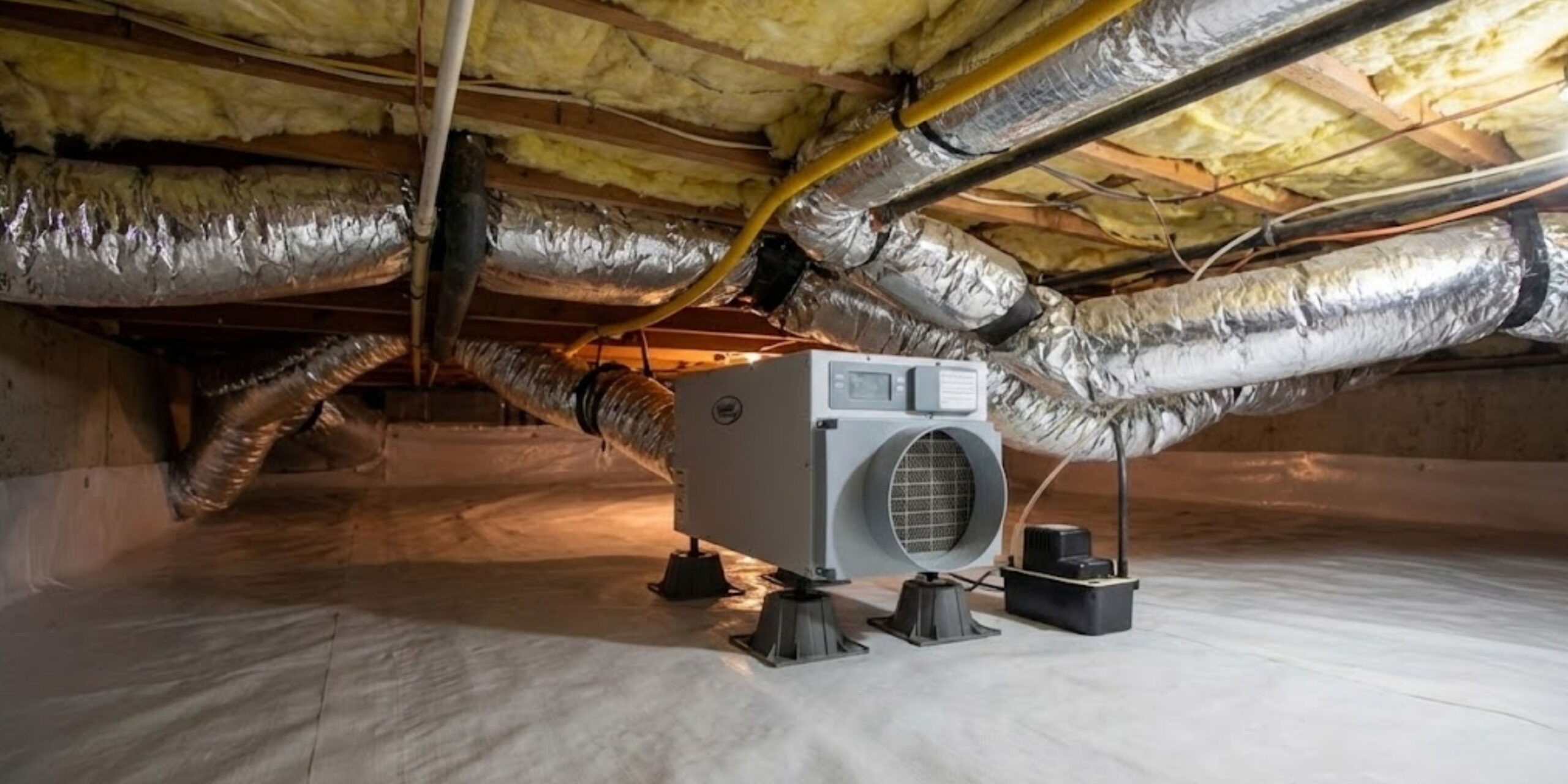
If your home feels sticky or uncomfortable even when the air conditioner is running, excess humidity is often the reason. High moisture levels do more than affect comfort. Over time, they can impact indoor air quality, aggravate allergies, and quietly damage materials inside your home.
A whole-home dehumidifier solves the problem at its source. Instead of addressing humidity one room at a time, it manages moisture levels throughout the entire house. The result is more consistent comfort, healthier air, and better protection for both your home and the people living in it.
A whole-home dehumidifier works alongside your existing HVAC system to control moisture across every room. Unlike portable units that only treat the space they sit in, this system connects directly to your ductwork to remove excess humidity from the air as it circulates through your home.
While air conditioners remove some moisture, they are designed to cool the air, not manage humidity. During mild or humid weather, your AC may not run long enough to pull out moisture effectively. A whole-home dehumidifier fills that gap by keeping humidity in a healthy range year-round.
The system pulls humid air through your ductwork and passes it over a cooled coil. As the air cools, moisture condenses into water and drains away through a dedicated line.
Once the excess moisture is removed, the drier air is distributed back through your home. The process runs quietly in the background and does not affect the temperature. There are no tanks to empty, no equipment taking up floor space, and no daily upkeep required.
Portable dehumidifiers can help with short-term moisture issues in a small area, but they are limited. They need to be moved from room to room, emptied frequently, and often add noticeable noise to your living space.
A whole-home dehumidifier operates out of sight and delivers consistent humidity control throughout the house. It drains automatically, works with your HVAC system, and provides long-term comfort and air quality improvements that portable units cannot match.
A whole-home dehumidifier provides consistent humidity control for every room, while portable units only address the immediate area they are in. Here’s a quick comparison:
| Feature | Whole Home Dehumidifier | Portable Dehumidifier |
|---|---|---|
| Coverage | Entire house | Single room or small area |
| Maintenance | Less maintenance; automatic drain | Manual water tank emptying |
| Noise Level | Virtually no audible noise | Can be loud and disruptive |
| Operation | Integrates with HVAC system | Standalone unit |
| Efficiency | Generally, more energy efficient | Less efficient for whole-home use |

Lower humidity improves comfort, but the benefits go well beyond how the air feels. Balanced moisture levels support better indoor air quality, help protect your home, and reduce stress on your HVAC system.
When humidity stays under control, issues like odors, mold growth, and uneven comfort are far less likely. That means a healthier environment and fewer mold problems over time.
High humidity encourages organic growth and dust mites, which can affect air quality. These allergens can circulate through your home and trigger allergy or asthma symptoms.
By removing excess moisture, a whole-home dehumidifier helps limit the growth of these irritants. The air feels fresher, smells cleaner, and is easier to breathe, especially for those sensitive to indoor allergens.
A whole-home dehumidifier helps by:
Humid air holds heat, which can make your home feel warmer than it actually is. When excess moisture is removed, rooms feel cooler and more comfortable without constantly adjusting the thermostat.
Proper humidity control also allows your air conditioner to run more efficiently, reducing wear and energy use. Most importantly, keeping moisture in check is one of the most effective ways to prevent organic growth and protect your home and indoor air quality.
The right system depends on your home’s size, layout, and existing humidity levels. A unit that is too small will struggle to keep up, while one that is too large may not operate as efficiently.
The goal is consistent humidity control between 35 and 50 percent. Professional guidance helps ensure the system is sized and installed correctly so it delivers reliable, long-term results.
Capacity is one of the most important factors when choosing a whole-home dehumidifier. Capacity is measured in pints of moisture removed per day and should match your home’s square footage and humidity levels. For example, while a small space may only need a low capacity unit, a full home often requires a system capable of removing 90 to 120 pints per day.
Other features also play an important role in performance and convenience. An automatic humidistat allows the system to monitor humidity and run only when needed, improving energy efficiency and comfort.
Key features to look for include:
Crawlspace dehumidifiers are another option, but this article focuses on whole-home solutions that manage humidity throughout the living space.
Installing a whole-home dehumidifier is not a DIY project. Proper installation requires HVAC expertise to ensure the system integrates correctly with your ductwork, electrical system, and drain line.
A licensed professional will determine the best location for the unit, typically near your air handler, and handle all necessary connections. Incorrect installation can lead to poor performance, air leaks, or moisture issues, which defeats the purpose of the system.
Professional installation ensures:
When considering a whole-home dehumidifier, it’s natural to have questions about the ongoing commitment. The good news is that these systems require less maintenance than their portable counterparts. Understanding the regular upkeep, installation cost, and energy use will help you see the long-term value.
With high energy efficiency and minimal upkeep, a whole-home dehumidifier is a smart investment in your home’s comfort and health. Let’s break down what you can expect in terms of maintenance and costs.
Installation costs for a whole-home dehumidifier typically range, depending on the system and installation complexity. While this is an upfront investment, many homeowners find the comfort, air quality, and home protection benefits well worth it.
Modern systems are built for efficiency, and many are ENERGY STAR certified. By reducing humidity, your air conditioner does not have to work as hard to keep your home comfortable, which can help lower overall energy use.
Routine maintenance is simple:
Some modern, high-efficiency HVAC systems include variable-speed or modulating technology that helps manage humidity on their own. Homeowners have two paths:
For homeowners dealing with persistent humidity, the difference can be noticeable. If your home feels clammy, smells musty, or struggles with allergy symptoms or mold concerns, a whole-home dehumidifier often provides lasting relief.
The value goes beyond moisture removal. Balanced humidity supports healthier air, more consistent comfort, and better protection for your home and HVAC system. When moisture stays in check, everything works better together.
Not every home needs a whole-home dehumidifier, but for those that do, it can be a smart and worthwhile investment. If you are unsure whether it is the right solution for your space, a professional assessment can help you understand your options and make an informed decision with confidence.
Common signs include musty odors, visible organic growth, condensation on windows, warped wood surfaces, and a general feeling of damp or sticky air. Increased allergy symptoms indoors can also point to excess humidity.
Reducing moisture limits the growth of mold, mildew, and dust mites. This creates cleaner, healthier air throughout the home, which is especially helpful for those with allergies or asthma.
Yes, it certainly can. Many common triggers for allergies and asthma, such as dust mites and mold spores, flourish in humid conditions. A whole-home dehumidifier improves indoor air quality by creating drier air, which reduces these allergens and can help lessen the severity of allergy and asthma symptoms.
The correct size depends on your home’s square footage and humidity levels. A professional evaluation ensures the system is properly sized for efficient and effective performance.
The correct size depends on your home’s square footage and humidity levels. A professional evaluation ensures the system is properly sized for efficient and effective performance.

© 2026 Paschal Air, Plumbing & Electric. All rights Reserved. Paschal Air: #TACLA00129951E • Paschal Plumbing: #M-44920 • Paschal Electric: TECL#81327 • Texas Department of Licensing and Regulations, PO Box 12157, Austin TX 78711 (512) 463-6599 • The Texas State Board of Plumbing Examiners, PO Box 4200, Austin TX 78765 (512) 936-5200 • Plumbing: #M-44920 RMP Joshua Gross