Want to save with Paschal? Don’t miss our current offers and specials

Want to save with Paschal? Don’t miss our current offers and specials

Want to save with Paschal? Don’t miss our current offers and specials
Return to Paschal Resource & Education Hub
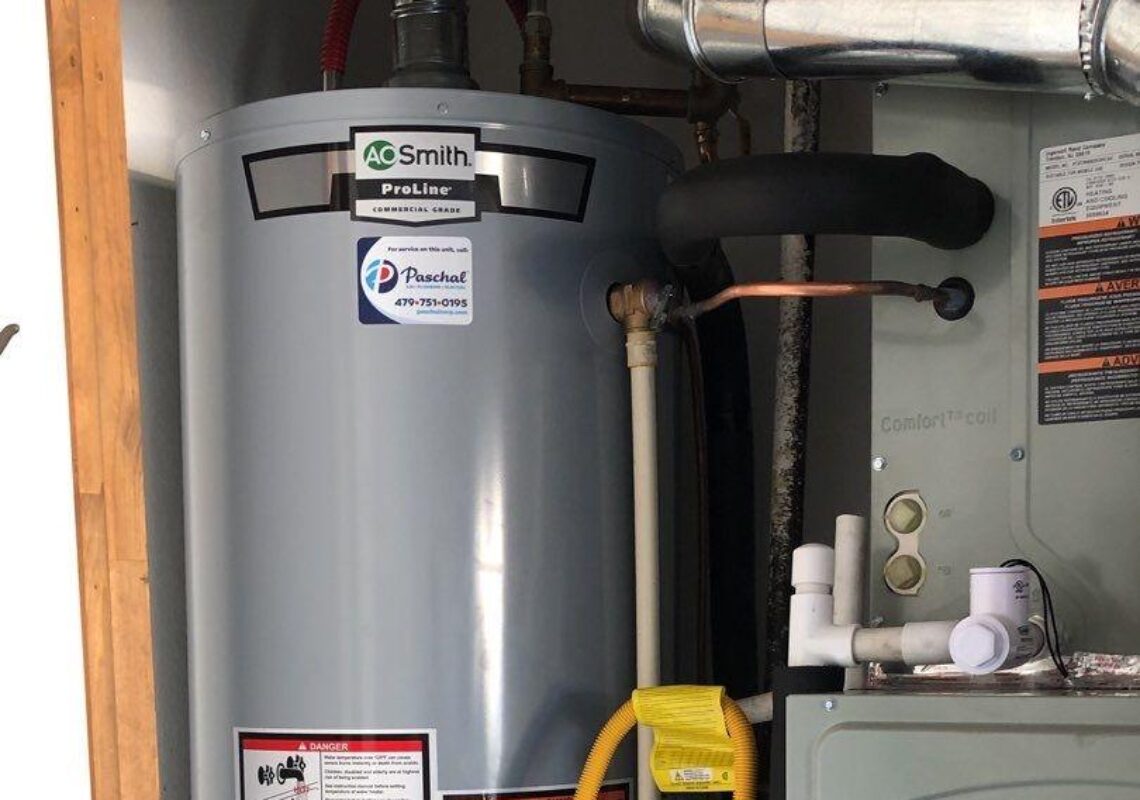
You don’t think about your water heater until your morning shower turns cold. When that happens, the first question is simple: how long should a water heater last, and is it time for a water heater replacement?
Most water heaters last between 8 and 12 years, but that range depends on the unit’s design, installation quality, maintenance, and local water conditions. Knowing your consumer rights and where your system falls in that range helps you plan ahead, avoid sudden breakdowns, and keep hot water flowing when you need it.
Today’s water heaters are built with durability in mind, but they are not designed to last forever. Over time, components wear out, and efficiency can decline, leading to increased energy expenses.
To get a more precise idea of your unit’s age, you can check the serial number on the nameplate on the side of your current unit. This helpful information often includes the manufacturing date. Your water heater manual is another excellent resource, providing specific details about your model and its expected service life.
Understanding this timeframe helps you anticipate what kind of coverage might be necessary when a replacement is on the horizon. If your water heater is approaching or has passed the 12-year mark, it’s a good idea to start planning for a new one to avoid being caught without hot water.
Yes, a 10-year lifespan for a hot water heater is quite typical across the United States. Many homeowners find that their units begin to show signs of aging around this time. While some water heaters can last longer with excellent care, reaching the 10-year point is a significant milestone.
At this age, the risk of leaks, inefficiency, and other problems increases. You might find yourself weighing the cost of frequent repairs against the one-time investment of a new unit. Consider the local utility rebates available in your area when deciding. The average life expectancy of a water heater is a reliable guide, and a decade is a common point where replacement becomes a practical consideration.
Considering replacement costs at this stage is a smart financial move. A new, more efficient model can often save you money on energy bills, making the upgrade a beneficial choice in the long run.
The type of water heater you have plays a significant role in its durability. The two most common types are the gas water heater and the electric water heater, and their lifespans can differ due to the wattage capacity, design of the unit, and how they heat water. Each has its own set of components that are subject to wear and tear.
Some models are engineered to be more efficient water heaters, which can sometimes correlate with a longer service life. If you are considering replacing your old water heater, as you explore your options, you’ll see how these differences in design can affect not just your energy bills but also how soon you’ll need a replacement. Let’s compare these types and consider how size also impacts longevity.
When comparing a gas water heater to an electric water heater, you’ll find slight differences in their expected lifespans. Generally, today’s water heaters in the gas category have a slightly shorter service life, averaging around 8 to 12 years. An electric model often lasts a bit longer, typically between 10 and 15 years. This difference is partly due to the direct exposure of the gas burner to heat and combustion byproducts.
The fuel type is the primary distinction. An electric water heater uses heating elements submerged in the water, which can be a starting point for understanding how their longevity can be affected by the voltage of the heating elements and mineral buildup. A gas model, on the other hand, heats the tank from the bottom with a flame. The estimated annual cost also varies between the two, with gas often being cheaper to operate.
Here is a quick comparison:
| Feature | Gas Water Heater | Electric Water Heater |
|---|---|---|
| Average Lifespan | 8-12 years | 10-15 years |
| Heating Method | Burner and flue | Heating elements |
| Common Issues | Pilot light, thermocouple | Thermostat, heating elements |
| Operating Cost | Generally lower | Generally higher |
Does the size of the water heater tank affect its lifespan? The tank capacity itself doesn’t directly shorten or lengthen a water heater’s life, but how it relates to your household’s usage does. A unit that is too small for your needs will work harder and more frequently to provide enough hot water, which can lead to premature wear on its components.
For example, a larger unit might be a better fit for larger families or households where longer showers are common. A properly sized tank ensures it can meet demand without being constantly overworked. This reduces stress on the system and can contribute to a longer, more reliable service life. The recovery rate, which is how quickly the unit can heat a new supply of water, is also a key factor in ensuring you have plenty of hot water without overtaxing the system.
Consider these factors when thinking about size:
Beyond its type and size, several other factors can significantly impact how long your water heater lasts. Things like water quality, household usage patterns, and the quality of the initial installation all play a part in its overall durability. For instance, hard water can lead to sediment buildup at the base of the tank, forcing the unit to work harder.
Even the temperature setting can affect its lifespan. A setting that is too high can accelerate corrosion and mineral buildup. Ensuring the correct setting for your water heater can help you take steps to protect your investment and possibly avoid an early call for professional water heater repair. Let’s look closer at how your water and daily habits can affect your unit.
Your local water quality is one of the biggest factors in a water heater’s longevity. If you live in an area with hard water, minerals like calcium and magnesium can settle at the bottom of the tank, creating sediment buildup. Additionally, issues like a dirty inlet air screen can further impair the heater’s efficiency. This layer of sediment insulates the water from the heating mechanism, forcing the unit to work harder and longer to heat the water, which causes extra wear and tear.
Household usage patterns also make a difference. Larger families naturally use more hot water, placing a greater demand on the water heater. If your unit is constantly running to keep up, its components, including the circuit breaker, will wear out faster than they would in a smaller household with lower usage.
Ensuring your water heater is properly sized for your family’s needs is key to making sure there is always enough hot water without overworking the unit. Regular maintenance to flush out sediment can also counteract the effects of poor water quality and extend your heater’s life.
The quality of installation is fundamental to your water heater’s performance and lifespan. A professional water heater installation ensures that all connections are secure, ventilation is adequate (for gas models), and the unit is set up according to the manufacturer’s installation guidelines. An improper installation can lead to a host of problems, from inefficiency to safety hazards and premature failure.
The environment where the unit is installed matters, too. The water heater installation space should be clean, dry, and provide enough clearance for maintenance and proper airflow. Placing a unit in a damp or corrosive environment can accelerate the rust and decay of the tank and its components.
Specific conditions of the installation, such as proper support for the unit and correct pipe fittings, also contribute to its longevity. Following best practices from the start can save you from future headaches and expenses.
How can you tell if your water heater needs to be replaced? Certain signs are hard to ignore and often point toward the end of your unit’s life. Water heater leaks, especially around the base of the tank, are a major red flag that often indicates an internal tank issue that cannot be repaired.
While some problems can be fixed with professional water heater repair, recurring internal issues or multiple symptoms at once may signal that a water heater replacement is the more sensible and cost-effective option. It’s important to investigate the underlying cause to decide whether a simple hot water heater repair will suffice or if it’s time for a new unit. Let’s review the common symptoms to watch for.
One of the most common signs of a failing water heater is having insufficient hot water or no hot water at all. This could be due to a failing grounded heating element in an electric model or an issue with the pilot light on a gas unit. While sometimes repairable, it’s a clear warning that something is wrong.
Strange noises, such as rumbling or popping sounds, often indicate a significant sediment buildup that is causing the water to boil and steam inside the tank. You should also watch for any signs of leaks. Water pooling around the base is a serious symptom, but even small drips from fittings or valves can point to a larger problem. Discolored or smelly water can also be a sign of internal corrosion.
Here are some symptoms to look out for:
Deciding whether to repair or replace your water heater often comes down to age, cost, and the nature of the problem. For a relatively new unit with a minor issue, such as a faulty thermostat or pressure relief valve, a professional water heater repair is usually the most logical choice. Simple troubleshooting techniques can often identify these problems, and knowing what to expect from your repairs can improve the chances of a smooth resolution, as replacement parts are typically affordable.
However, if your water heater is over 10 years old and experiencing major issues like a leaking tank or frequent breakdowns, a water heater replacement is almost always the better investment. The replacement costs for a new unit may seem high upfront, but they are often more economical than paying for continuous repairs on an aging, inefficient system, especially when considering federal tax credits for energy-efficient models.
Consider the “50 percent rule”: if a repair costs more than half the price of a new unit, replacement is the smarter move. A new, more efficient model will also save you money on energy bills, providing long-term value.

Understanding your water heater’s lifespan helps you stay in control of your home, not react to it. With most systems lasting 8 to 12 years, a little planning goes a long way in avoiding cold showers, surprise breakdowns, and unnecessary stress.
Simple steps like regular maintenance, proper installation, and paying attention to how your household uses hot water can make a real difference. When you know what to watch for, small issues stay small, and your system keeps doing its job reliably.
If something feels off, whether it’s inconsistent temperatures, strange noises, or signs of wear, it’s worth having it checked before it turns into a bigger problem.
When you’re ready for expert help, Paschal makes it easy. Our licensed plumbers are trained to handle everything from water heater repair to full water heater replacement. Whether you need a quick fix or a new system, you can expect clear recommendations, upfront pricing, and professional installation done right.
Call or text 479-502-9229 or schedule online to get answers and service you can trust.
Absolutely. Regular maintenance, such as flushing the tank to remove sediment buildup, is one of the most effective ways to extend the life of your water heater. This simple task improves efficiency and reduces strain on components, helping you avoid premature failure and the need for an early water heater repair, especially in areas with poor water quality.
While quality can vary by brand, a water heater’s longevity is less about the name and more about the unit’s design and its components. Following the manufacturer’s maintenance instructions and using high-quality replacement parts when needed will help you make a more informed decision about its lifespan than relying on the brand alone.
Yes, you can definitely increase your water heater’s life with proper care. Regular maintenance, including checking the anode rod and flushing the tank, is crucial. Additionally, setting the temperature setting to 120°F can slow down corrosion and mineral buildup, helping your unit run efficiently for as long as possible.
Yes. Whether you have a traditional tank or a tankless model, our team can assess what you have, walk you through the options, and help you decide whether a repair or replacement makes the most sense for your situation. No pressure, just honest guidance.
That’s more common than you’d think. A Paschal Pro can come out, take a look at your unit, check the age and condition, and give you a clear picture of where things stand. From there, we’ll help you understand your options so you can make the right call for your home and budget.


© 2026 Paschal Air, Plumbing & Electric. All rights Reserved. ARHVACR: 1448550 . ARPlumb: MP6860 . ARElec: M-11071 . ARContractor: 031664 . TXHVACR: TACLA129951E . TXPlumb: M-44920 . TXElec: TECL38435 . OKHVACR: 068145 . OKPlumb: 082277 . OKElec: 00227101 . Texas Department of Licensing and Regulations, PO Box 12157, Austin TX 78711 (512) 463-6599 . The Texas State Board of Plumbing Examiners, PO Box 4200, Austin TX 78765 (512) 936-5200 . Plumbing: #M-44920 RMP Joshua Gross