Want to save with Paschal? Don’t miss our current offers and specials
Want to save with Paschal? Don’t miss our current offers and specials

Want to save with Paschal? Don’t miss our current offers and specials
Return to Paschal Resource & Education Hub
Here’s a quick rundown of what you need to know about fixing shower drain clogs:
Standing in a puddle of dirty water because your shower won’t drain is no fun. A clogged shower drain can mess up your morning routine and, if left alone lead to some unpleasant smells. The main culprits are often a buildup of hair and soap scum right under the drain cover. The good news is that you can often fix shower drain clogs with a few simple tricks. Let’s walk through some easy ways to get your water flowing freely again.
Before you start trying to fix things, it’s smart to take a quick look to understand what you’re up against. Is the water draining slowly, or is it not moving at all? The severity of the clog will help you decide which method to try first. Sometimes, you can see the problem right away.
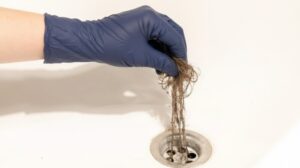
Take a peek into the drain. Do you see a clump of hair or visible debris that you can easily grab? If so, that’s your starting point. This initial assessment helps you figure out if you have a minor issue or a bigger buildup deeper down.
Not sure if you have a drain clog? Your plumbing system will usually give you a few clues. The most obvious sign is when water starts pooling around your feet instead of going down the drain. This slow water flow is a classic symptom of a blockage. You might also notice some unpleasant odors coming from the drain, which is often caused by gunk and soap scum decomposing in the pipes.
Another sign is hearing gurgling noises after the water finally goes down. This sound means air is being trapped by the blockage and is struggling to get out. If you notice any of these signs, you probably have a clogged shower drain.
Ever wonder why your shower drain seems to clog so easily? The reasons are usually pretty simple and build up over time. The number one cause is a buildup of hair. Long or short, hair easily gets tangled with soap and other gunk, forming a stubborn net that traps everything else.
Soap scum is another major contributor. Bar soap can leave a waxy residue that combines minerals in your water, creating a hard-to-remove film inside your pipes. This mixture of hair, grease, and organic matter creates a thick blockage that slows down or completely stops water from draining.
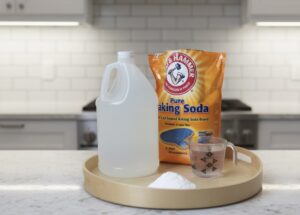
You don’t always need harsh chemicals to clear a clog. In fact, your kitchen probably holds the key to fixing minor shower blockages. Simple, effective methods using everyday products can often get the job done without damaging your pipes. Solutions involving baking soda, vinegar, and boiling water are great starting points.
These DIY fixes are perfect for breaking down the grease and soap scum that contribute to clogs. Before you reach for a tool, let’s explore how these household staples can help you clear visible debris and dissolve the blockage.
Often, the problem is right at the surface. The first and easiest step is to remove any visible buildup of hair and gunk from the drain opening. You’ll want to put on some gloves for this, as it can be a bit messy. If you can, remove the drain cover, which might require a screwdriver.
Once the cover is off, use a flashlight to get a better look inside. You can use tweezers or needle-nose pliers to pull out any clumps you see. Be careful not to push the debris further down the pipe. For anything just out of reach, a bent wire coat hanger can work as a makeshift tool to hook and pull out the clog.
Using Baking Soda, Vinegar, and Boiling Water Mix
For a natural yet powerful cleaning solution, look no further than baking soda and vinegar. This combination creates a chemical reaction that fizzes and expands, helping to break down soap scum and grime inside your pipes. It’s a great alternative to harsh chemicals and is much safer for your plumbing.
Start by pouring about half a cup of baking soda directly into the drain. Follow it up with one cup of white vinegar and immediately cover the drain to contain the fizzing action. Let this mixture work its magic for about 30 minutes. After the time is up, flush the drain with a kettle of water to wash away the loosened gunk.
If the baking soda trick doesn’t work, it’s time to bring out the tools. A plunger or a drain snake can physically dislodge stubborn clogs. A plunger is great for creating suction to loosen blockages. Just make sure there’s enough water in the shower to cover the plunger’s cup, create a tight seal over the drain, and give it several firm pumps.
A drain snake, also known as an auger, is better for clogs that are deeper in the pipe. You feed the snake into the drain until you feel the blockage, then turn the handle to break it up or pull it out. A simple wire coat hanger can even work as a temporary snake for clogs that aren’t too far down.
| Tool | Best For | How to Use |
| Plunger | Loosening nearby clogs | Create a tight seal over the drain and use suction to dislodge the blockage. |
| Drain Snake | Deep, stubborn clogs (like hair) | Insert into the drain, twist to break up or grab the clog, and pull it out. |
Sometimes, you’re faced with a clog that just won’t budge. If water isn’t draining at all, you’re dealing with a serious blockage. These types of clogs are often located deeper in the plumbing and require more force than a simple baking soda mix can provide. You’ll need to escalate your efforts to more powerful tools.
Before you immediately call a professional plumber, there are a few more aggressive DIY techniques you can try. Understanding how to tackle a severe clog safely is key to preventing damage to your pipes. Let’s look at how to handle a badly clogged drain.
When water is completely stationary, you have a major blockage on your hands. The first thing to try is a plunger. The suction and pressure it creates can be enough to dislodge the buildup and get things moving again. Make sure you have a good seal around the drain for this to be effective.
If the plunger fails, your next best bet is a drain snake. This tool is designed to reach deep into the pipes to break apart or pull out the clog. If you’ve tried both of these methods and the water is still standing, pouring boiling hot water down the drain is unlikely to help, as it can’t reach the blockage. At this point, the clog might be too severe for DIY fixes.
Using a plumber’s auger, or drain snake, can be very effective, but you need to do it carefully to avoid damaging your pipes. Start by feeding the end of the snake into the drain opening. Push it in gently until you feel resistance—that’s the clog.
Once you’ve hit the blockage, begin turning the handle on the auger. This motion will either break the clog apart or allow the snake to grab onto it. If you feel the snake has hooked the clog, slowly pull it back out of the drain. Don’t force it, especially if you have older or PVC pipes. Repeat the process if necessary until the water flows freely.
Before you start any drain cleaning project, safety should be your top priority. It’s always a good idea to wear a pair of rubber gloves to protect your hands from grime and bacteria. If you decide to use any chemical products, safety goggles are also recommended to protect your eyes from splashes.
Also, make sure the bathroom is well-ventilated by opening a window or turning on the fan. This is especially important when working with harsh chemicals. Following these simple precautions will help you get the job done without any unnecessary risks.
While chemical drain cleaners can seem like a quick fix, they should be used with extreme caution. These products contain harsh chemicals that can be dangerous if handled improperly. They can also cause serious damage to your plumbing, especially if you have older metal or PVC pipes, as they can corrode the material over time.
If you must use a chemical drain cleaner, always read and follow the manufacturer’s instructions carefully. Wear protective gear, like gloves and goggles, and never mix different chemical cleaners together, as this can create toxic fumes. It’s best to consider these a last resort, after you’ve tried safer, mechanical methods.
What happens if your drain cover is stuck? Sometimes, screws can rust, or the cover can get jammed with soap scum, making it impossible to remove. Don’t worry, you can still tackle the clog. A plunger is a great first option since it works by creating suction over the drain opening and doesn’t require removing the cover.
If that doesn’t work, you can try using a wet/dry vacuum. Set it to the “wet” function, create a tight seal around the drain, and turn it on to suck the clog out. For a simpler approach, you can still use the baking soda and vinegar method, as the mixture will flow through the holes in the drain cover to reach the blockage.
Fixing a clog is one thing, but preventing it from happening again is even better. A little bit of preventive maintenance can save you a lot of hassle down the road. The easiest way to stop future clogs is by catching hair and debris before they even enter your pipes.
Simple habits and inexpensive tools can make a huge difference. By being proactive, you can significantly reduce the buildup of soap scum and hair that leads to blockages. Let’s go over some easy ways to keep your drain clear.
The most effective way to prevent clogs is to stop them at the source. Installing a drain screen or hair catcher is the best thing you can do. These simple devices fit over your drain and catch hair and other debris while still allowing water to flow through. You just need to empty them out after every few showers.
To combat soap scum, try switching to a liquid body wash instead of a traditional bar soap, as it’s less likely to leave a waxy residue. Regularly cleaning your drain cover and the area around it will also help prevent buildup before it becomes a problem.
Developing a few good habits can go a long way to prevent future clogs. One of the simplest steps you can take is to run hot water down the drain for a minute or two after each shower. This helps flush away any fresh soap scum and oils before they have a chance to solidify inside your pipes.
For more proactive maintenance, make routine cleaning a part of your schedule. Once a month, pour a pot of boiling water down the drain or use the baking soda and vinegar method. This helps dissolve any minor buildup before it turns into a major headache. These simple maintenance tasks are key to keeping your plumbing in good shape.
DIY methods are great for minor clogs, but some jobs are best left to a professional plumber. If you’ve tried everything and your drain is still clogged, it’s a sign that the problem might be more serious. A professional has the years of experience and specialized tools to diagnose and fix complex drainage issues without damaging your plumbing system.
Ignoring persistent clogs can lead to bigger problems, so it’s important to know when to throw in the towel and call for help. Let’s cover the signs that indicate it’s time to contact an expert.
Sometimes, a clogged shower drain is a symptom of a larger issue. If you’re dealing with repeated clogs that keep coming back no matter what you do, it’s a clear sign you need a professional. This often means the blockage is deep within your plumbing system, possibly even in the main sewer line.
Another red flag is when multiple drains in your home are clogged at the same time. This almost always points to a major blockage that DIY methods can’t fix. If you’ve tried everything and the problem persists or worsens, don’t hesitate. It’s time to call a Paschal professional plumber to properly diagnose and resolve your drainage issues.
When you call Paschal Air, Plumbing & Electric, you’re getting more than a basic drain cleaning. Our licensed plumbers use professional-grade tools and proven methods to clear clogs thoroughly, without damaging your pipes.
Depending on the issue, our team may use:
This approach allows us to fix the root of the problem, not just temporarily improve drainage.
Minor shower drain clogs can often be handled with simple DIY steps, especially when caught early. Regular maintenance and prevention go a long way in keeping your drains flowing smoothly. But when clogs persist, spread to other drains, or keep coming back, professional help is the safest next step.
If your shower drain isn’t draining properly and DIY fixes haven’t worked, Paschal is here to help. Schedule professional sewer and drain service today and get your plumbing back to working the way it should:
Click here for Sewer & Drain services
Recurring clogs are often caused by a deep-seated buildup of hair and soap scum that DIY methods can’t fully remove. There might be gunk further down the pipe, or you could have underlying drainage issues. Preventing future clogs by catching hair at the drain can help, but you may need a professional.
Chemical drain cleaners should be used with caution. The harsh chemicals can damage PVC pipes and older plumbing systems over time. It’s always safer to try mechanical methods first. If you must use a chemical cleaner, follow the safety instructions and ensure the area is well-ventilated.
While household products like baking soda and a cup of vinegar, followed by boiling water can dissolve soap scum, they aren’t very effective on dense hair clogs. For hair, your best bet is to physically remove it with a bent wire coat hanger, tweezers, or by installing a drain screen to prevent it.
You can use a mix of baking soda and vinegar, followed by hot water to break down grease and soap scum. Pouring boiling water alone can also help dissolve minor clogs. These natural methods are safer for your pipes than chemical cleaners. A plunger is another great household tool to have.
If water won’t drain, first try a plunger to dislodge the blockage. If that doesn’t work, use a drain snake to reach deeper into the pipe. If the buildup is too severe for these tools, it’s best to call a professional plumber to avoid causing further damage to your pipes.


© 2026 Paschal Air, Plumbing & Electric. All rights Reserved. Paschal Air: #TACLA00129951E • Paschal Plumbing: #M-44920 • Paschal Electric: TECL#81327 • Texas Department of Licensing and Regulations, PO Box 12157, Austin TX 78711 (512) 463-6599 • The Texas State Board of Plumbing Examiners, PO Box 4200, Austin TX 78765 (512) 936-5200 • Plumbing: #M-44920 RMP Joshua Gross