Want to save with Paschal? Don’t miss our current offers and specials

Want to save with Paschal? Don’t miss our current offers and specials

Want to save with Paschal? Don’t miss our current offers and specials
Return to Paschal Resource & Education Hub
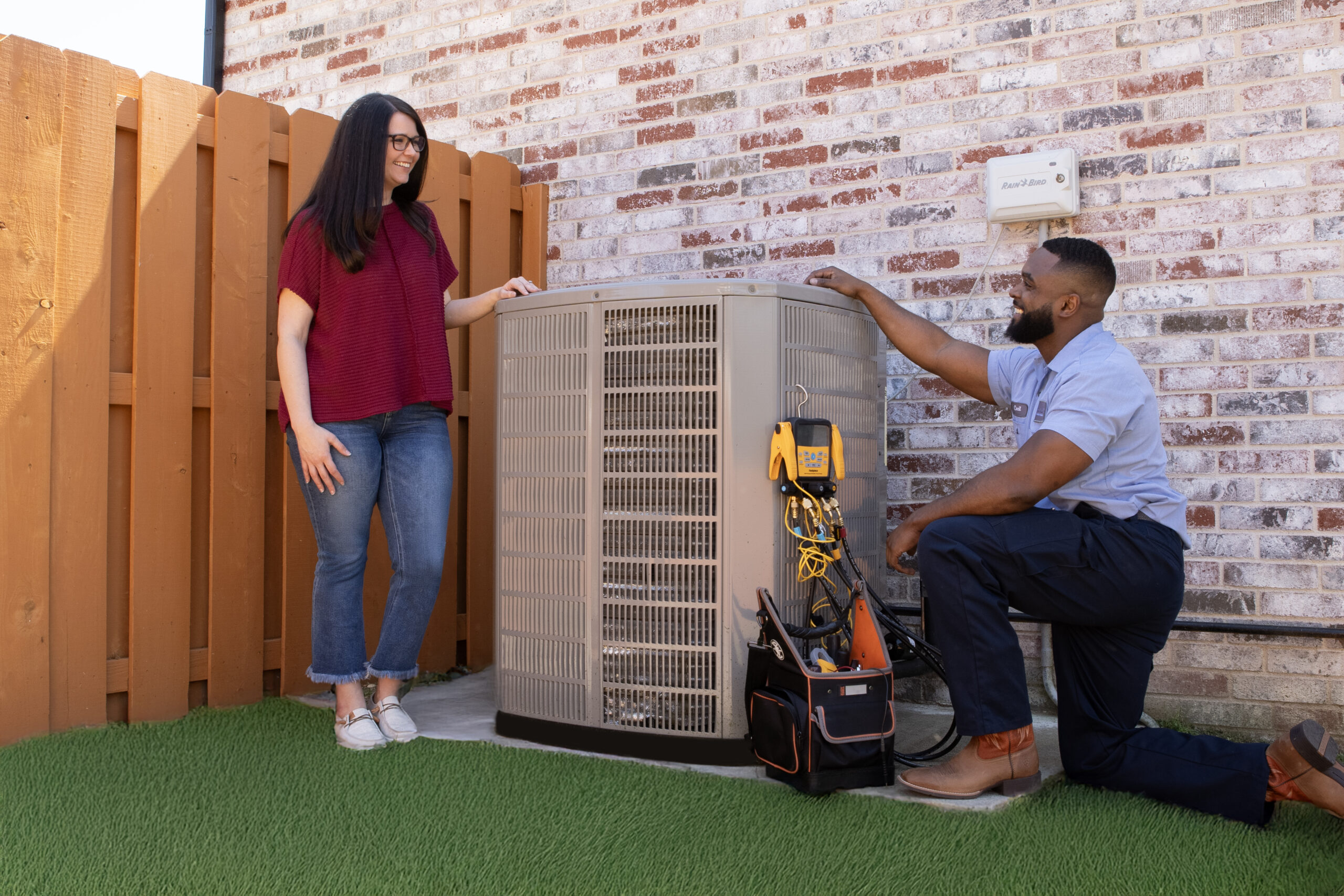
When your air conditioner stops cooling on a hot summer day, it can feel devastating. At the center of the problem is often the AC compressor, the part that does the heavy lifting to keep refrigerant moving and your home comfortable. When the compressor struggles, your entire system feels it.
While it’s helpful to understand how the compressor works and what can cause it to fail, this is not a repair you should attempt at home. Working on a compressor involves high voltage, pressurized refrigerant, and specialized tools; any mistake can be dangerous and cause more damage. Calling a certified HVAC technician is the safest way to protect your system, your home, and your peace of mind.
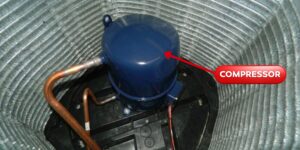
The air conditioner compressor is located in the outdoor unit and acts as the driving force behind your cooling system. It circulates refrigerant through the system so heat can be removed from your home and released outside. Without a working compressor, your AC cannot cool effectively.
Because the compressor supports both cooling and dehumidification, its performance affects comfort, efficiency, and even indoor air quality. A small issue left unchecked can quickly become a major repair.
The AC compressor pressurizes refrigerant and moves it through the system. It pulls in low-pressure refrigerant gas from inside your home and compresses it into a high-pressure, high-temperature gas. This step allows heat to be released outdoors so cooler air can circulate inside.
This process relies on a healthy compressor motor, proper electrical power, and correct refrigerant levels. When any of those are off, the cooling cycle breaks down. Many compressor problems start slowly, which is why early warning signs matter.
Once the refrigerant is compressed, it moves to the outdoor condenser coil, where the heat collected from inside your home is released into the outdoor air. As that heat is removed, the refrigerant changes from a hot gas into a high-pressure liquid. From there, it travels back indoors to the evaporator coil, where the cooling process really takes place.
Inside the evaporator coil, the refrigerant expands and absorbs heat and moisture from the air inside your home. This is what creates the cool, comfortable air that circulates through your vents. The refrigerant then returns to the compressor, and the cycle continues as long as your system is running.
For this process to work efficiently, the system needs proper airflow and the correct refrigerant level. When airflow is restricted by dirty filters or blocked coils, or when refrigerant is low due to a leak, the compressor has to work harder to keep up. Over time, that extra strain can lead to overheating, reduced efficiency, and a higher risk of compressor failure, shortening the overall lifespan of the system.

Compressor failure usually has a cause. Electrical issues, refrigerant problems, and airflow restrictions are some of the most common reasons an AC compressor stops working. Addressing these early can help prevent a complete system breakdown.
Electrical issues are one of the leading causes of compressor failure. Components like capacitors and contactors help deliver power to the compressor motor. When they fail, the compressor may struggle to start or overheat.
Common electrical problems include failing capacitors, damaged wiring, blown fuses, and repeated circuit breaker trips. These issues can cause internal damage if left unresolved. Because HVAC systems involve high voltage, electrical repairs should always be handled by a trained professional.
Your air conditioner requires a precise amount of refrigerant to operate correctly. Low refrigerant from a leak forces the compressor to work harder, leading to overheating. Too much refrigerant creates excess pressure that can damage internal components.
Signs of refrigerant problems include hissing sounds, ice buildup on refrigerant lines, and weak cooling. Refrigerant handling is regulated and requires certification, so leaks and recharging should always be handled by a licensed HVAC technician.
The outdoor condenser unit needs clear airflow to release heat. Dirt, leaves, and debris trapped around the unit prevent proper heat transfer. When heat cannot escape, the compressor runs hotter and longer than designed.
Over time, this extra strain shortens compressor life and reduces cooling efficiency. Keeping the outdoor unit clear and the coils clean is one of the simplest ways to protect your compressor.
Your air conditioner often gives warning signs before the compressor fails completely. Paying attention to these changes can help you avoid emergency breakdowns and expensive repairs.
A healthy AC system runs with a steady, quiet hum. Grinding, rattling, screeching, or banging noises usually indicate internal wear or mechanical trouble inside the compressor. These sounds should never be ignored, as they often mean parts are failing.
If your AC is running but your home is not cooling, the compressor may not be pressurizing refrigerant correctly. Warm air from vents or inconsistent cooling is a strong indicator that the compressor or a supporting component is struggling.
In some cases, the issue may be repairable. In others, compressor replacement may be the safest and most reliable solution.
A circuit breaker that keeps tripping is a serious warning sign. A failing compressor often draws excess electrical current, which causes the breaker to shut off for safety. Resetting it repeatedly without addressing the root cause can lead to further damage and potential safety risks.
When you’re faced with AC problems, some basic troubleshooting can help you identify the issue. You might even be able to solve simple problems yourself, saving you the time and expense of a service call.
However, it’s important to know your limits. While some checks are safe for homeowners, most HVAC repairs involving the compressor should be left to a professional. Here are a few things you can look into before making that call.
Before inspecting anything, turn off the power to the AC system at the breaker. Then check that the thermostat is set to cool and the temperature is set below room temperature. Inspect the circuit breaker and reset it once if it has tripped. Make sure the outdoor unit is free of debris and has clear airflow.
If these steps do not restore cooling, it is time to call for professional help.
If the outdoor fan runs but the compressor stays silent, the system has power, but the compressor cannot start. This often points to a failed capacitor, faulty contactor, overheated compressor, or damaged wiring.
Diagnosing these issues requires proper testing equipment and experience. Continued operation in this state can cause further damage, so professional inspection is recommended.
| Potential Cause | What to Check (For Professionals) |
|---|---|
| Failed Start Capacitor | A technician will test the capacitor with a multimeter. |
| Faulty Contactor | An expert will check for burned contacts or electrical continuity. |
| Overheated Compressor | A professional will check if the compressor’s thermal overload protector has tripped. |
| Damaged Wiring | An electrician or HVAC technician will inspect for loose or burnt wires. |
In most cases, no. The compressor is a sealed, complex component that requires specialized tools, refrigerant certification, and electrical training. Attempting compressor repairs without proper training can be dangerous and may void manufacturer warranties.
There are a few simple maintenance tasks homeowners can safely handle that help prevent compressor problems and keep an air conditioning system running efficiently. Changing air filters regularly improves airflow and reduces strain on the system. Keeping the outdoor unit clear of leaves, dirt, and debris allows heat to release properly. Making sure the thermostat is set correctly and working as it should also helps your AC operate the way it was designed.
Beyond these basics, air conditioner compressor issues should not be handled without professional training. Electrical problems, refrigerant leaks, and signs of compressor failure involve high voltage, pressurized refrigerant, and specialized equipment. Attempting repairs in these areas can be dangerous, cause further damage to the system, and even void manufacturer warranties.
When symptoms like warm air, unusual noises, repeated breaker trips, or a compressor that will not start appear, calling a certified HVAC technician is the safest and most reliable option. A professional can accurately diagnose the issue, explain what is happening in clear terms, and recommend the right solution for your home. This approach protects your system, your safety, and your long-term comfort while helping you avoid costly mistakes.
If your air conditioner is not cooling as it should or you suspect a compressor issue, you do not have to figure it out on your own. Our team is here to help you understand what is going on and walk you through the next best step, whether that is a simple fix or a long-term solution. With regular maintenance and timely service, many compressor problems can be addressed before they turn into major repairs. When you are ready, call or
so you can get back to feeling comfortable at home.
Quick checks include verifying thermostat settings and checking the circuit breaker. If the compressor still does not start, the issue is likely electrical or refrigerant-related and requires professional diagnosis.
This depends on the age of your system and the extent of the damage. Minor repairs on newer systems may make sense. For older systems or major compressor failure, replacement often provides better reliability and long-term value.
Costs vary widely based on the issue and system type. Minor repairs may be a few hundred dollars, while compressor replacement is one of the most expensive AC repairs. A professional evaluation helps ensure you make the most informed decision for your home.


© 2026 Paschal Air, Plumbing & Electric. All rights Reserved. ARHVACR: 1448550 . ARPlumb: MP6860 . ARElec: M-11071 . ARContractor: 031664 . TXHVACR: TACLA129951E . TXPlumb: M-44920 . TXElec: TECL38435 . OKHVACR: 068145 . OKPlumb: 082277 . OKElec: 00227101 . Texas Department of Licensing and Regulations, PO Box 12157, Austin TX 78711 (512) 463-6599 . The Texas State Board of Plumbing Examiners, PO Box 4200, Austin TX 78765 (512) 936-5200 . Plumbing: #M-44920 RMP Joshua Gross