

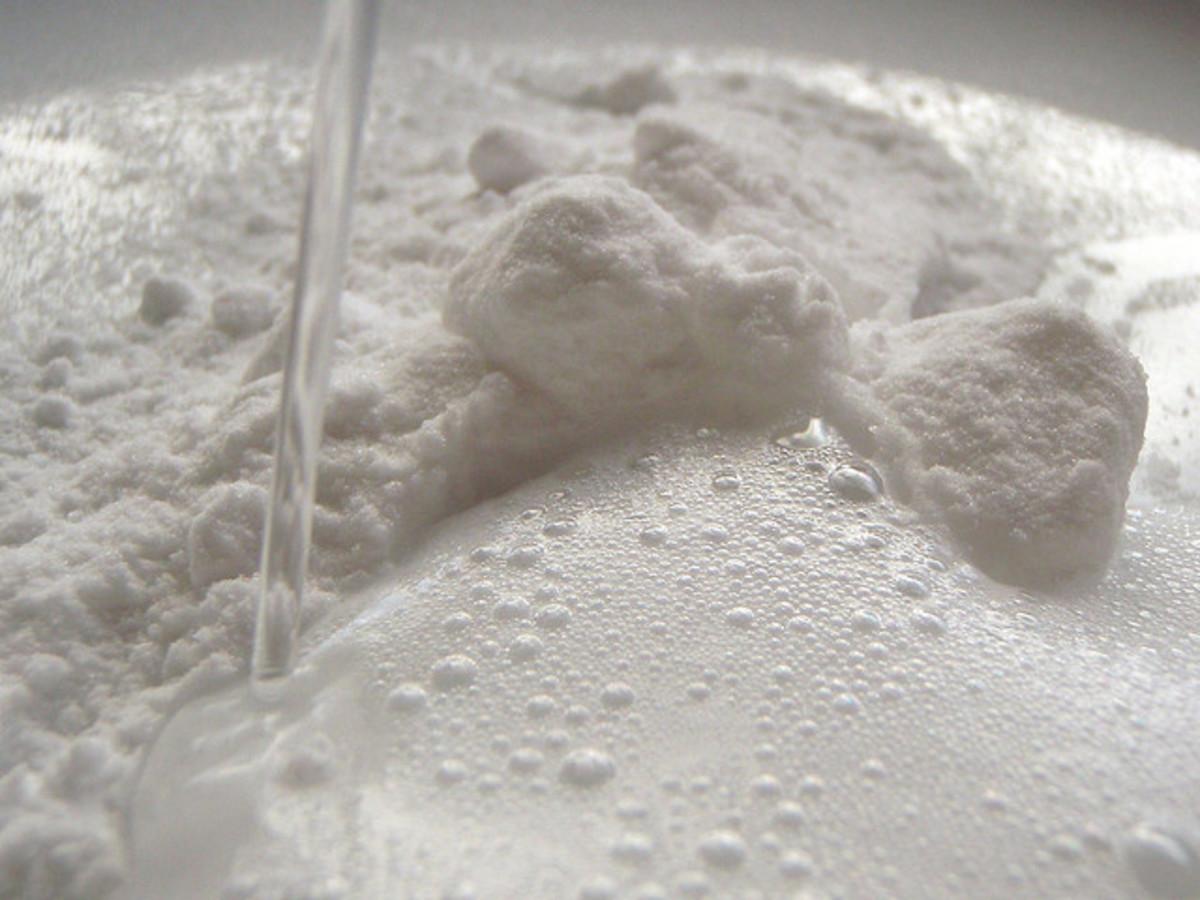
How to unclog a kitchen sink with baking soda and vinegar, step by step
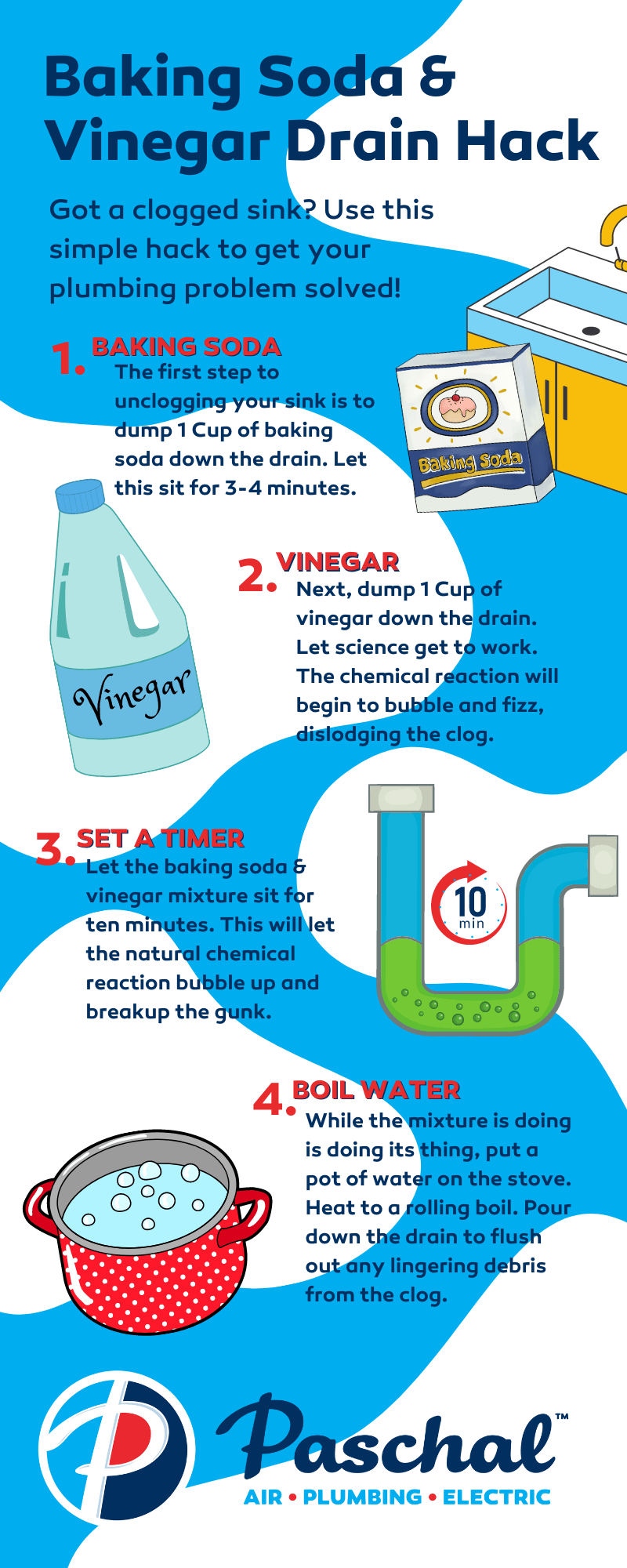
- Clear standing water. Scoop out any water sitting in the sink so the mixture can reach the clog.
- Pour in 1 cup of baking soda. Send it straight down the drain opening.
- Add 1 cup of white vinegar. Pour it in right after the baking soda and let the two fizz and work for 10 to 15 minutes.
- Flush with boiling water. Slowly pour a pot of boiling water down the drain to wash the loosened debris through your pipes.
If the sink drains normally after the boiling water, the clog is clear. If it is still slow, repeat the process one or two more times before moving on to another method.
Why baking soda and vinegar works
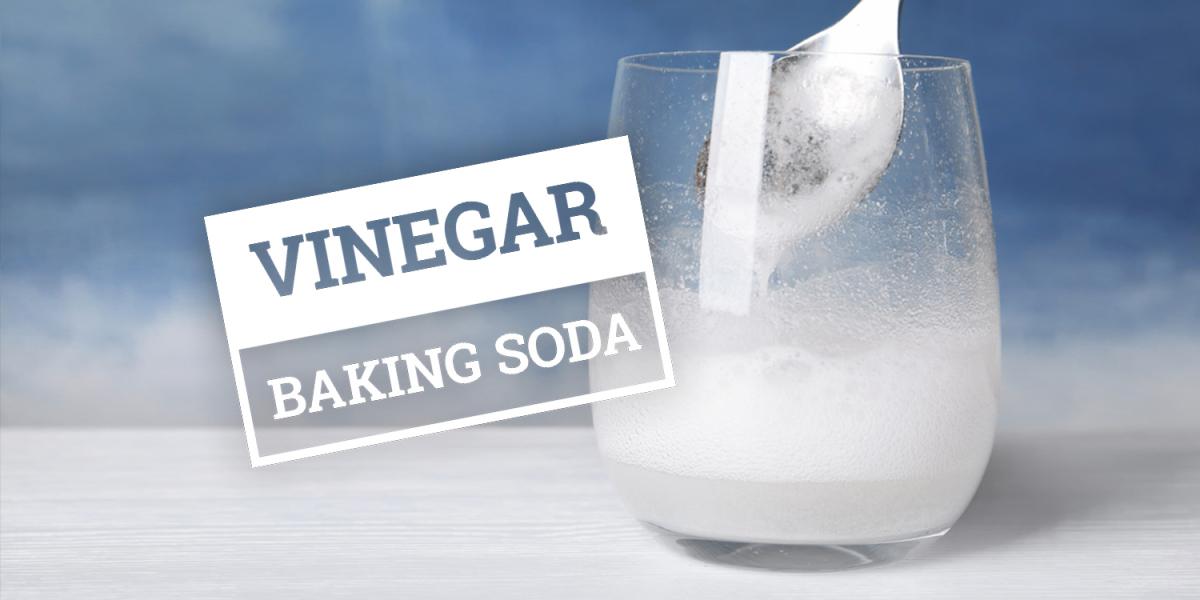
The baking soda and vinegar hack sounds like magic, but it is really just chemistry. Vinegar is a dilute acetic acid and baking soda is sodium bicarbonate. When the two mix, they create carbon dioxide gas that fizzes, foams, and bubbles, producing a natural scouring action that loosens buildup on the walls of your drain. Flushing with hot water then pushes the loosened debris through your pipes so water flows freely again.
Why it is a go-to drain hack
- It is affordable. You probably already have both ingredients, so it costs almost nothing. Running it every couple of months is cheap maintenance that helps prevent buildup and bigger repair bills later.
- It freshens a smelly sink. Baking soda helps neutralize the odor-causing bacteria and fungi that build up in a drain, so a routine treatment keeps your sink smelling clean.
- It is safe for your pipes. Unlike many harsh chemical drain cleaners, baking soda and vinegar are natural, non-toxic, and will not damage your PVC pipes or the environment.
What to do when baking soda and vinegar does not work
Some clogs are too stubborn or too deep for a natural treatment. If the sink is still slow after a couple of tries, step up to these:
- Use a sink plunger. A flat-bottom sink plunger creates suction to push a clog free. See our guide on the difference between a toilet plunger and a sink plunger.
- Try a drain snake. A drain snake reaches deeper clogs that a plunger cannot, hooking or breaking up compacted debris.
- Clean the P-trap. The curved pipe under the sink often catches grease and food. For the full walkthrough, see our 8 methods to unclog a sink.
- Check the garbage disposal. If your kitchen sink has a disposal, a jam there can look like a drain clog. Read why your garbage disposal keeps backing up.
How to prevent kitchen sink clogs
Preventing buildup is easier than clearing it. Keep grease, oil, coffee grounds, and starchy scraps like pasta and rice out of the drain, since they harden and trap other debris. Run hot water down the drain after doing dishes to keep grease moving, and give the drain a baking soda and vinegar treatment every couple of months as routine maintenance.
When to call a plumber
If the clog will not clear, comes back quickly, or more than one drain is slow at the same time, the problem may be deeper in your plumbing. A Paschal Pro has the tools, from motorized augers to hydro jetting, to clear stubborn blockages safely. Reach out for professional drain and plumbing service and we will get your sink flowing again.
Frequently Asked Questions
How do you unclog a kitchen sink with baking soda and vinegar?
Clear any standing water, pour 1 cup of baking soda down the drain, follow with 1 cup of white vinegar, let it fizz for 10 to 15 minutes, then flush with a pot of boiling water. Repeat once or twice if the drain is still slow.
How long should you leave baking soda and vinegar in a drain?
Let the mixture fizz and work for at least 10 to 15 minutes before flushing with boiling water. For a stubborn or greasy clog, you can let it sit longer, even overnight, then flush.
What ratio of baking soda to vinegar unclogs a drain?
A 1-to-1 ratio works well, about one cup of baking soda to one cup of white vinegar. Add the baking soda first, then the vinegar, so the fizzing reaction happens inside the drain.
Is baking soda and vinegar safe for pipes?
Yes. Baking soda and vinegar are natural and non-toxic and will not damage PVC or metal pipes, unlike many harsh chemical drain cleaners. That is why it is a good routine maintenance treatment.
Why does my kitchen sink keep clogging?
Grease, oil, coffee grounds, and starchy foods like pasta and rice are the most common causes, because they harden in the pipe and trap other debris. Keeping those out of the drain and flushing with hot water helps prevent clogs.
When should I call a plumber for a clogged kitchen sink?
Call a plumber if the clog will not clear after a few tries, keeps coming back, or if more than one drain is slow at once, which can signal a deeper main line issue.