

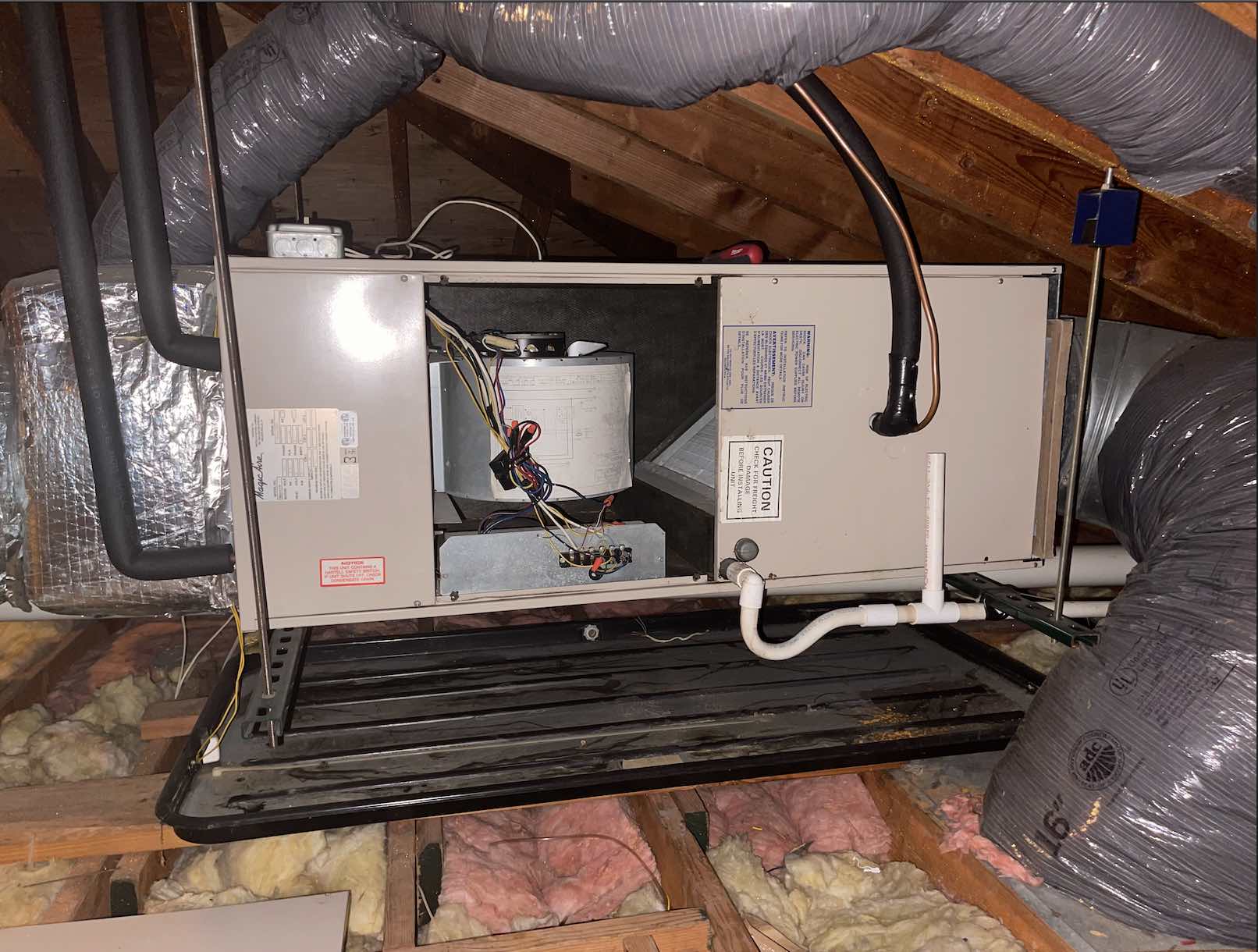
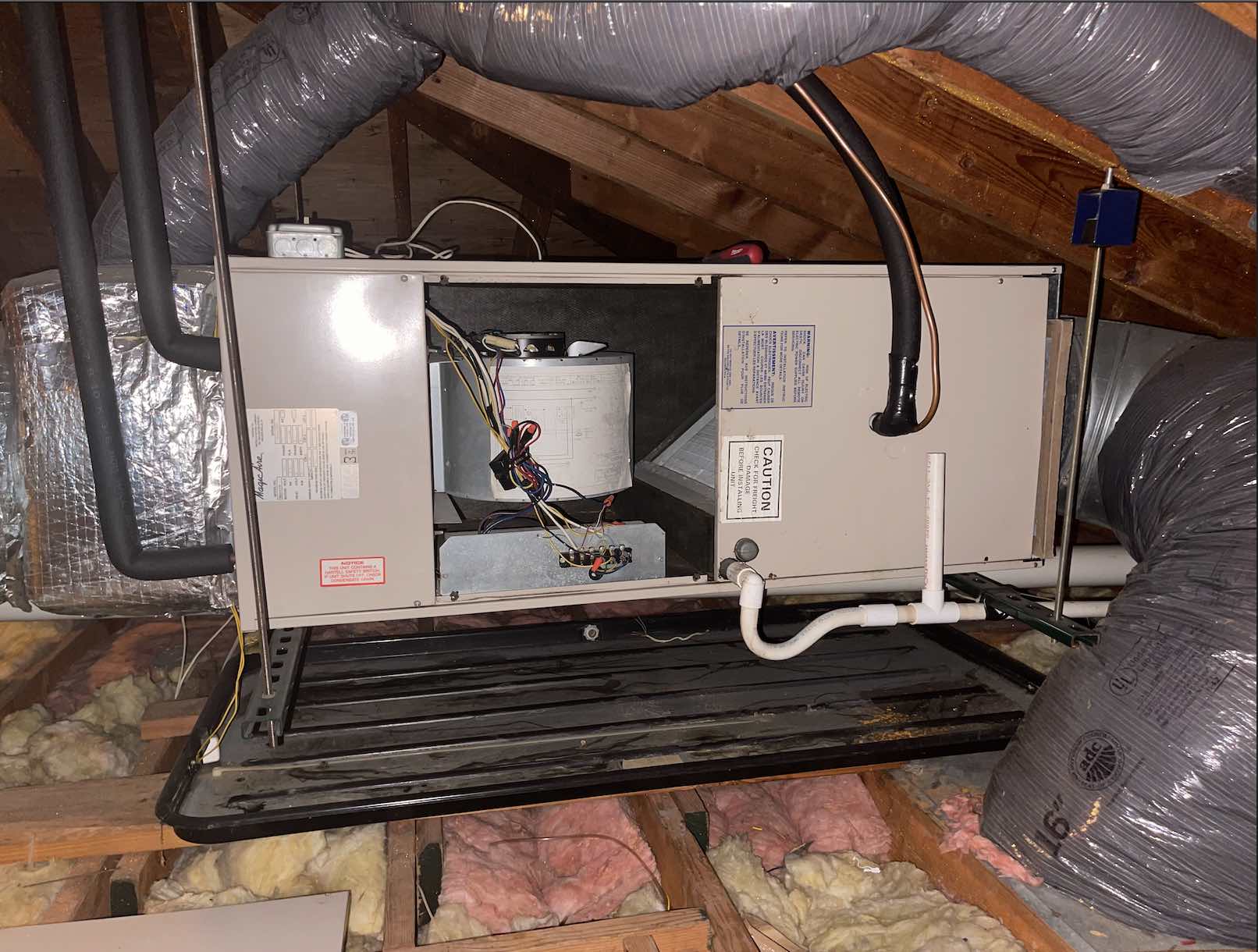
Understanding the Basics: What Is an Air Handler?
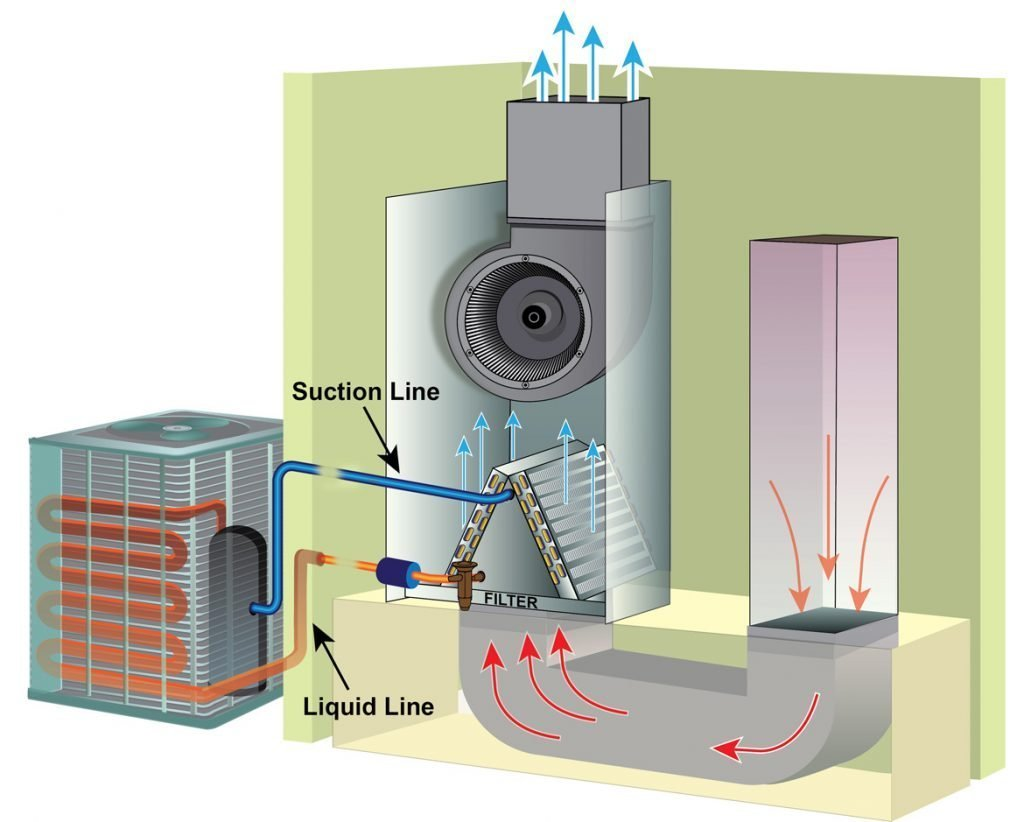
An air handler is a device that circulates conditioned air throughout your home. It works closely with your air conditioner or heat pump to distribute cool or heated air, and it contains several key components that contribute to heating, cooling, and circulation. Air handlers are usually located indoors, in the attic, basement, or a dedicated closet, connected to the ductwork running throughout your home.
The Key Components of an Air Handler
An air handler is more than a box that blows air. Each part plays a role in heating, cooling, or moving air.
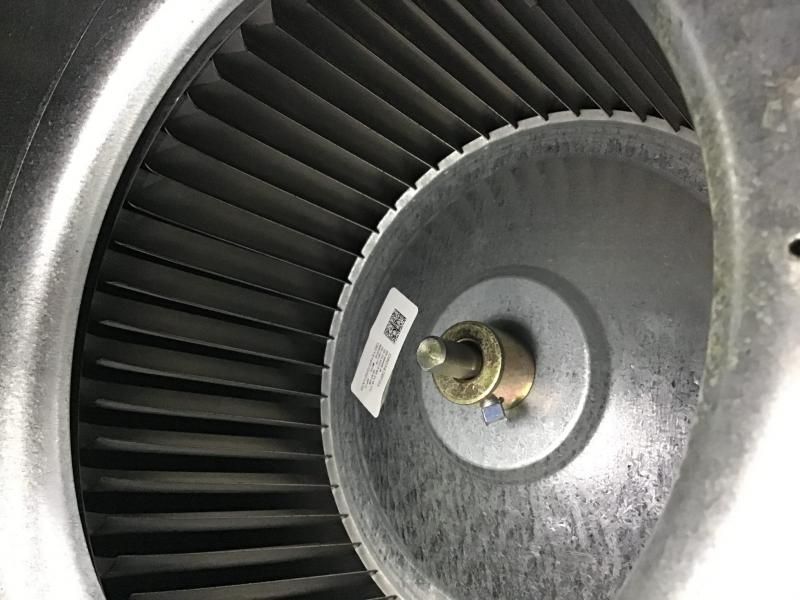
Blower / Fan
The blower circulates air throughout your home. It pulls in unconditioned air, pushes it through the other components, and forces the treated air back into your home through the ductwork. Some modern air handlers use variable-speed blowers, which fine-tune airflow for better comfort and energy efficiency.
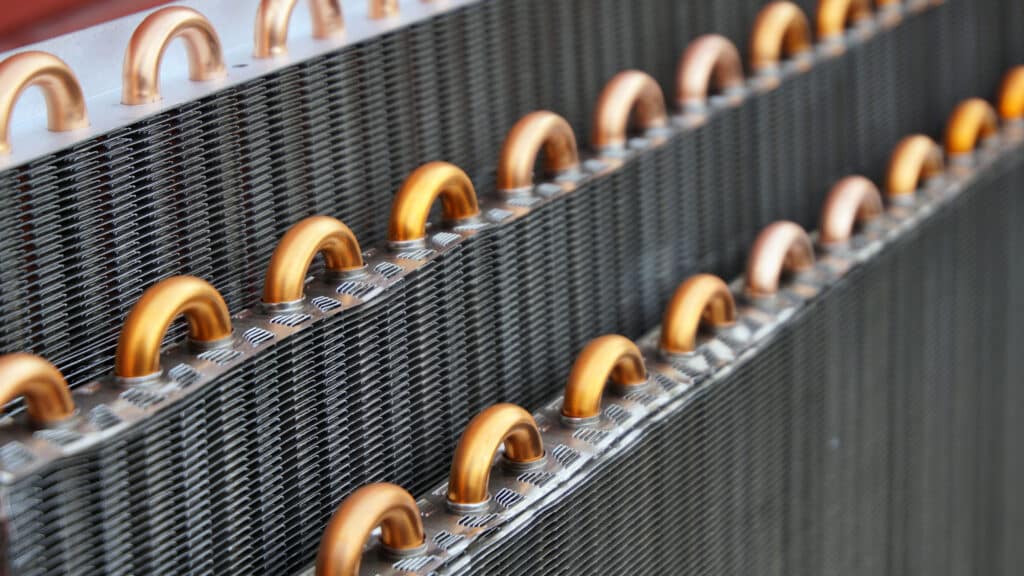
Evaporator Coil
When your system is cooling, refrigerant flows through the evaporator coil. Warm air from your home blows across the cold coil, the refrigerant absorbs the heat, and the cooled air circulates back into your home. As the warm air passes over the cold coil, it also loses moisture, which is the principle behind your air conditioner’s dehumidifying effect.
Heating Elements
In heating mode, electric heating elements or heat strips warm the air as it passes over them. Not all air handlers have heating elements. It depends on your system type and whether you have a separate furnace.
Air Filter
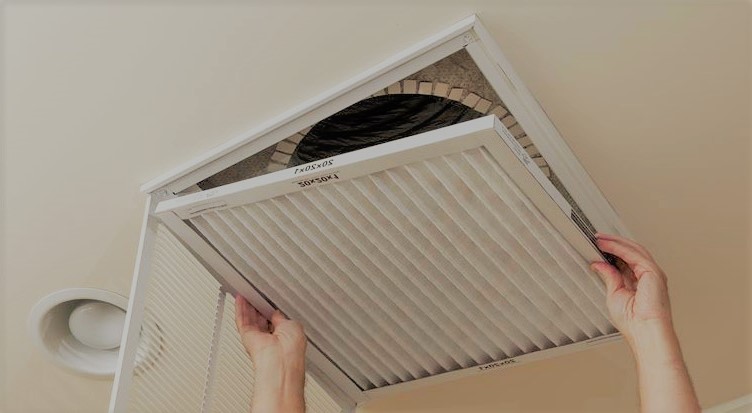
Air filters remove dust, pollen, and other contaminants. Clean filters improve air quality and prevent buildup that reduces efficiency. Check filters monthly and replace at least every three months.
Dampers
Dampers are adjustable plates that control the flow of air within the ductwork. By opening and closing, they control the volume and direction of air, helping balance conditioned air to different areas of your home.
How Does an Air Handler Work?
Whether your system is heating, cooling, or just circulating air, the general steps stay the same:
- Intake: The blower draws in unconditioned air through the return ducts.
- Filtration: Air passes through the filter to remove dust, pollen, and pet dander.
- Conditioning: The air is cooled by the evaporator coil or heated by the elements.
- Distribution: Conditioned air flows back into your home through the ductwork, balanced by the dampers.
Different Types of Air Handlers
Residential Air Handlers
Designed for homes and small commercial spaces, these are compact and usually paired with an AC or heat pump.
Commercial Air Handlers
Larger units used in office buildings, factories, or large spaces. Some include humidifiers or economizers.
Make-Up Air Units
Used in restaurants, labs, and healthcare facilities, these condition and replace air with fresh outdoor air to control odors and humidity.
Why Air Handlers Matter in HVAC Systems
The air handler is the heart of your HVAC system, circulating conditioned air throughout your home. Without one working properly, your system struggles to keep a comfortable indoor climate.
- Improved comfort: maintains consistent temperature and humidity.
- Better air quality: filters airborne particles for cleaner indoor air.
- Energy efficiency: proper airflow and conditioning reduce energy costs.
Common Problems With Air Handlers and Solutions
Clogged Air Filters
The most common issue is a clogged air filter. Dust builds up and restricts airflow, which reduces efficiency and can even cause ice to form on the evaporator coil. Regularly check and replace your filter, monthly is a good rule, and stay on top of seasonal maintenance.
Faulty Blower Motor
If the blower motor fails, the air handler cannot circulate air, leaving your home uncomfortable. Signs include unusual noises, poor airflow, or a system that runs continuously. A faulty blower motor needs professional attention, so contact a trusted HVAC service provider to diagnose and fix it.
Leaky Ducts
Leaky ducts let conditioned air escape, so your system works harder to hold the temperature. Regular inspections help detect and seal leaks. Have your ducts professionally inspected at least once a year.
Frozen Evaporator Coil
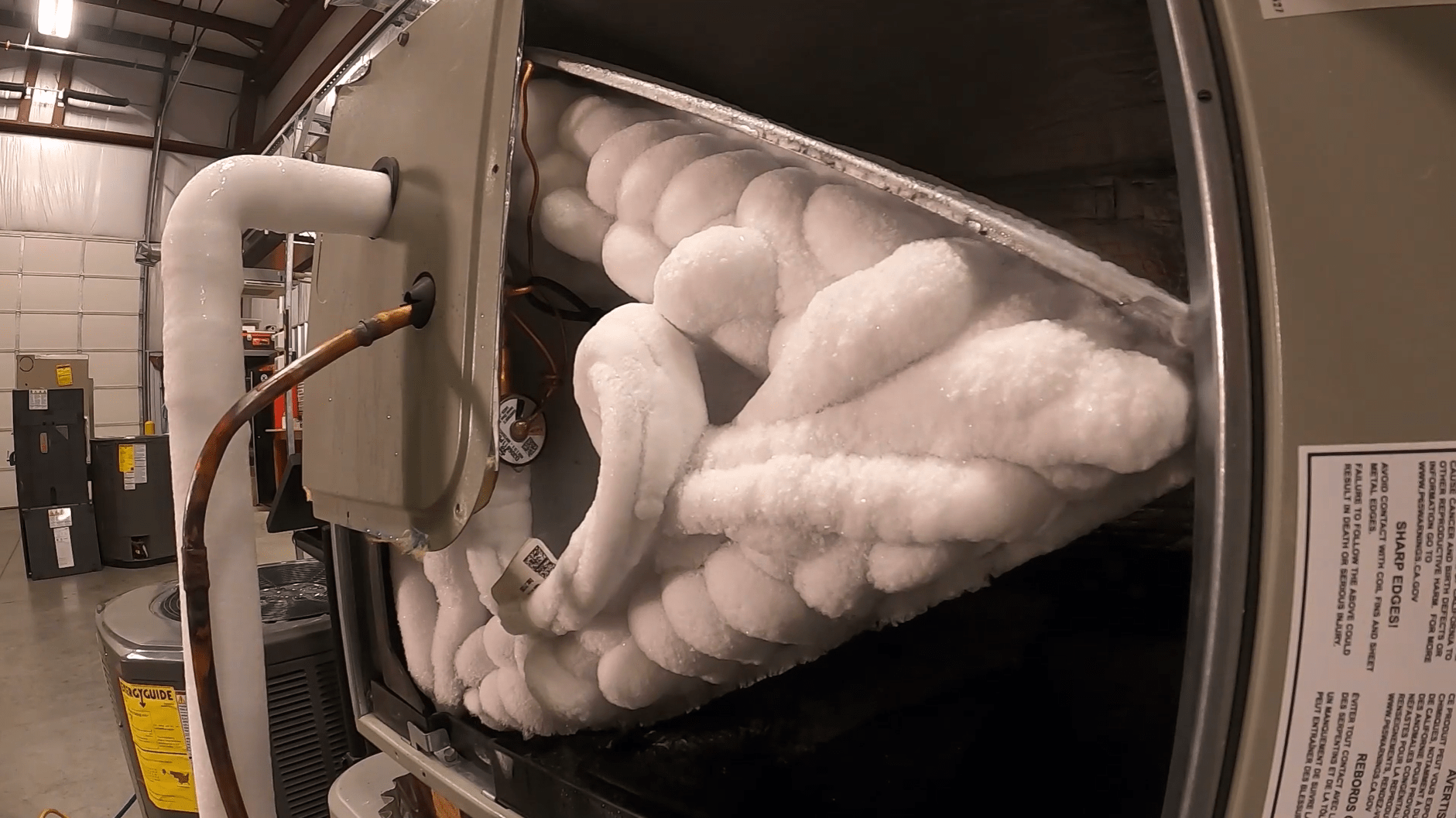
If the evaporator coil freezes, it cannot cool the air, which leads to poor performance and possible breakdowns. This usually happens with insufficient airflow, such as a dirty filter, or low refrigerant. Change your filter regularly and have the system serviced annually. If you see ice on the coil, turn off the system and see our guide on a frozen AC unit.
Maintenance Tips for Air Handlers
- Change the filter regularly, check monthly and replace every three months.
- Schedule annual professional inspections.
- Keep the area around the air handler clean.
- Listen for rattling, buzzing, or squealing and call a professional if you hear it.
Frequently Asked Questions
Where is the air handler located?
Usually inside the home, in the attic, basement, or a dedicated closet, connected to the ductwork that runs throughout your home.
What is the difference between an air handler and a furnace?
An air handler circulates conditioned air and pairs with an air conditioner or heat pump, heating only with electric elements if at all. A furnace actively produces heat by burning gas or using electric heat. Homes typically have one or the other, depending on the system.
What are the signs of a bad air handler?
Weak or uneven airflow, rattling or squealing noises, higher energy bills, short cycling, or ice forming on the coil. Any of these is worth having a Paschal Pro inspect before it becomes a larger repair.
Can I use my HVAC system if the air handler is not working?
No. Without a functioning air handler, your system cannot circulate air properly, which leads to uneven temperatures and poor comfort.
How often should I replace the air filter?
Check it monthly and replace at least every three months, more often if you have pets or allergies. A clogged filter is the most common cause of air handler problems.
How long does an air handler last?
With proper maintenance, about 10 to 15 years, depending on the quality of the unit, how it is used, and how well it is maintained.
Contact the Professionals at Paschal
Understanding your air handler is key to keeping your home comfortable year-round. If you notice weak airflow, strange noises, or any other issues, our team is here to help. Call (479) 900-0784 to schedule professional air handler service.