Want to save with Paschal? Don’t miss our current offers and specials

Want to save with Paschal? Don’t miss our current offers and specials

Want to save with Paschal? Don’t miss our current offers and specials
Return to Paschal Resource & Education Hub
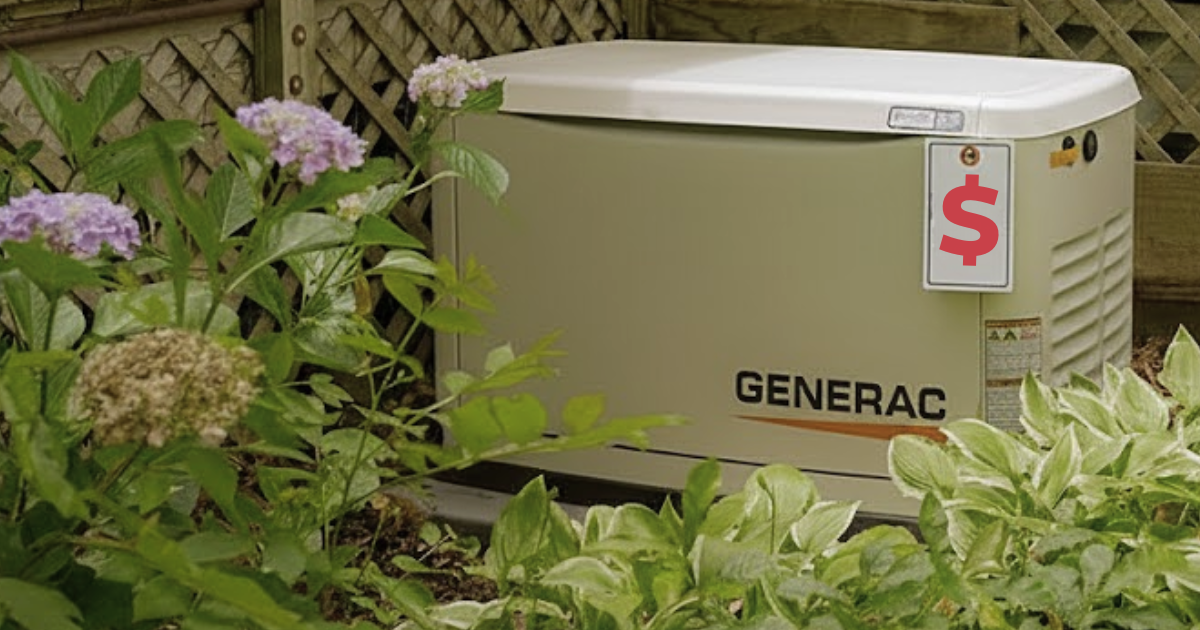
Searching for a whole-house generator online can feel straightforward. You see a price, compare a few models, and start picturing your home powered during the next outage. The problem is that most online prices only reflect the generator unit itself, not the full installation required to make it safe and reliable.
A whole-home generator is not just a product. It is a complete backup power system that must be properly sized, installed, permitted, and connected to your home’s electrical and fuel systems. If you are only looking at the sticker price, you are only seeing part of the investment. At Paschal, we help homeowners look beyond the sticker price so they understand the full investment required for safe, reliable backup power, without hidden surprises later.
The total pricing for a whole-house generator includes much more than the standby generator sitting outside your home. A safe and dependable setup requires the right equipment, professional labor, and careful planning.
Every home is different. The size of your electrical service, the layout of your property, and your fuel source all play a role in determining the final cost. When we provide a quote, it reflects a complete power solution designed specifically for your home. At Paschal, every generator estimate includes a full evaluation of your electrical panel, fuel source, property layout, and local code requirements so your system is sized correctly and installed safely from day one.
The most common surprise for homeowners is the gap between the generator’s purchase price and the total installation cost.
The online price usually covers only the standby generator unit. A proper generator installation also includes:
| Cost Component | Description |
|---|---|
| Generator Unit | The price of the machine itself varies by size and brand. |
| Transfer Switch | Allows for a smooth, automatic switch from utility power to backup power. |
| Labor | Professional installation by certified technicians to ensure safety and reliability. |
| Site Preparation | May include a concrete pad and preparing the area for the unit. |
| Permits | Local permits are often required for permanent generator installations. |
The transfer switch is especially important. Without it, your generator cannot safely power your home or be isolated from the utility grid. Professional installation ensures your system works exactly as it should the moment utility power fails.
On average, a complete installation including the generator, transfer switch, labor, site preparation, and permits can range from $6,000 to $15,000+, depending on size and complexity. A clear, detailed quote helps you understand exactly what is included, so there are no surprises later.
Generator capacity, measured in kilowatts or kW, is one of the biggest factors affecting pricing. Choosing the right size generator ensures your essential appliances and systems have the backup power they need.
A smaller unit may cover a refrigerator, lights, and a few circuits. A larger system can keep your HVAC system, water heater, kitchen appliances, and electronics running smoothly during an outage.
Here is a general breakdown of capacity and coverage:
Brand also plays a role. Established manufacturers such as Generac offer a wide range of standby generator options with varying features, warranties, and capacities. Pricing often reflects build quality, reliability, and advanced features. The key is matching the generator to your home’s actual power needs, not just choosing based on the lowest number online.
Beyond size and brand, several additional factors influence your total investment. Fuel type, site conditions, and local code requirements all shape the final pricing.
A professional evaluation takes these details into account so your system is efficient, code-compliant, and ready to perform when you need it most.
Fuel type significantly impacts both upfront installation costs and long-term running expenses. The right option depends on availability, convenience, and your goals for reliability.
The most common fuel types include:
If your home already has natural gas service, connecting to that line may reduce additional infrastructure costs. Propane systems require tank placement and coordination with a fuel supplier. Each option affects installation complexity, efficiency, and operating expenses over time.
We walk homeowners through these choices carefully so there is a clear understanding of both short-term and long-term costs.
Proper site preparation is critical for a safe and durable generator installation. The unit must sit on a stable, level surface with adequate drainage and required clearances for airflow and maintenance.
Preparation may include pouring a concrete pad or installing a compacted gravel base. Placement also affects cost. Installing the generator closer to your electric meter and fuel source can reduce trenching and wiring expenses.
Most municipalities require permits for permanent standby generator installations. Permit fees typically range from $50 to $200, depending on local regulations. Inspections ensure the installation meets safety codes and protects your home and the utility grid.
Handling permits and code compliance is not optional. It is a vital part of ensuring your generator works safely and reliably for years to come.
A whole-home generator is a long-term investment, and like any mechanical system, it requires ongoing care. Planning for these expenses protects your system and gives you confidence when storms roll in.
Routine maintenance keeps your generator ready for the next power outage. Annual service visits typically include:
Regular service helps prevent unexpected breakdowns and ensures critical systems such as your HVAC system or sump pump have dependable backup power.
Consistent maintenance is one of the most important factors in extending the life of your standby generator.
Fuel prices vary by region, which directly impacts the cost of running your generator. Natural gas rates may be lower in areas with strong infrastructure, while propane and diesel costs fluctuate based on supply and demand.
Regional differences also affect labor rates and permit fees. A local consultation provides a more accurate estimate tailored to your area, your fuel source, and your home’s specific setup.
Understanding these regional factors helps you budget realistically for long-term operation.
If you’re ready to protect your home with dependable backup power, schedule a generator consultation with a Paschal professional today. Our team will walk you through sizing, fuel options, installation details, and financing — so you can make a confident, informed decision. Reliable power starts with the right plan.
Yes, you can purchase a standby generator from a home improvement store. However, these stores typically only sell the unit itself. You will still need a licensed professional for the installation to ensure it’s connected safely and correctly to power your essential appliances.
At Paschal, we offer flexible financing options to make investing in a whole-home generator more manageable. Our team can walk you through available plans and help you choose an option that fits comfortably within your budget. Click here to learn more about our financing options.
If you experience frequent outages, work from home, or rely on powered medical devices, a whole-home generator is more than a convenience — it’s protection. It keeps essential appliances, HVAC systems, and security equipment running when the grid goes down. At Paschal, we help you choose the right size system so you can protect your comfort, safety, and peace of mind without overspending.

© 2026 Paschal Air, Plumbing & Electric. All rights Reserved. ARHVACR: 1448550 . ARPlumb: MP6860 . ARElec: M-11071 . ARContractor: 031664 . TXHVACR: TACLA129951E . TXPlumb: M-44920 . TXElec: TECL38435 . OKHVACR: 068145 . OKPlumb: 082277 . OKElec: 00227101 . Texas Department of Licensing and Regulations, PO Box 12157, Austin TX 78711 (512) 463-6599 . The Texas State Board of Plumbing Examiners, PO Box 4200, Austin TX 78765 (512) 936-5200 . Plumbing: #M-44920 RMP Joshua Gross