
Common Causes of Bathroom Sink Clogs
Knowing what is clogging your sink helps you choose the right method to clear it. The most common culprits include:
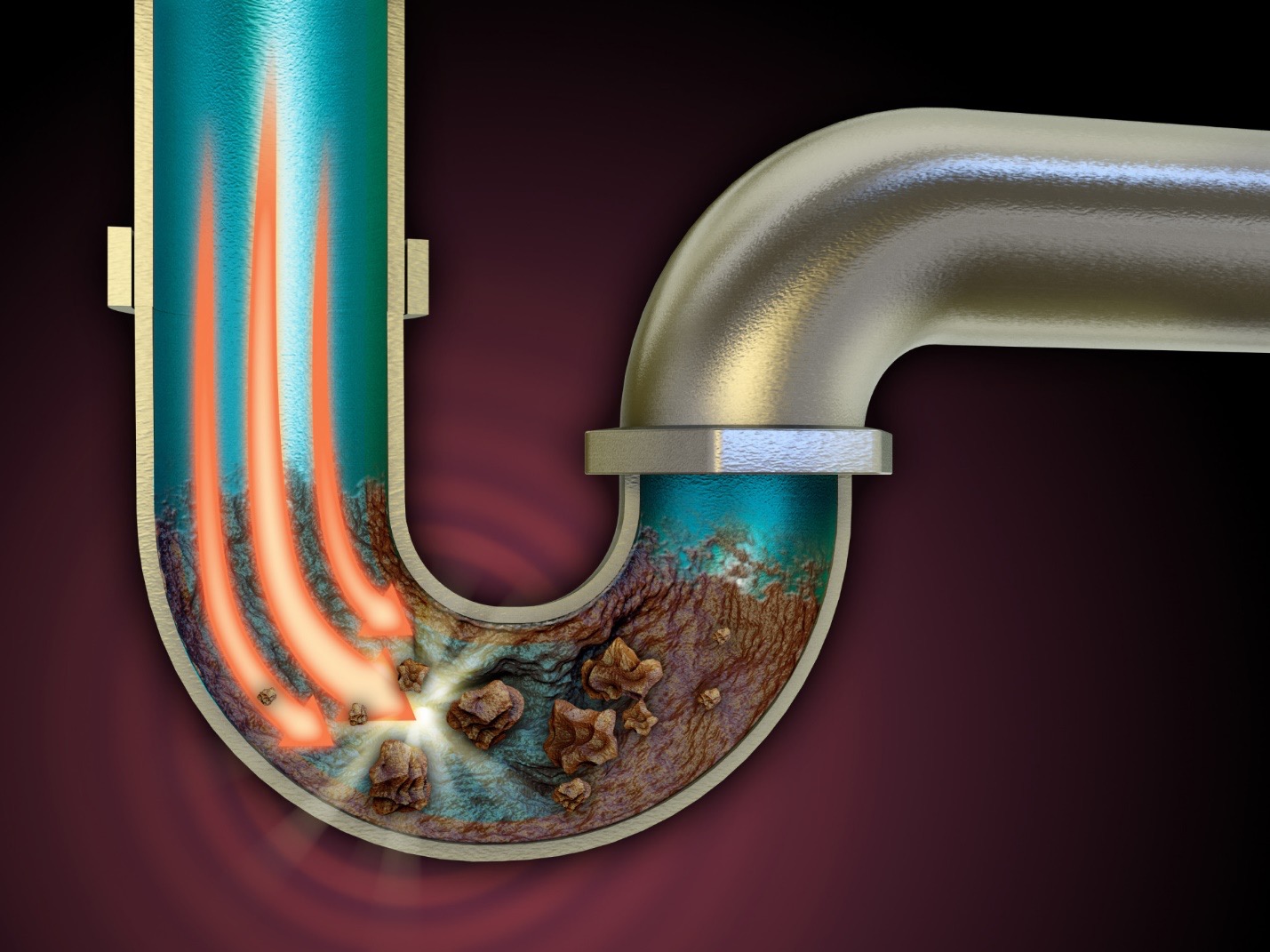
- Soap scum that builds up over time, especially with hard water.
- Hair that traps debris and binds with soap scum.
- Hygiene and grooming products like toothpaste, lotion, and shaving cream.
- Damaged pipes or P-trap where old or cracked pipes catch debris.
- Main line clog, a bigger plumbing issue beyond your sink.
- Oil or grease, sometimes from rinsing oily items in the sink.
8 Ways to Unclog a Bathroom Sink
Always start with the gentlest method first to avoid damaging your pipes.
1. Enzymatic Drain Cleaners
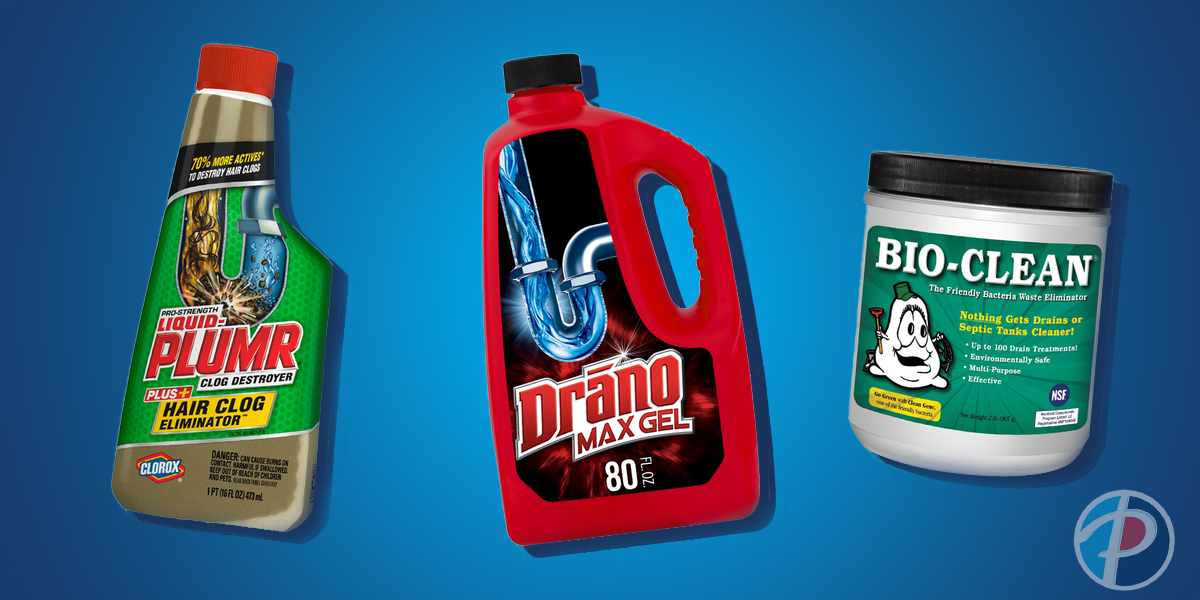
Enzymatic drain cleaners use natural bacteria and enzymes to break down organic clogs like hair, soap scum, and food waste. They are a safer alternative to chemical cleaners because they will not damage pipes or release harmful fumes. This method works best for mild or slow clogs.
What you’ll need: enzymatic drain cleaner (safe for bathroom sinks), measuring cup, warm water (optional), rubber gloves.
Steps:
- Read the product label for the specific directions.
- Put on rubber gloves.
- Measure the recommended amount.
- Pour the cleaner directly into the drain.
- Let it sit for the listed time, often overnight for best results.
- Rinse with warm water to flush away debris.
2. Baking Soda and Vinegar
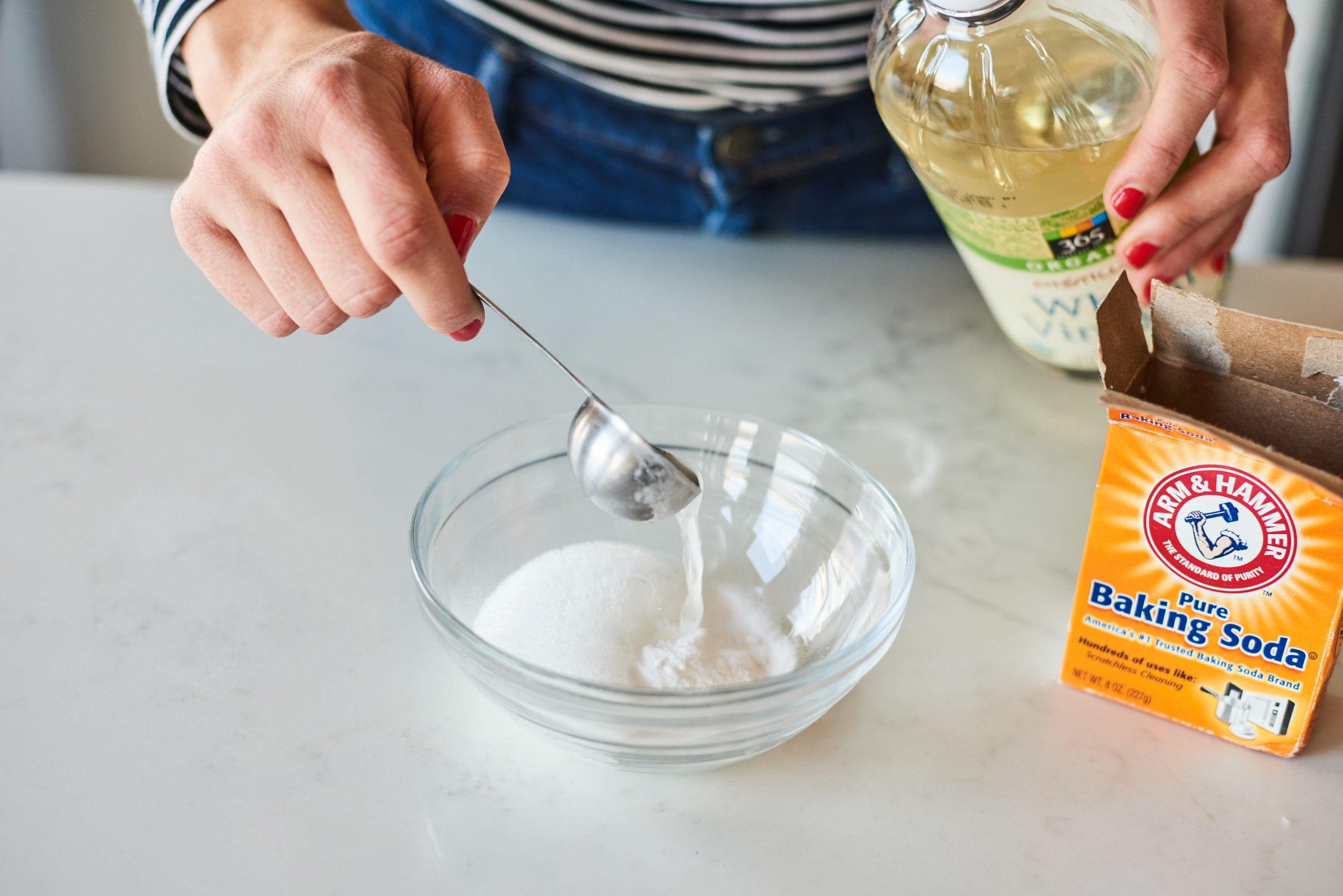
Baking soda and vinegar create a fizzing reaction that loosens soap scum, grease, and minor hair clogs. It is a low-cost, chemical-free option that works best for light clogs or preventative maintenance.
What you’ll need: 1/3 cup baking soda, 1/3 cup vinegar, measuring cup, hot water.
Steps:
- Remove standing water to expose the drain opening.
- Pour 1/3 cup of baking soda into the drain.
- Immediately pour 1/3 cup of vinegar in after it.
- Let the mixture fizz and sit for at least one hour.
- Flush with hot water to wash away loosened debris.
3. Unclogging with a Plunger
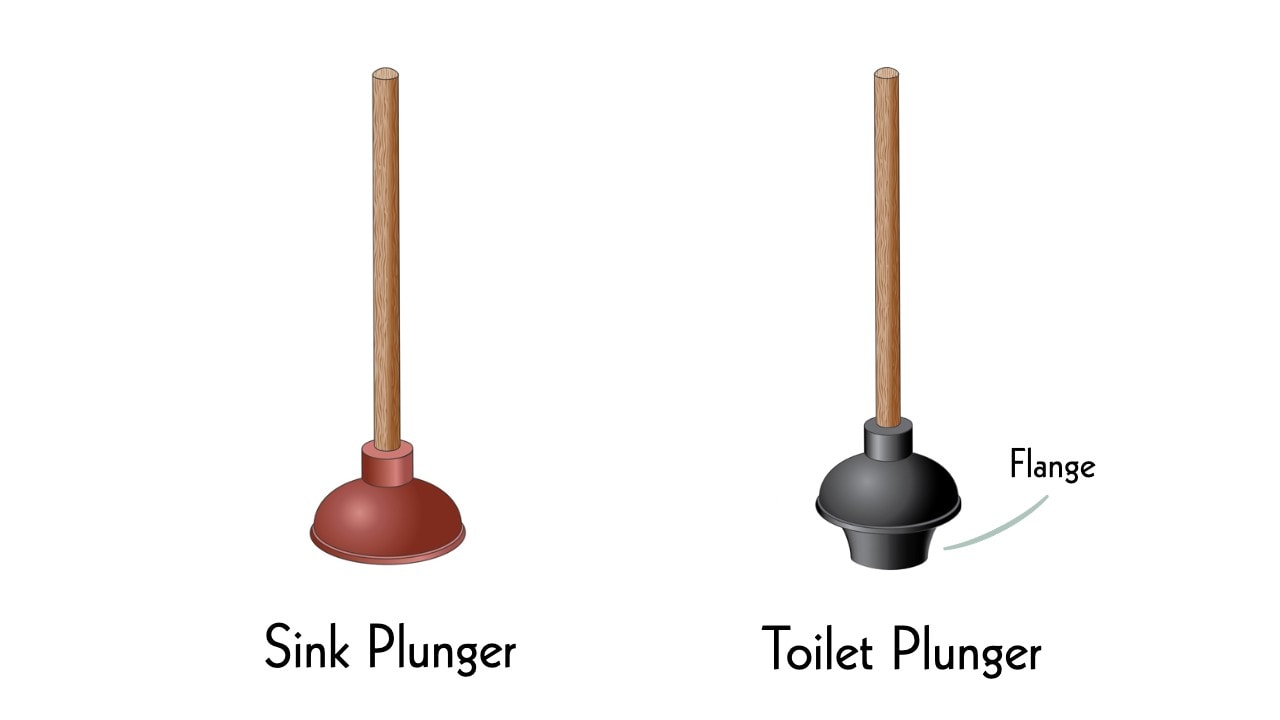
A sink plunger uses suction and pressure to dislodge clogs caused by hair, soap, or small debris. Unlike toilet plungers, sink plungers have a flat bottom for a better seal on sink drains.
What you’ll need: flat-bottom sink plunger, rubber gloves, bucket or towels.
Steps:
- Remove any sink stopper for better access.
- Place the plunger over the drain to form a tight seal.
- Push down and pull up quickly several times to create suction.
- Lift the plunger to check if the water drains.
- Repeat if needed, then clean up any debris that surfaces.
4. Boiling Water
Boiling water helps dissolve and flush away soap scum and grease. It is safe for metal pipes but can damage PVC or plastic pipes if used repeatedly.
What you’ll need: large pot, stove or kettle.
Steps:
- Heat a large pot of water to a rolling boil.
- Carefully pour it into the drain in slow, steady stages.
- Wait a few seconds between pours to let the heat work.
- Repeat two to three times if needed.
5. Drain Snake
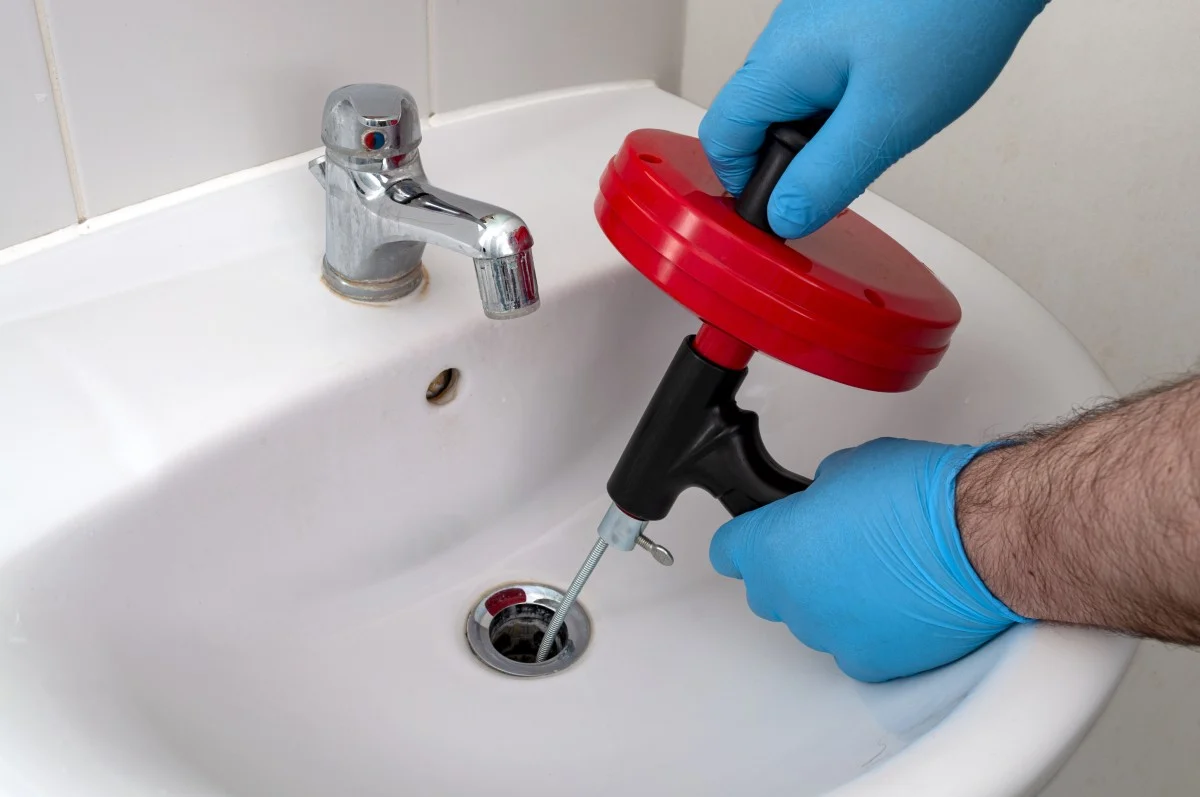
A drain snake, or plumber’s auger, is a coiled metal cable that breaks up or pulls out clogs deep inside pipes. It works well for hair clogs and compacted debris.
What you’ll need: drain snake, bucket, rubber gloves.
Steps:
- Remove the sink stopper to access the drain.
- Insert the snake and turn the handle to feed it through the pipe.
- When you feel resistance, rotate the snake to break up or hook the clog.
- Pull the snake out slowly, bringing the clog with it if possible.
- Dispose of debris into a bucket and rinse the drain.
A quick caution: drain snakes are not suited to every clog. Very hard obstructions or clogs deep in the main sewer line may need professional tools, and the force can damage older or fragile pipes. If a clog is too stubborn or you are unsure, it is best to call a professional.
6. Wet/Dry Vacuum
A wet/dry vacuum can create strong suction to pull out clogs close to the drain opening. This works best for shallow clogs when water is not draining at all.
What you’ll need: wet/dry vacuum, rubber gloves, old plunger head or cloth for a seal.
Steps:
- Set the vacuum to liquid mode per the manufacturer’s instructions.
- Position the hose over the drain opening.
- Create a tight seal with an old plunger head or damp cloth.
- Run the vacuum on its highest setting for several seconds.
- Turn it off, remove the hose, and check if the drain is clear.
7. Clean the P-Trap
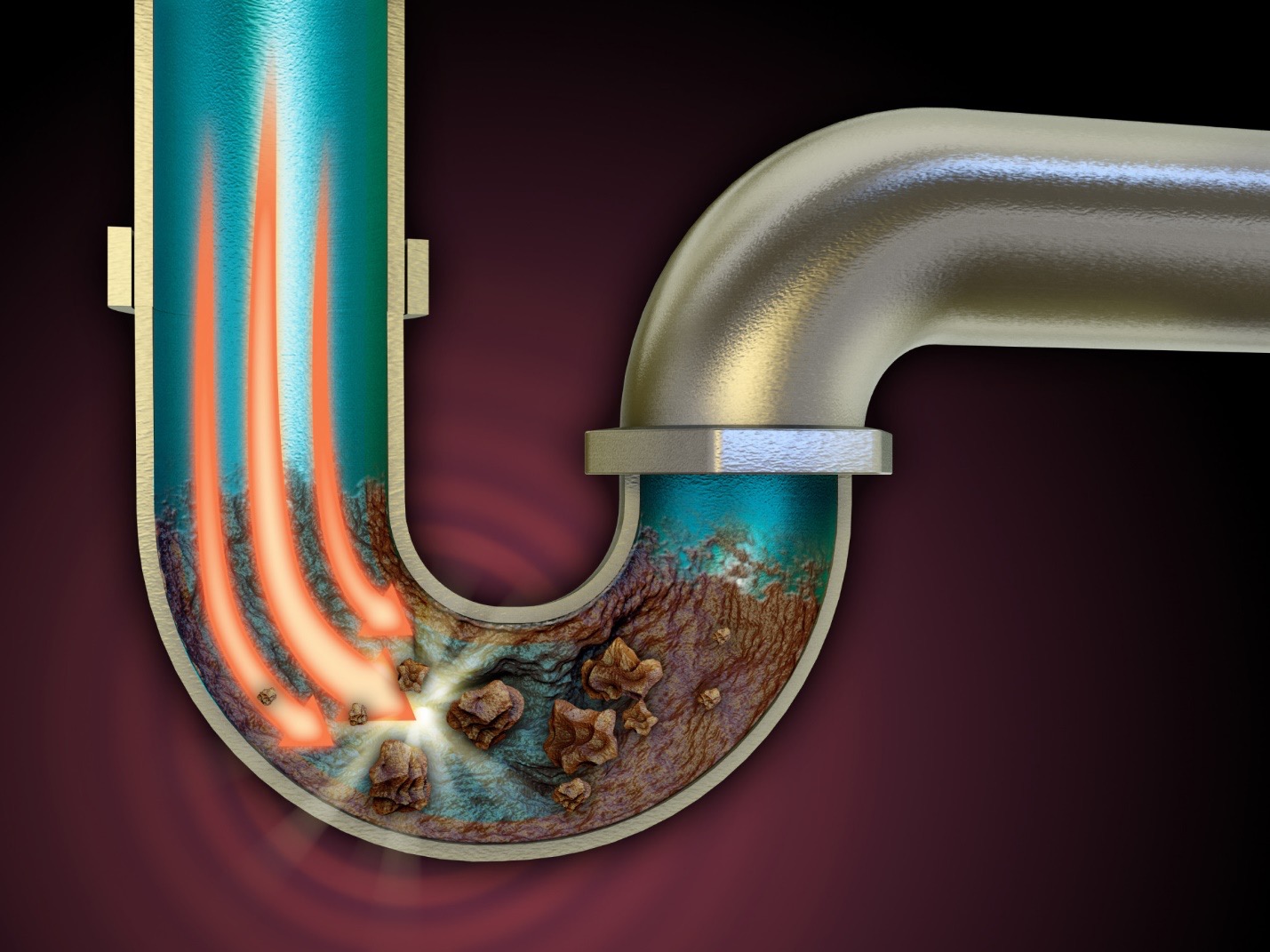
The P-trap is the curved pipe under the sink that catches debris and blocks sewer gases. Hair, soap, and other debris often collect here.
What you’ll need: adjustable wrench, bucket, rubber gloves.
Steps:
- Place a bucket under the P-trap to catch water.
- Loosen the slip nuts on both ends of the trap.
- Remove the trap and empty debris into the bucket.
- Rinse the trap before reinstalling it.
- Tighten the slip nuts and run water to check for leaks.
8. Call a Local Plumber
If none of these clear the clog, the issue may be deeper in your plumbing. Professional plumbers have advanced tools like hydro jetters and motorized augers to remove stubborn blockages. For a stubborn kitchen clog, see our guide on how to unclog a kitchen sink with baking soda and vinegar. Paschal Air, Plumbing & Electric offers expert drain cleaning service to quickly and safely restore flow to your sink.
Frequently Asked Questions
What is the fastest way to unclog a bathroom sink?
For most clogs, start with a sink plunger or a baking soda and vinegar treatment flushed with boiling water. For a hair clog deeper in the pipe, a drain snake or removing and cleaning the P-trap clears it fastest. Always begin with the gentlest method to avoid damaging your pipes.
Why is my bathroom sink draining slowly?
Slow drainage is usually early-stage buildup of hair, soap scum, toothpaste, and grooming products coating the inside of the drainpipe. Clearing it early keeps it from hardening into a full blockage.
How do I know if my bathroom sink clog is serious?
If multiple drains are slow or clogged at the same time, or water backs up when you run another fixture, the issue may be in the main line rather than the sink. That calls for a professional plumber.
Can I use chemical drain cleaners?
They can work, but frequent use can corrode and damage pipes over time. Enzymatic cleaners are a safer, pipe-friendly alternative for organic clogs like hair and soap scum.
Why does my bathroom sink keep clogging?
Hair, soap scum, and hygiene products are the most common causes, and they build back up quickly. Using a drain screen and a baking soda and vinegar treatment every couple of months helps prevent repeat clogs.
How do I clean the P-trap under my sink?
Place a bucket under the trap, loosen the slip nuts on both ends with a wrench, remove the trap, empty and rinse it, then reinstall and run water to check for leaks.