

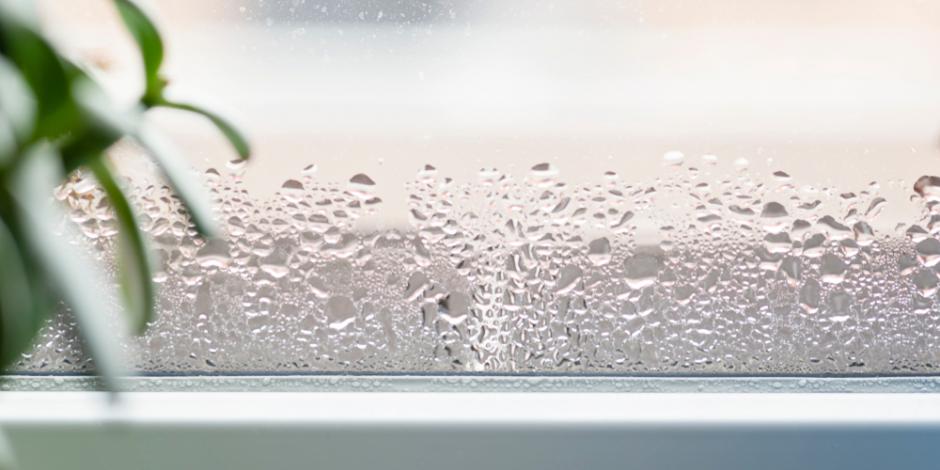
Why your AC affects humidity in the first place
Your air conditioner does two jobs at once: it cools the air, and it pulls moisture out of it. As warm, humid air blows across the cold indoor coil, water condenses on the coil and drains away, which is how your AC dehumidifies. On a very humid day, an older or undersized system can spend so much of its capacity fighting moisture that the house still feels muggy even when the thermostat says it hit the set temperature.
A system that is too large for the home can make humidity worse, not better. An oversized AC cools the air quickly and shuts off before it runs long enough to wring much moisture out, a pattern called short cycling. That is why “bigger” is not better with air conditioning, and why proper sizing matters as much as the equipment itself.
Quick ways to reduce humidity in your house
Before you change equipment, these steps reduce humidity indoors and help keep your home dry and cool through the summer.
- Improve ventilation. Run exhaust fans in the bathroom and kitchen, and open windows on dry days, to move humid air out and lower humidity levels.
- Use a dehumidifier. Portable or whole-home dehumidifiers pull moisture from the air and hold humidity levels in a comfortable range.
- Fix the source. Seal leaks, route gutters away from the foundation, and keep crawl spaces sealed so outdoor moisture is not the source of high humidity indoors.
- Run the AC. A well-maintained air conditioner removes humidity as it cools, so keeping the HVAC system in good shape is one of the simplest ways to reduce humidity.
- Watch problem surfaces. Wipe condensation off windows and cool surfaces, and address damp spots quickly to prevent mold growth.
Keeping indoor humidity in the 30 to 50 percent range keeps the home comfortable and helps prevent mold, musty odors, and damage. If high humidity sticks around after these steps, the issue is usually your HVAC system, and that is where managing, adding a dehumidifier, or upgrading comes in.
How to reduce humidity in your house with your current system
Before you replace anything, here are simple ways to reduce humidity in your house using the system you already have:
- Keep up with maintenance. A dirty coil or clogged filter cuts how much moisture the system can remove. Clean coils and fresh filters help the AC dehumidify the way it should.
- Set the fan to AUTO, not ON. Running the fan constantly can blow moisture that collected on the coil back into your home. AUTO lets the moisture drain away between cycles.
- Run bath and kitchen exhaust fans. Showering and cooking add a surprising amount of moisture. Venting it outside keeps it off your AC’s workload.
- Close the house during the day. Open windows and doors let humid outdoor air back in, and your system has to start over.
If your home still feels damp after all of that, the system has reached its limit and it is time to add equipment or upgrade.
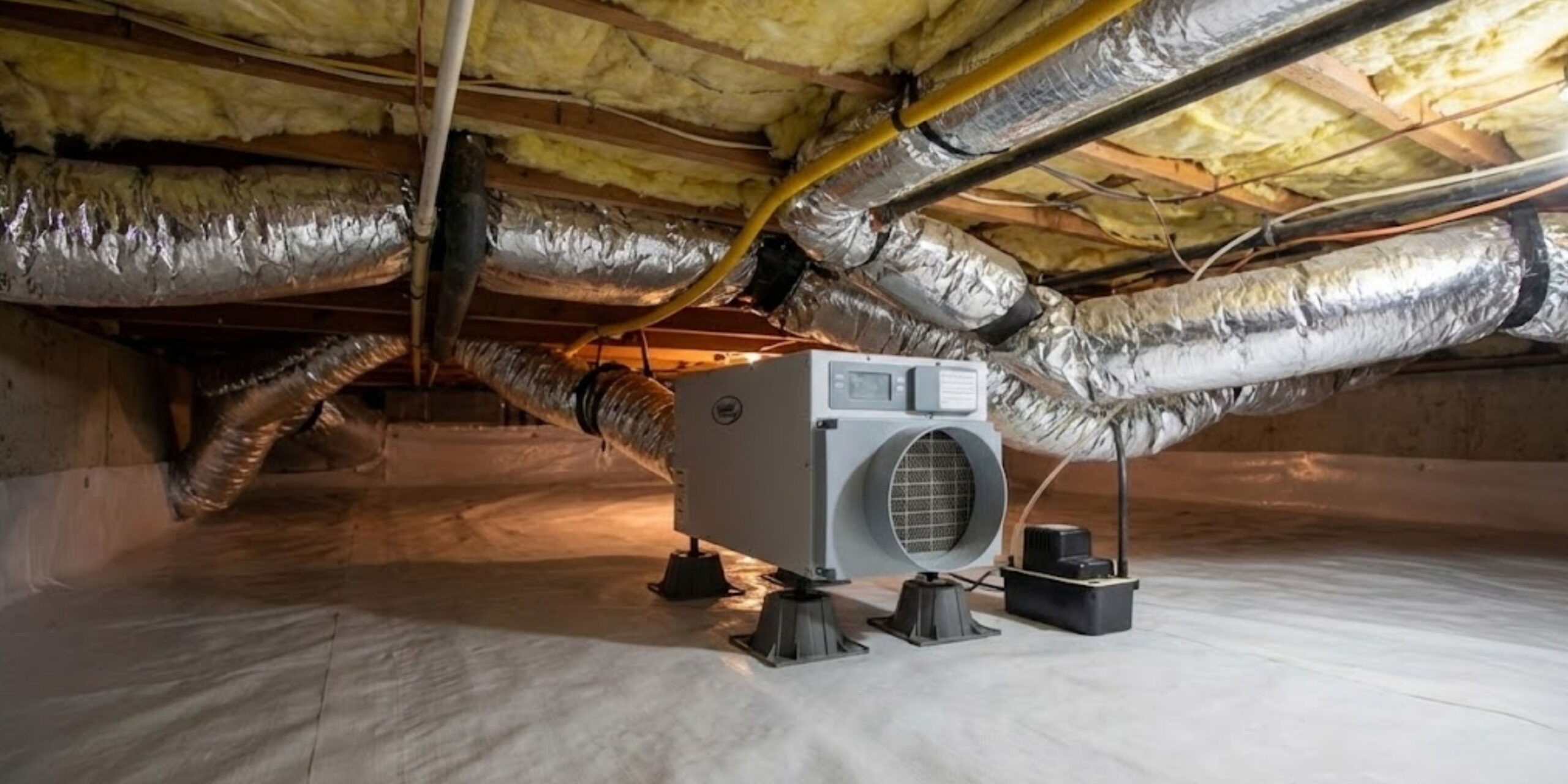
When a whole-home dehumidifier is the right add-on
A whole-home dehumidifier works alongside your HVAC system to remove moisture from every room until your home reaches a comfortable level, generally in the 30 to 50 percent relative humidity range. It is the right fix when your AC is otherwise healthy and sized correctly, but your climate or home simply pushes more moisture than cooling alone can handle.
A dehumidifier also protects your home: excess moisture invites mold, musty odors, and mildew, and drier air feels cooler, so many homeowners stay comfortable at a slightly higher thermostat setting. A Paschal Pro can confirm whether your home is a good fit and size the unit to the space.
When upgrading to a humidity-controlling system is the real fix
If your AC is aging, undersized, or oversized, the most effective fix is often a new system designed to manage humidity. Variable-speed and two-stage systems run longer at a lower speed instead of blasting on and off, and that longer runtime pulls far more moisture out of the air than an older single-stage unit. The result is steadier temperatures and noticeably less stickiness, often without a separate dehumidifier.
This is the path the older “buy a dehumidifier instead” advice missed. Today’s high-efficiency systems are much better at humidity control than the equipment most homes were built with, so if you are already weighing a replacement, humidity performance is a real reason to choose a variable-speed system. When we replace a system, a Paschal Pro sizes it to your home with a load calculation so it runs long enough to both cool and dehumidify.
How to decide which path is right
A few questions usually make the choice clear:
- How old is your AC? Under about 10 years and otherwise healthy, start by managing humidity and consider a dehumidifier. Past 12 to 15 years, an upgrade that controls humidity is often the better investment.
- Is the system the right size? If it cools fast but the house stays damp, short cycling from an oversized unit may be the culprit, and a properly sized replacement fixes it.
- Is humidity your only complaint? If the AC is fine and you just need less moisture, a whole-home dehumidifier is the simpler add-on.
- Are you already planning to replace? If so, choosing a variable-speed system solves humidity at the same time.
Paschal installs new air conditioners and heat pumps from manufacturers like Trane and American Standard, and we can walk you through whether managing, adding a dehumidifier, or upgrading makes the most sense for your home. Homeowners across Arkansas, Oklahoma, Missouri, and Texas have left Paschal more than 17,000 Google reviews and an A+ BBB rating.
Still humid no matter what you try?
Tell us what’s going on and a Paschal Pro will help you figure out the right next step. Paschal Air, Plumbing & Electric has delivered world-class service across Arkansas, Oklahoma, Missouri, and Texas for over 55 years. Licensed Paschal Pros, up-front pricing, and clear next steps before any work begins.