Want to save with Paschal? Don’t miss our current offers and specials

Want to save with Paschal? Don’t miss our current offers and specials

Want to save with Paschal? Don’t miss our current offers and specials
Return to Paschal Resource & Education Hub
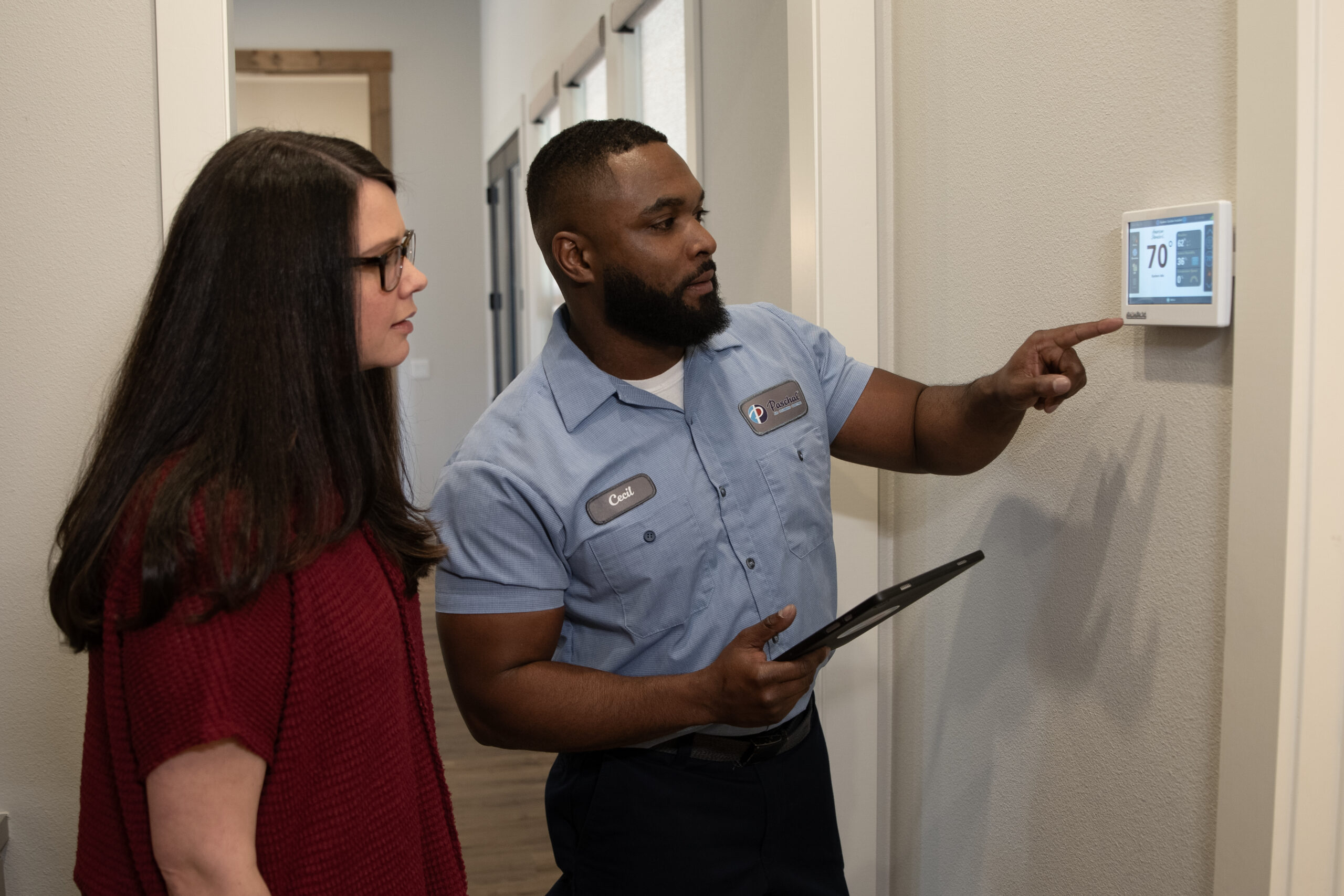
If your air conditioner is blowing hot air, the most common causes are a thermostat set to the wrong mode, dirty air filters restricting proper airflow, an outdoor unit that lost power at a tripped breaker, a failed capacitor, dirty condenser coils, or low refrigerant caused by a leak. Start by confirming the thermostat is set to cool with the fan on auto, then check your filters and make sure the outdoor unit is running. This guide walks through every step to troubleshoot your air conditioning system at home, plus the signs that mean it is time to call a professional.
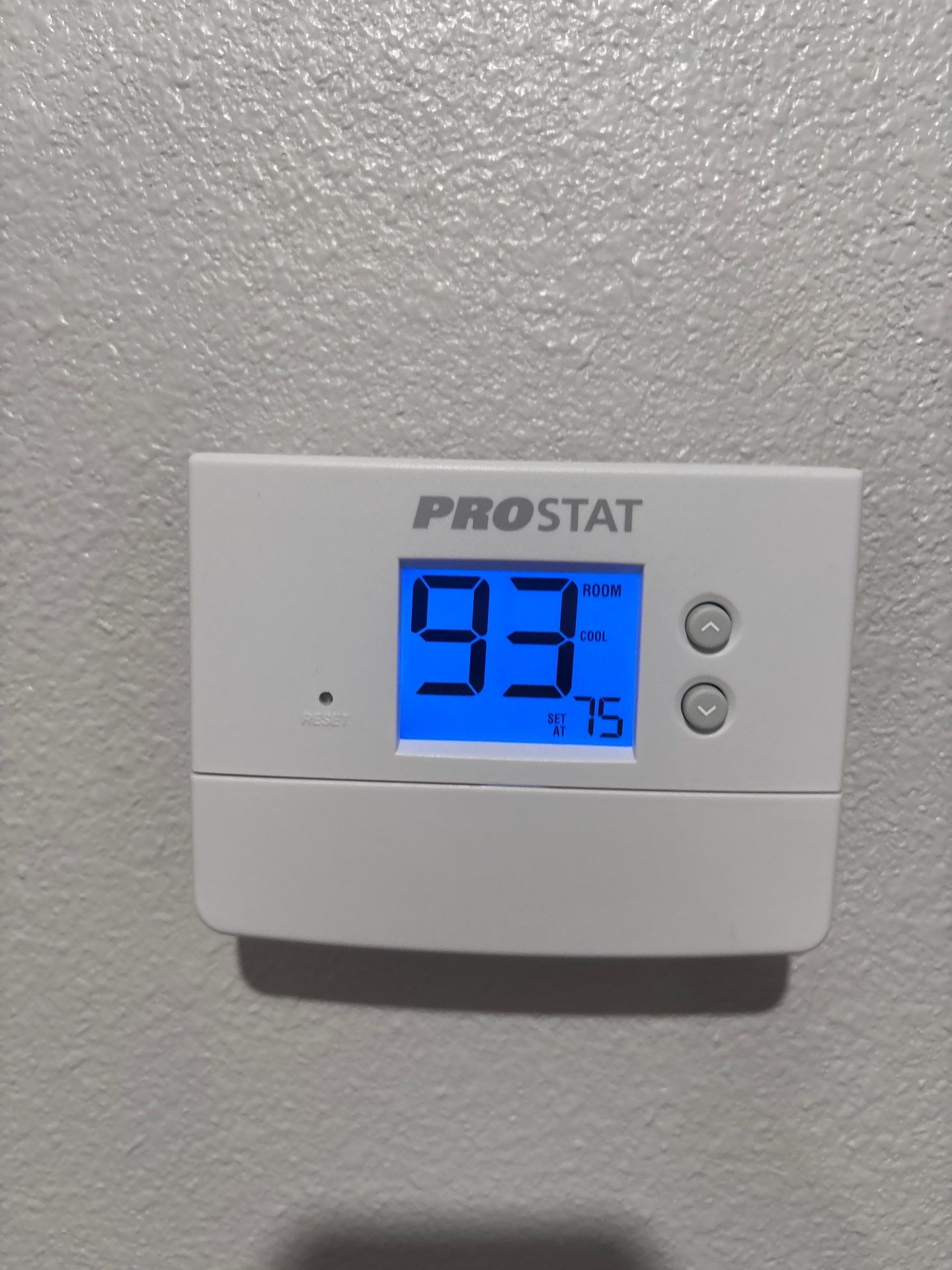
Before you assume the worst, work through these three checks on your ac unit. They resolve a good chance of hot air complaints without a service call.
A thermostat switched to heat, set above room temperature, or left on fan-only will cause this problem. Weak batteries are another common cause, because a thermostat losing power can fail to signal the outdoor unit. Confirm the set point is several degrees below the current temperature in your home.
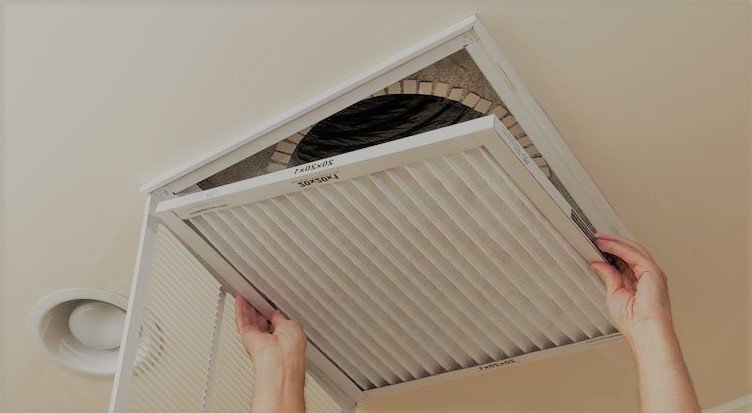
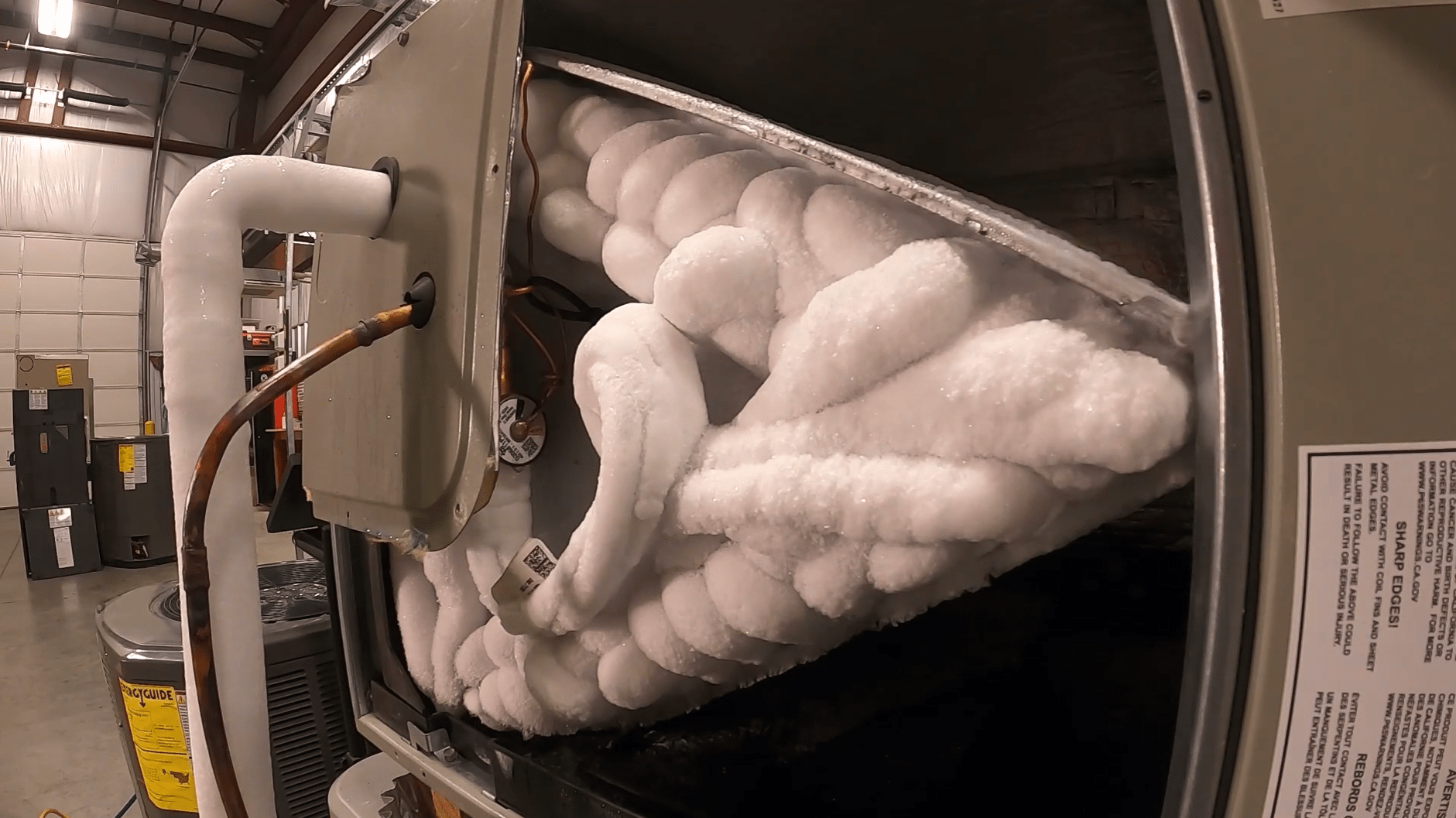
Filters protect the equipment and keep dust and debris out of your ductwork. When they clog, airflow drops, the coil gets too cold, and ice buildup forms. Once ice covers the coil, air passes over frozen metal instead of a working surface and arrives at your vents warm. Changing filters every one to three months is the cheapest way to maintain proper airflow and protect indoor air quality. Learn how often to change your filters.
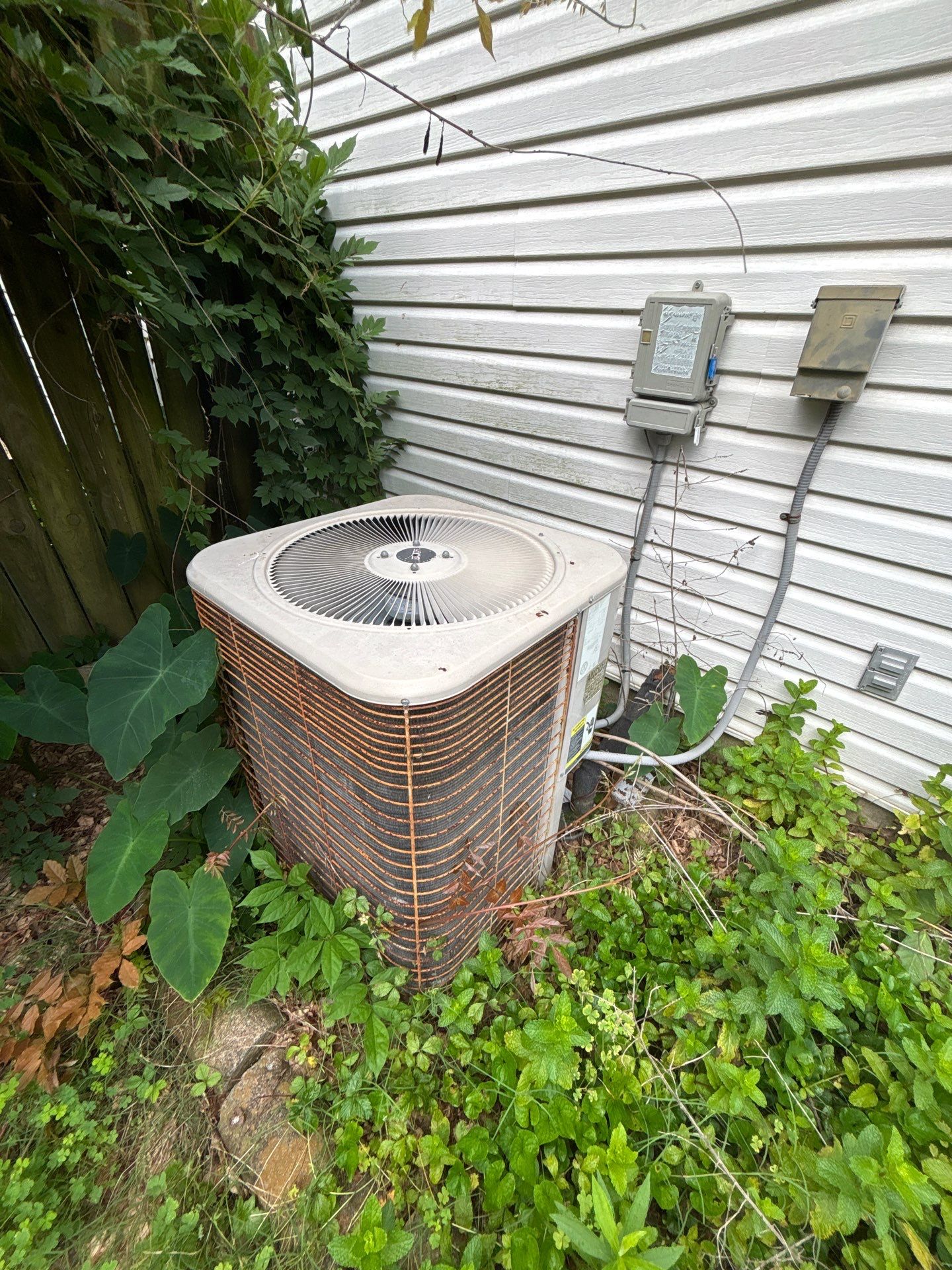
Your air handler and outdoor condenser often run on separate circuits. That is why the indoor blower motor can keep running while the outdoor unit sits dead. Check the electrical panel for a tripped breaker and the disconnect box near the condenser. Reset it once. If the breaker trips again, turn the system off and call a technician, because repeated tripping points to a mechanical or electrical fault.
The capacitor gives the compressor and fan motors the jolt they need to start. Summer heat is hard on this component, and a failing one is a common reason an air conditioning system stops cooling in July. Listen for a hum or click from the outdoor unit without the fan starting, or watch the fan spin while the compressor stays quiet. Without the compressor, the cooling process never begins and the air circulated inside stays at room temperature.
The outdoor condenser coils release the heat your system collects indoors. Grass clippings, leaves, dirt, and debris pack into the fins and block that heat transfer, forcing the ac unit to overheat and lose efficiency. Turn the power off, remove loose debris by hand, and clean the coils gently with a hose. Keep two feet of clear space around the cabinet so it can move air effectively.
Refrigerant is the liquid and gas that travels through the system and carries heat outside. Equipment does not consume refrigerant gas, so a low charge means a leak somewhere in the line set. Watch for hissing sounds, ice on the refrigerant line, longer run times, and rising energy costs. A certified HVAC technician has to inspect the system, find the root of the leak, repair it, and recharge to the correct pressure. Adding refrigerant without fixing the leak is a costly short-term fix.
Ice buildup on the indoor coils stops heat transfer completely. Turn the system off and let it thaw, which can take several hours, then resolve the cause and restore proper airflow, usually by replacing filters or repairing a low charge. Read our guide to a frozen AC unit.
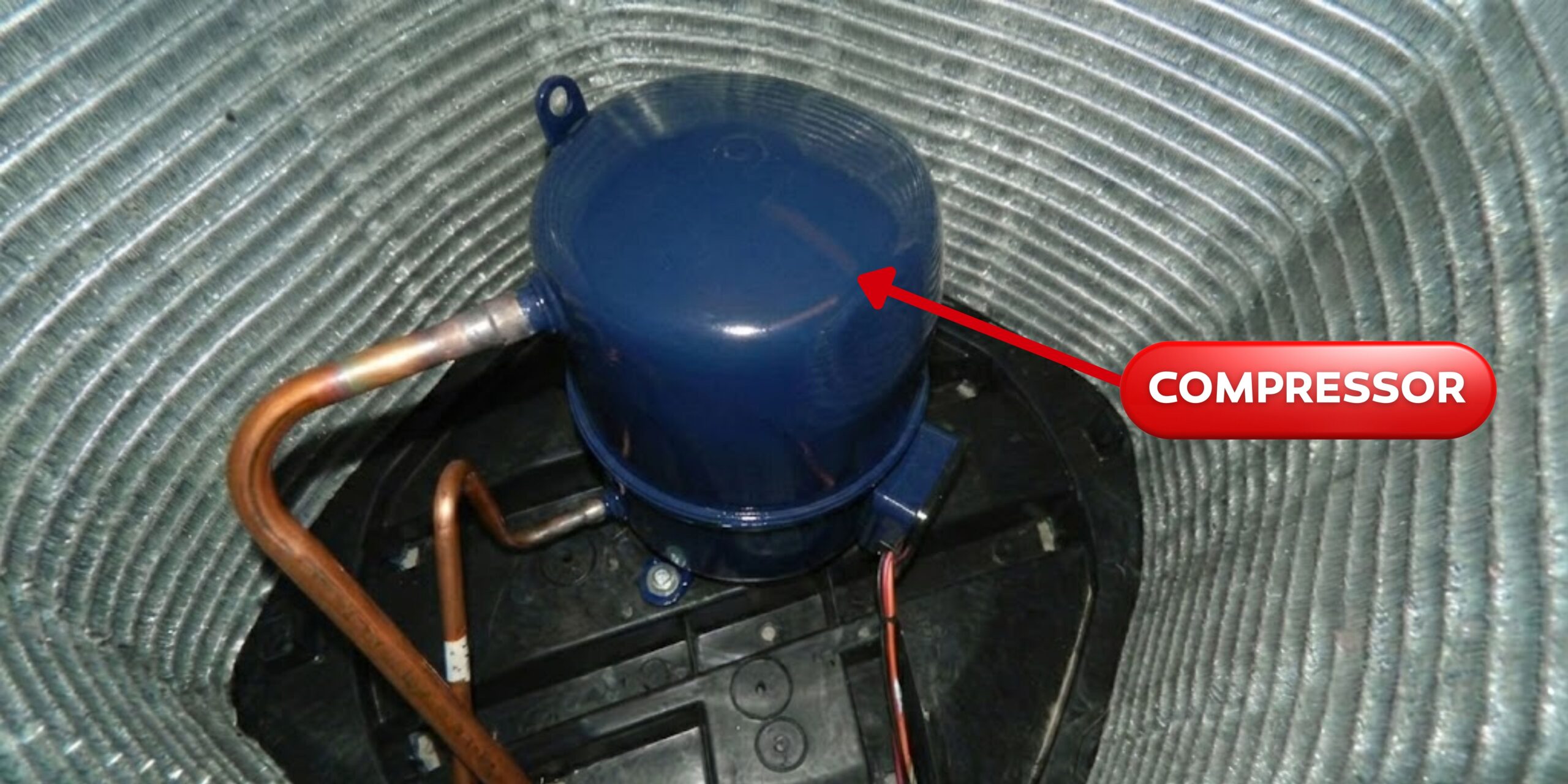
The compressor is the heart of the cooling cycle, and the expansion valve controls how much refrigerant enters the evaporator coil. When either begins to fail, every other component can appear to be working while no cold air is produced. Signs include hard starting, rattling noises, and a breaker that keeps tripping. Compressor replacement is a major repair, and on an older air conditioner it is worth weighing repair against replacement.
During a summer heat wave, vent air can feel weak while the cooling system is working correctly. Central equipment typically holds about 20 degrees below the outdoor temperature, so at 100 degrees outside your house may sit near 80 no matter where the thermostat is set.
Here is a simple test. Touch the air at a supply vent, then at the return. Supply air should be noticeably cold, usually 15 to 20 degrees cooler. If that difference is there, the air conditioner is cooling and simply working hard. If the air is the same temperature, one of the problems above is the cause.
Most hot air problems are preventable with basic care. Change filters on schedule, keep the outdoor cabinet clear, and watch for water or ice near the air handler. A spring tune-up lets a trained tech test the capacitor, confirm the refrigerant charge, clean the coils, check the blower motor, and catch worn parts before the heat arrives. Regular AC maintenance protects comfort, indoor air quality, and equipment life.
Contact a licensed HVAC technician if the outdoor unit will not start, you suspect a refrigerant leak, the evaporator coil keeps freezing after you replace the filters, the breaker trips repeatedly, or the air is still not cold after these steps. Capacitors hold a dangerous charge and refrigerant work requires certification, so these repairs are not do-it-yourself jobs.
Paschal has served homeowners across Arkansas and the surrounding region since 1968. Our certified techs arrive in stocked service vehicles, explain the diagnosis in plain language, and provide clear options before any work begins, with financing available. Schedule same-day AC repair or call (479) 900-0784 to book an appointment and restore cooling to your home.
For other symptoms, visit our AC not working troubleshooting hub or read the complete home air conditioning guide.
A sudden change usually means a tripped breaker at the outdoor unit, a failed capacitor, or a thermostat switched out of cool mode. Check the thermostat and breaker first, then confirm the condenser is running.
The air handler and outdoor condenser run on separate circuits, so the blower motor can keep running while the outdoor unit has no power. A failed capacitor, dirty condenser coils, or low refrigerant will also produce warm air with the thermostat set correctly.
Yes. Clogged filters restrict airflow enough to freeze the evaporator coil, and once ice buildup forms the cooling system stops working. It is the most common and least expensive problem to fix.
It can be. A low charge means a leak, since equipment does not use refrigerant gas up. Listen for hissing, look for ice on the line, and watch for long run times. A technician must find and repair the leak before recharging.
Yes, if you see ice, hear unusual noises, smell burning, or the breaker keeps tripping. Running the ac unit in that condition can damage the compressor.
Common signs are a humming outdoor unit that will not start, a fan that needs a push to turn, and warm air indoors. Capacitors store a charge even with the power off, so testing should be left to a professional.


© 2026 Paschal Air, Plumbing & Electric. All rights Reserved. ARHVACR: 1448550 . ARPlumb: MP6860 . ARElec: M-11071 . ARContractor: 031664 . TXHVACR: TACLA129951E . TXPlumb: M-44920 . TXElec: TECL38435 . OKHVACR: 068145 . OKPlumb: 082277 . OKElec: 00227101 . Texas Department of Licensing and Regulations, PO Box 12157, Austin TX 78711 (512) 463-6599 . The Texas State Board of Plumbing Examiners, PO Box 4200, Austin TX 78765 (512) 936-5200 . Plumbing: #M-44920 RMP Joshua Gross