Want to save with Paschal? Don’t miss our current offers and specials

Want to save with Paschal? Don’t miss our current offers and specials

Want to save with Paschal? Don’t miss our current offers and specials
Return to Paschal Resource & Education Hub
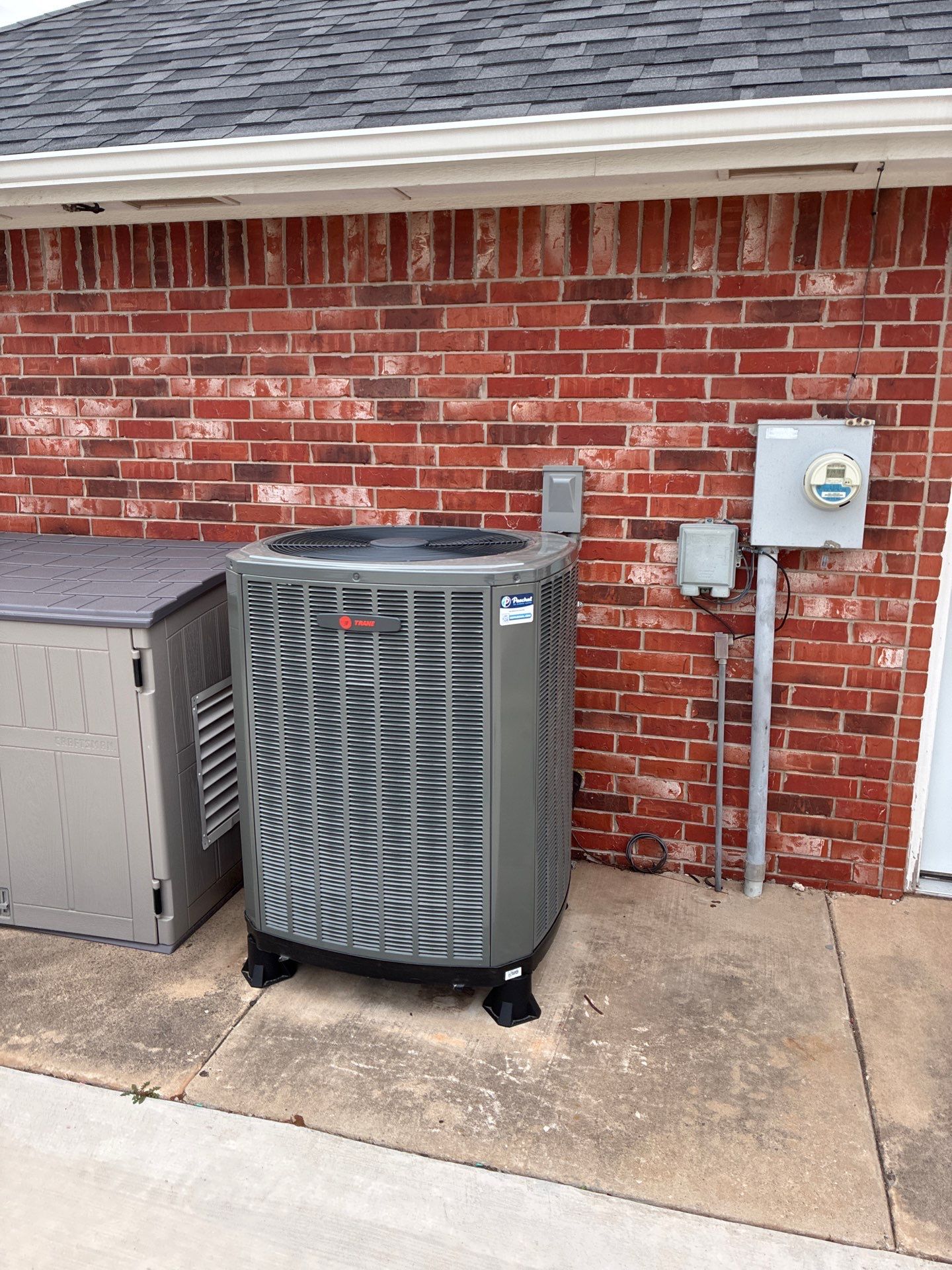
Home air conditioning is the system that removes heat and humidity from inside your house and moves it outside. A central AC does this with a matched pair of components: an indoor unit that absorbs heat from your air and an outdoor unit that releases it. This guide covers how air conditioning actually works, the types of systems available, the problems that send most homeowners searching for help, how to maintain your system, and how to decide when it’s time to repair versus replace.
Most people assume an air conditioner makes cold air. It doesn’t. It moves heat, and it does that using refrigerant, a substance that absorbs heat when it evaporates and releases heat when it condenses.
The cycle looks like this:
That cycle repeats continuously while the system runs. Because your AC removes a set amount of heat per hour rather than cooling to a magic number, there’s a practical limit to how cold it can keep your home on an extreme day, which we cover further down.
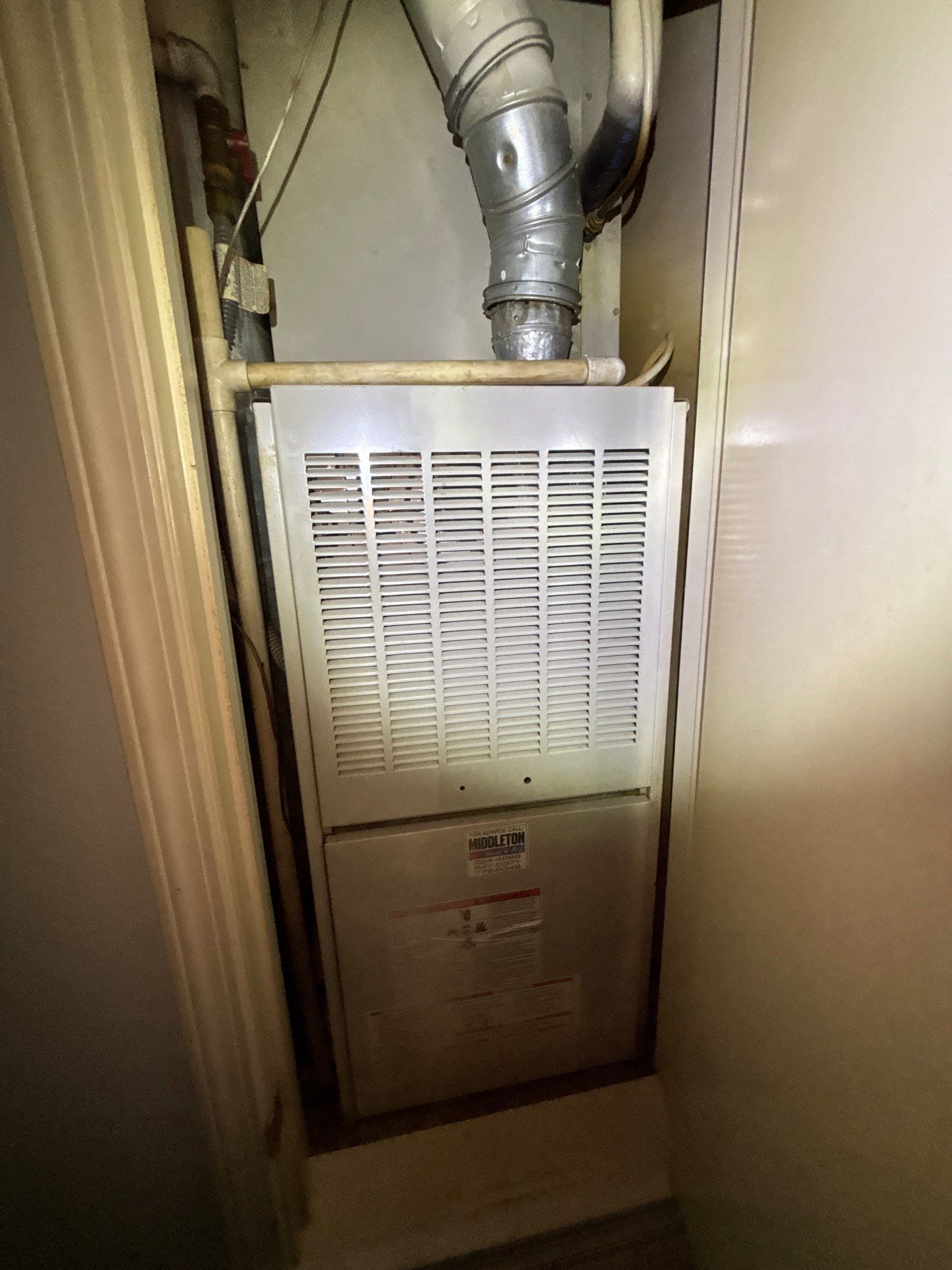
The most common setup in American homes. A split system pairs an outdoor condenser with an indoor coil and air handler, distributing cooled air through ductwork. It cools the whole house evenly and hides most of the equipment out of sight.
A heat pump works like an air conditioner in summer, then reverses to bring heat into your home in winter. It’s a single system for both heating and cooling, and it’s typically very efficient in moderate climates.
Mini-splits connect an outdoor unit to one or more indoor wall units without ductwork. They’re a strong fit for additions, garages, sunrooms, converted attics, and homes without existing ducts, and they allow room-by-room temperature control.

All components live in a single outdoor cabinet, often on a roof or slab. These are more common in smaller homes and light commercial buildings.
Most AC service calls trace back to a short list of issues:
A central air conditioner can generally maintain an indoor temperature about 20 degrees below the outdoor temperature. On a 100-degree afternoon, roughly 80 degrees inside is normal, even with the thermostat set to 72. That isn’t a malfunction, it’s the physics of how much heat the system can move per hour.
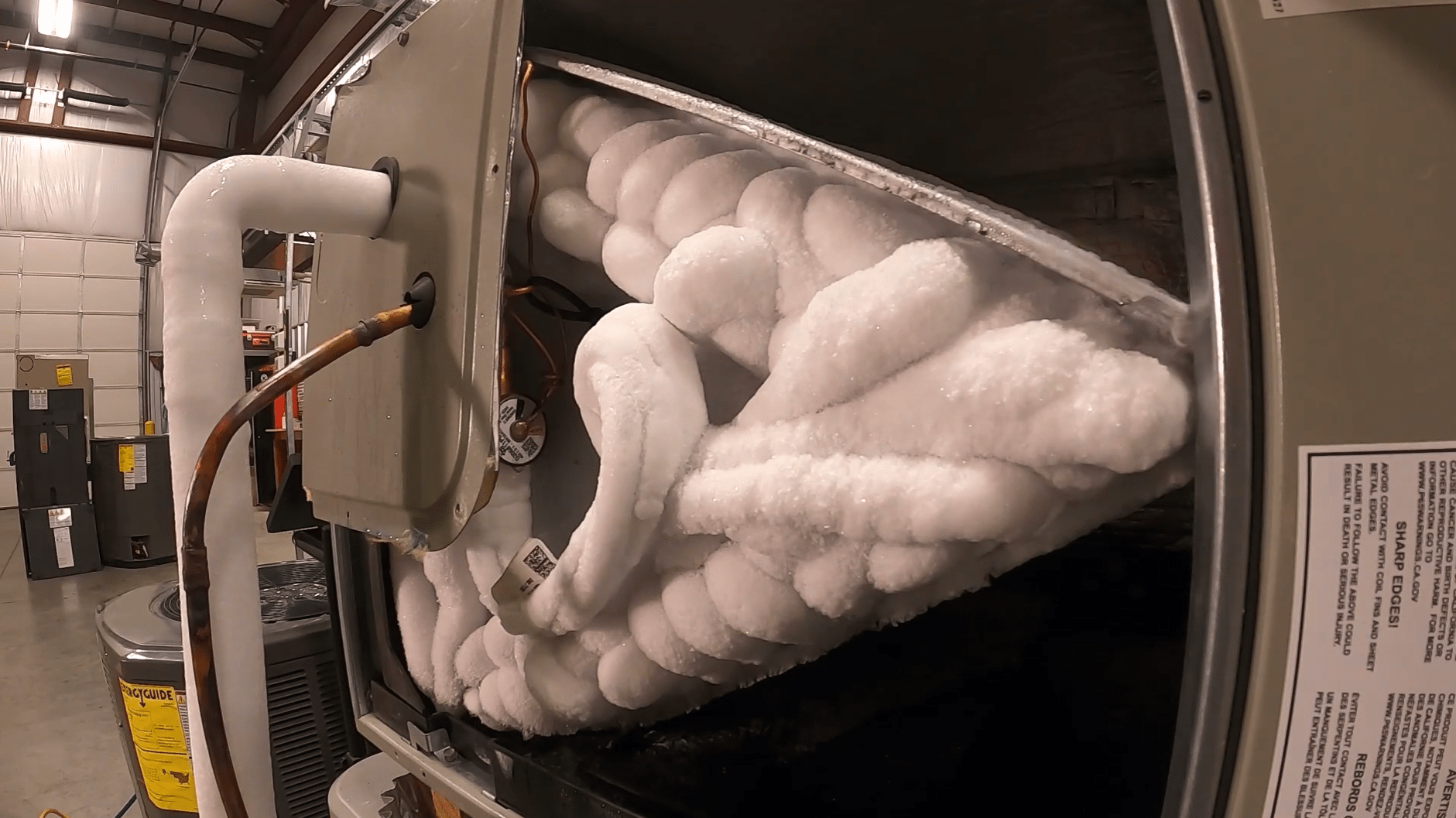
The warning signs that something is wrong: air at the vents that isn’t cold, a temperature gap that keeps shrinking day over day, ice on the lines, short cycling, or tripped breakers.
Most premature AC failures are maintenance failures. A few habits protect your system:
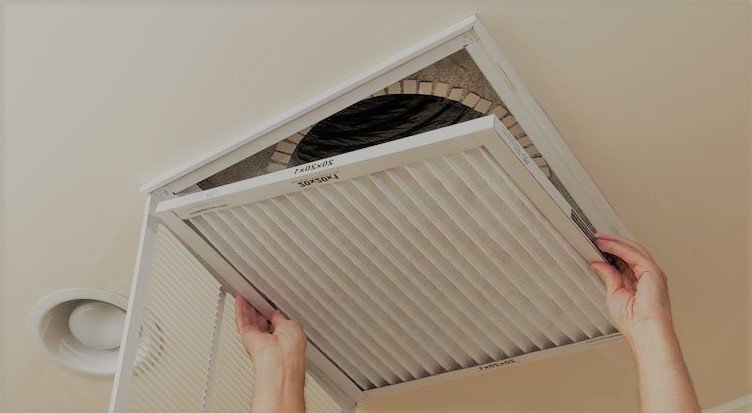
Book a professional AC maintenance visit to keep the system at full capacity.
Cooling efficiency is measured in SEER2, the current federal standard that replaced the older SEER rating. A higher SEER2 number means more cooling delivered per unit of energy, which generally means lower operating costs over the life of the system.
Higher efficiency equipment costs more up front, so the question is how long you plan to stay in the home and how much you run the system. Read our SEER2 overview and our comparison of 16 SEER vs. 18 SEER systems.
Pricing varies widely by market, system, and home, so rather than quote figures that won’t match your situation, here’s what actually moves the number:
The most important variable isn’t the brand on the box, it’s the quality of the installation and whether the system was sized correctly. For a real number on your home, request a quote.
Lean toward repair when the system is under about 10 years old, the failure is a minor component, it’s still under warranty, and this is its first significant problem.
Lean toward replacement when the system is 12 to 15+ years old, the compressor or evaporator coil has failed, repairs are becoming routine, your energy bills keep climbing, or some rooms never get comfortable. Our full breakdown: is that AC repair worth it?
A useful gut check: if a single repair approaches a meaningful share of what a new system would cost and the unit is already past a decade of service, replacement is usually the better long-term value.
With consistent maintenance, most central air conditioners last roughly 12 to 15 years, and heat pumps are often similar. Systems that get annual service and regular filter changes routinely reach the top of that range. Systems that don’t often fail years early.
Getting this right matters more than most homeowners realize. An oversized AC short cycles, leaves your home humid and clammy, and wears out faster. An undersized one runs constantly and never catches up in a heat wave.
A proper load calculation accounts for square footage, insulation, window area and orientation, ceiling height, ductwork, and local climate. Any contractor who quotes a size based only on square footage is guessing. See what to know before buying a new air conditioner.
Whether you need a repair, an annual tune-up, or a full system replacement, our team handles it. Explore our cooling services, schedule AC repair, or call (479) 900-0784.
An air conditioner moves heat rather than creating cold. Refrigerant absorbs heat from your indoor air at the evaporator coil, carries it outside to the condenser, and releases it into the outdoor air. The cooled, dehumidified air is then circulated back through your ductwork.
Most central air conditioners last about 12 to 15 years with regular maintenance. Annual tune-ups and consistent filter changes are the biggest factors in reaching the upper end of that range.
Repair usually makes sense for units under 10 years old with a minor component failure or active warranty. Replacement usually makes sense for units 12 to 15+ years old, a failed compressor or evaporator coil, repeat repairs, or rising energy bills.
It depends on a load calculation that accounts for square footage, insulation, windows, ceiling height, ductwork, and climate. Sizing by square footage alone leads to oversized systems that short cycle and leave the home humid.
SEER2 is the current federal efficiency rating for cooling equipment, replacing the older SEER standard. A higher SEER2 means more cooling per unit of energy consumed, which generally lowers operating costs.
Central air conditioners can typically maintain about 20 degrees below the outdoor temperature. On a 100-degree day, around 80 degrees indoors is expected. If the air at your vents isn’t cold or the gap keeps shrinking, have the system inspected.
Once a year, ideally in spring before cooling season, plus filter changes every one to three months. Annual service catches weak capacitors, low refrigerant, and dirty coils before they cause a mid-summer breakdown.


© 2026 Paschal Air, Plumbing & Electric. All rights Reserved. ARHVACR: 1448550 . ARPlumb: MP6860 . ARElec: M-11071 . ARContractor: 031664 . TXHVACR: TACLA129951E . TXPlumb: M-44920 . TXElec: TECL38435 . OKHVACR: 068145 . OKPlumb: 082277 . OKElec: 00227101 . Texas Department of Licensing and Regulations, PO Box 12157, Austin TX 78711 (512) 463-6599 . The Texas State Board of Plumbing Examiners, PO Box 4200, Austin TX 78765 (512) 936-5200 . Plumbing: #M-44920 RMP Joshua Gross