Unfortunately, summer cooling is about to cost more than ever, and it is due to rising electricity prices across the board, not any single company raising rates. The average U.S. household is projected to spend nearly $792 on electricity this summer, up 10.5 percent from last year, and homes across Texas, Oklahoma, and Arkansas are expected to face the highest summer electric bills in the country. If you have an older air conditioner and your bills keep climbing, replacing it with an energy-efficient air conditioner is one of the most effective ways to bring those costs back down. Here is why bills are rising and how an efficient upgrade pays you back.
Why summer electric bills keep climbing in 2026
According to a June 2026 report from the National Energy Assistance Directors Association, average residential electricity costs are rising from about $717 last summer to roughly $792 this year, and summer cooling costs have jumped nearly 40 percent since 2020. Two forces are driving it: electricity prices keep rising, and hotter summers mean air conditioners run longer and more often.
It hits our region hardest. The report singles out the West South Central region, which includes Texas, Oklahoma, and Arkansas, as facing the highest average summer electric bills in the nation. You can read the full report from NEADA here. For homeowners here, that makes the efficiency of your cooling system more important than almost anywhere else in the country.
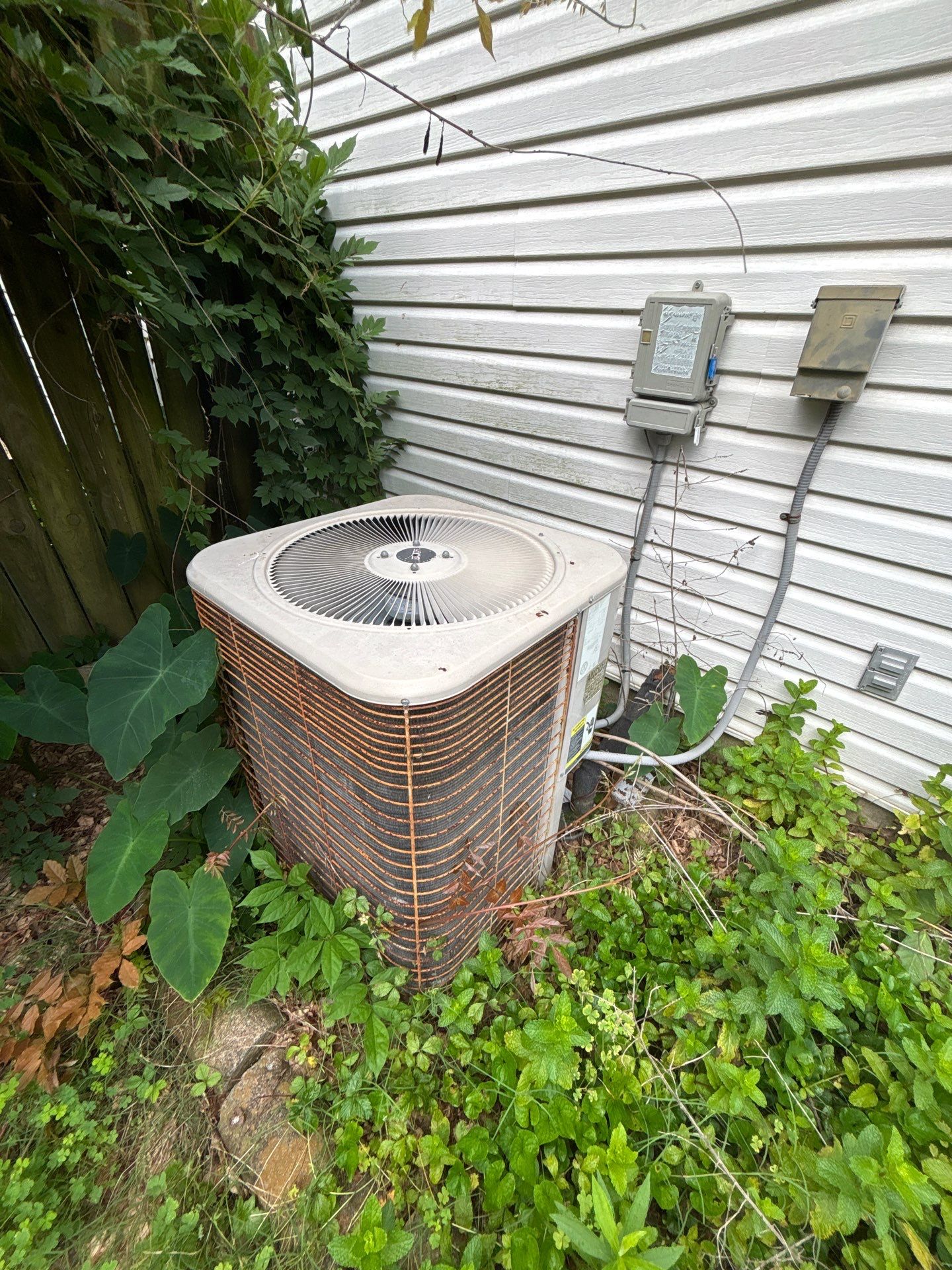
How an older AC quietly drives your bill up
An air conditioner loses efficiency as it ages. The same unit that cooled your home easily ten or fifteen years ago now runs longer to hit the same temperature, and every extra minute of runtime shows up on your bill. Wear on the parts, a refrigerant charge that has slipped over the years, and older technology all mean the system works harder for less cooling.
Efficiency is measured by a SEER2 rating, and a system from the early 2010s often carries a much lower rating than today’s equipment. That gap is exactly where your money goes each summer: an older, lower-efficiency unit simply burns more electricity to deliver the same comfort.
How an energy-efficient air conditioner lowers your bill
A new energy-efficient air conditioner uses less electricity to do the same job. Higher SEER2 equipment, especially variable-speed and two-stage systems, runs at lower speeds for longer stretches instead of cycling full-blast on and off. That uses less energy, holds temperatures steadier, and pulls more humidity out of the air, so your home feels cooler at a higher thermostat setting.
The result is a meaningful drop in the energy your cooling uses during the months you run it most. In a region projected to have the highest summer bills in the country, that reduction can add up quickly over a long, hot season. A Paschal Pro sizes the system to your home with a load calculation so it runs efficiently rather than oversized and short-cycling.
The math: a monthly payment your savings help offset
The honest tradeoff is this: a new system is an investment, and most homeowners finance it as a monthly payment. The upside is that a high-efficiency system can significantly lower your monthly cooling costs, and those savings help offset the payment from the start. As bills keep rising, that offset only grows.
Then comes the part that makes it worth it: even after the equipment is paid off, the lower utility bill stays. The savings that were helping cover your payment go straight back into your pocket, summer after summer. How much you save depends on the system you are replacing, your home, and your local rates, so the smartest first step is a clear, no-pressure look at your options. Our Free Price Check gives you a second opinion on any quote, and financing spreads the cost into a predictable monthly payment.
Quick ways to trim your bill right now
If a replacement is not in the cards yet, a few steps help in the meantime:
- Keep up with AC maintenance. A clean coil and fresh filter restore efficiency a neglected system loses.
- Set the thermostat as high as is comfortable and let it rise a few degrees when you are away.
- Run ceiling fans, close blinds on sunny windows, and seal obvious air leaks.
For more, see our guide on why your electric bill is so high in summer. These help, but on an aging system they only go so far, which is why an efficient replacement is the bigger lever.
Want a second opinion before you replace?
Already have a quote you’re unsure about? Our Free Price Check is a no-strings second opinion. Or tell us what’s going on and a Paschal Pro will help you figure out the right next step. Paschal Air, Plumbing & Electric has delivered world-class service across Arkansas, Oklahoma, Missouri, and Texas for over 55 years.
Still have questions about rising AC prices, or want a quote to start planning your replacement? Contact our team anytime and a Paschal Pro will help you map out the smartest next step for your home and budget.
More ways to cut your energy use this summer
While you weigh a new system, a few habits trim your energy bills day to day, and small changes add up over a long cooling season.
- Run ceiling fans. Fans let you feel comfortable a few degrees warmer, so the AC uses less energy.
- Mind the thermostat. Setting the temperature a little higher, and letting it rise while you are away during the day, cuts cooling cost with little change in comfort.
- Shift heat-making appliances. Run the dishwasher, oven, and dryer in the cooler parts of the day so they are not keeping the house warm and adding to the AC’s work.
- Block the sun. Close blinds on windows that get direct sun, and seal gaps around windows and doors to keep cooled air in.
These tips help you save now, but on an older system they only go so far. The biggest, most lasting cut to your energy bills comes from replacing aging equipment with an energy-efficient air conditioner that uses less energy every day.
Simple ways to reduce your energy use room by room
Small changes in how you use energy at home add up across a hot summer. Use these tips to save money without spending much.
- Turn off lights and electronics in rooms you are not using, and switch to LED lights to reduce the energy they draw and the heat they add.
- Use ceiling fans in occupied rooms so you feel cooler and can set the thermostat to a higher temperature.
- Run major appliances like the dishwasher and dryer at night, when they add less heat and overall energy use is lower.
- Find and seal air leaks around windows and doors so the cool air you pay for stays in your rooms.
- Learn your usage from your utility app or bill to find which rooms and appliances drive your energy bills.
These tips help you save money now, but the biggest way to reduce energy use long term is a high-efficiency system that uses less power to keep your home cool. Even a well-maintained water heater and tight ducts help, yet cooling is where most summer energy goes.
Frequently Asked Questions
Why is my summer electric bill so high in 2026?
Electricity prices are rising and summers are getting hotter, so air conditioners run longer. A June 2026 NEADA report projects the average household will spend about $792 on electricity this summer, up 10.5 percent, with Texas, Oklahoma, and Arkansas facing the highest bills in the nation. An aging, less efficient AC makes it worse.
Will a new high-efficiency AC really lower my electric bill?
Yes, a higher-efficiency system uses less electricity to deliver the same cooling, so it can significantly lower your summer cooling costs. How much depends on the system you are replacing, your home, and your local rates. Variable-speed systems also improve comfort and humidity control.
Is it worth replacing my AC if it still works?
If your system is older and your bills keep climbing, often yes. An aging unit loses efficiency and costs more to run every summer. A high-efficiency replacement lowers those ongoing costs, and once it is paid off, the savings continue. A Free Price Check helps you weigh it without pressure.
Does financing a new system make sense?
For many homeowners it does. Financing turns the cost into a predictable monthly payment, and the lower utility bill from a high-efficiency system helps offset that payment. Once the equipment is paid off, the energy savings stay with you.
What efficiency rating should I look for?
Efficiency is measured by SEER2, and higher is more efficient. The right rating depends on your home, budget, and how much you run the system. A Paschal Pro can recommend a SEER2 level that balances up-front cost with long-term savings and size it correctly for your home.
What can I do to lower my bill before replacing?
Keep up with AC maintenance, set the thermostat a little higher and let it rise when you are away, run ceiling fans, close blinds on sunny windows, and seal air leaks. These help, but on an aging system they go only so far compared with an efficient replacement.