Want to save with Paschal? Don’t miss our current offers and specials

Want to save with Paschal? Don’t miss our current offers and specials

Want to save with Paschal? Don’t miss our current offers and specials
Return to Paschal Resource & Education Hub
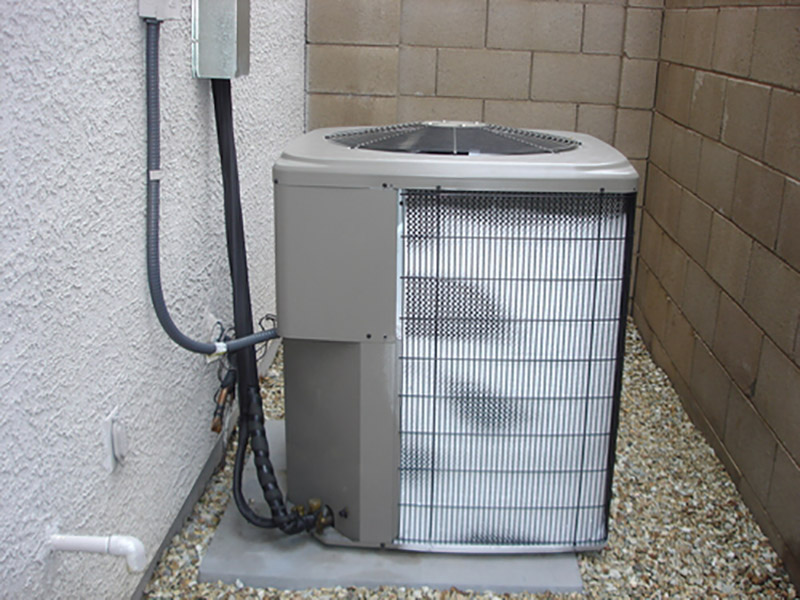
If you look outside on a cold morning and see frost or ice on your heat pump, it may be completely normal. A light layer of frost that melts off every 30 to 90 minutes means the defrost cycle is doing its job, but a heat pump frozen solid for hours, or ice covering the top, fan, and sides, usually points to a problem like a failed defrost control, a stuck outdoor fan, low refrigerant, or water dripping onto the unit. Here’s how to tell normal winter frost from a real problem, what you can safely do yourself, and when to call a Paschal Pro.
Yes, some frost is normal. In heating mode, the outdoor coil gets colder than the outside air, so moisture freezes on it, especially on damp days between about 25 and 40 degrees. The heat pump is designed to melt that frost on its own with a defrost cycle, so a thin, even layer that comes and goes is nothing to worry about.
During defrost, the system briefly reverses to send warm refrigerant to the outdoor coil. You might notice:
A defrost cycle typically lasts about 5 to 15 minutes. Here’s more on what aux heat means when it appears.
A frozen heat pump needs service when the ice doesn’t clear after a few hours, covers the whole unit including the top and fan, or comes with weak heat and high bills. Normal frost is thin and temporary. A real freeze-up is thick, keeps building, and stops the heat pump from heating your home.
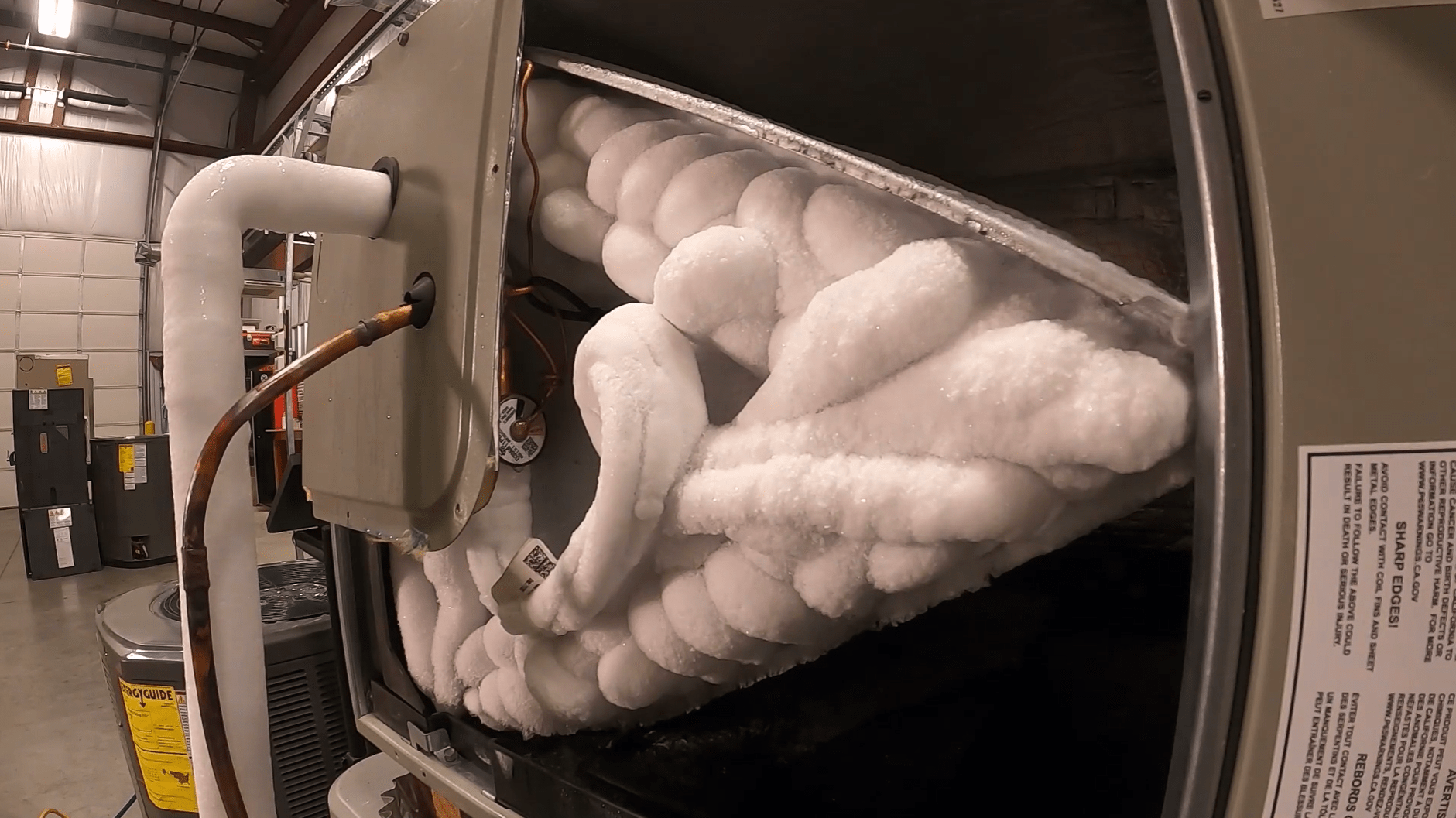
The defrost board, sensor, or thermostat tells the heat pump when to melt the ice. If one of these parts fails, the defrost cycle never starts, and frost builds into solid ice. This is one of the most common causes of a heat pump frozen in winter, and it needs a technician to test and replace the part.
A failed fan motor or capacitor stops air from moving across the coil, so ice builds quickly. If the fan isn’t spinning when the unit runs, and it isn’t in defrost, turn the system to backup heat and schedule service.
A refrigerant leak makes the coil run colder than it should, which causes heavy icing and weak heat. Adding refrigerant without fixing the leak only buys time. A proper repair finds and seals the leak first.
The reversing valve switches the heat pump between heating, cooling, and defrost. If it sticks, the system can’t defrost correctly, and you may notice the unit blowing cool air in heat mode.
A clogged filter or closed vents indoors lowers system pressure and can make the outdoor coil ice over. Check the filter first, since it’s an easy fix.
A leaking gutter, roof runoff, or freezing rain can drip onto the heat pump and freeze faster than defrost can melt it. Snow drifts or a unit sitting too low can block airflow and trap meltwater at the base. Ice storms across Arkansas, Oklahoma, and Missouri are a common culprit here.
Don’t chip or scrape the ice, and don’t pour boiling water on the coil. The fins and tubing are thin and easy to damage, and a punctured coil is a much bigger repair. Don’t wrap or cover the heat pump with a tarp in winter, either. It needs airflow to run.
Call for service if ice stays on the unit for more than a few hours, the outdoor fan isn’t running, the heat pump is frozen on the top and sides, or your home isn’t staying warm. A Paschal Pro will test the defrost controls, fan motor, and reversing valve, check refrigerant levels, and look for leaks, then walk you through what they found with up-front pricing before any work begins. Schedule heating repair online, or learn more about how Paschal handles heating services.
A fall tune-up, a clear area around the outdoor unit, and good drainage prevent most heat pump freeze-ups. Catching a weak fan motor, low refrigerant, or a failing defrost sensor before the first hard freeze keeps you from losing heat when you need it most.
Paschal’s Planned Protection Membership includes a yearly HVAC maintenance visit and priority scheduling, so your heat pump gets checked before winter. For more on how heat pumps handle the cold, see our guides to cold climate heat pumps, heat strips, and programming a heat pump thermostat. If your system is icing up in summer instead, read about a frozen AC unit.
A little frost is normal and clears during the defrost cycle. A heat pump that stays frozen usually has a failed defrost control, an outdoor fan that isn’t running, low refrigerant, a stuck reversing valve, or water dripping onto the unit.
Most defrost cycles last about 5 to 15 minutes and repeat every 30 to 90 minutes in frosty conditions. If ice stays on the unit for more than a few hours, the defrost system may not be working.
Don’t use boiling water, and never chip or scrape the ice, since both can damage the coil. If the unit is frozen solid, switch the thermostat to backup heat and let a technician find out why it isn’t defrosting.
Running it for a short time during normal defrost is fine. Running a heat pump that’s encased in ice for hours can strain the compressor and fan motor. Switch to backup heat and schedule service.
Steam is usually just melting frost evaporating during the defrost cycle. It’s normal and often looks like smoke on cold mornings. Real smoke, a burning smell, or loud grinding is different and needs service right away.
It depends on the cause. A dirty filter or a blocked unit costs nothing to fix yourself, while a defrost board, fan motor, or refrigerant leak repair costs more. A Paschal Pro will diagnose the problem and give you up-front pricing before any work begins.


© 2026 Paschal Air, Plumbing & Electric. All rights Reserved. ARHVACR: 1448550 . ARPlumb: MP6860 . ARElec: M-11071 . ARContractor: 031664 . TXHVACR: TACLA129951E . TXPlumb: M-44920 . TXElec: TECL38435 . OKHVACR: 068145 . OKPlumb: 082277 . OKElec: 00227101 . Texas Department of Licensing and Regulations, PO Box 12157, Austin TX 78711 (512) 463-6599 . The Texas State Board of Plumbing Examiners, PO Box 4200, Austin TX 78765 (512) 936-5200 . Plumbing: #M-44920 RMP Joshua Gross