Want to save with Paschal? Don’t miss our current offers and specials

Want to save with Paschal? Don’t miss our current offers and specials

Want to save with Paschal? Don’t miss our current offers and specials
Return to Paschal Resource & Education Hub
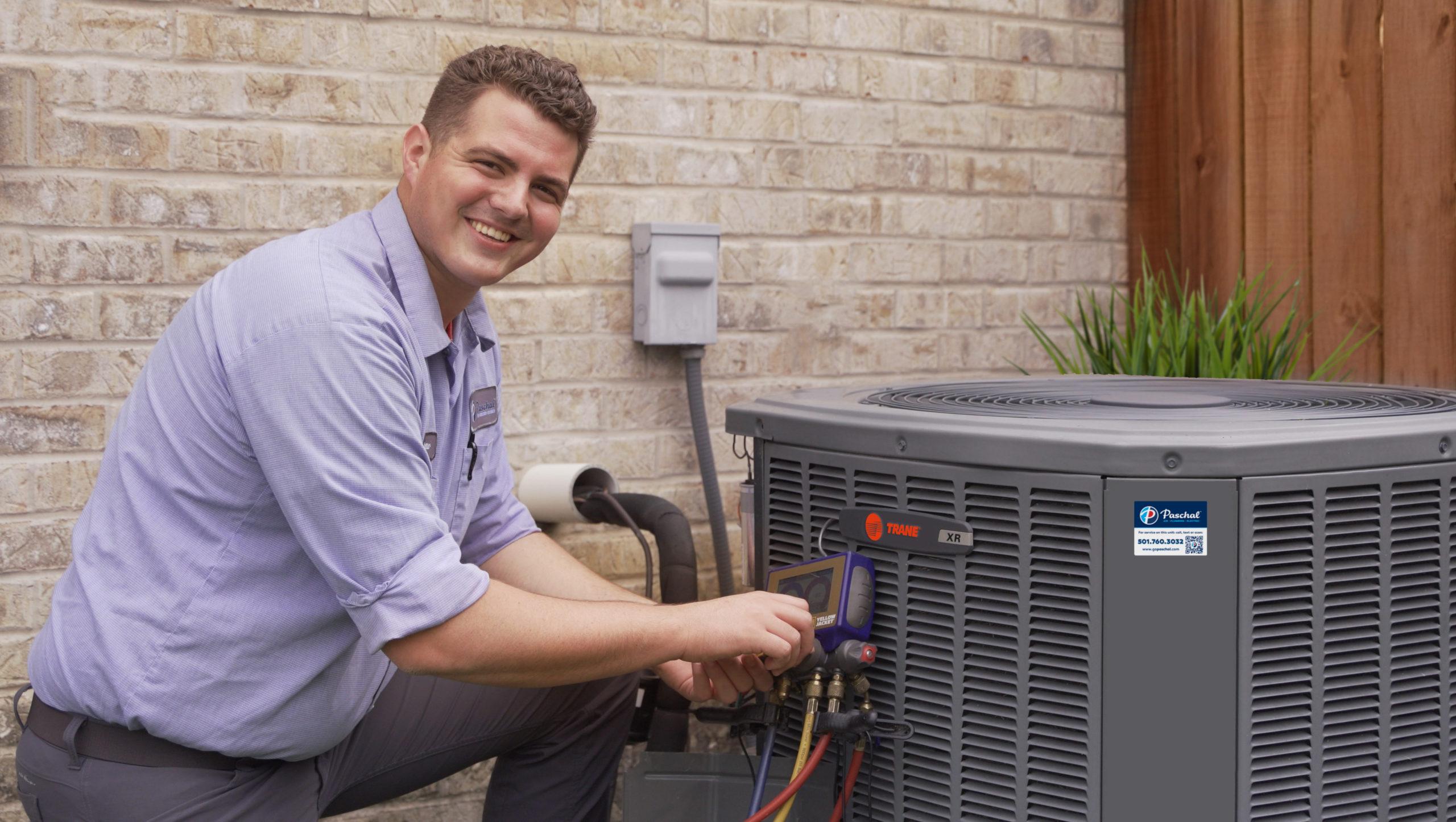
When your air conditioner quits on you, the quickest way to pin down the problem is to match what you are seeing with what is causing it. Most ac repair calls come down to a short list of issues: dirty air filters, a thermostat setting, a tripped breaker, dirty coils, a failed capacitor, or low refrigerant. Run the four checks below, then jump to the section that matches what your air conditioning system is doing.
This guide walks you through the common system failures you can troubleshoot at home, and it flags the ones that call for a licensed repair technician. Some are quick fixes you will feel good about handling yourself. Others are not, and knowing the difference saves you time and protects your equipment.
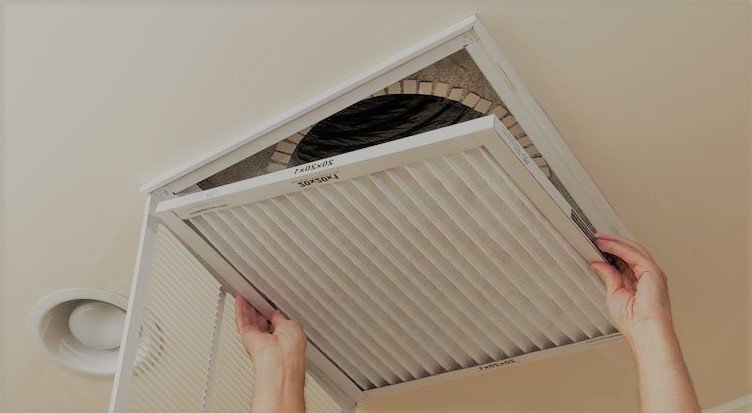
Check power first. A tripped breaker, a pulled disconnect, a dead thermostat, or a safety switch tripped by a full drain pan will all stop the cooling system. Look for water near the indoor equipment, which is a common sign the drain is blocked.
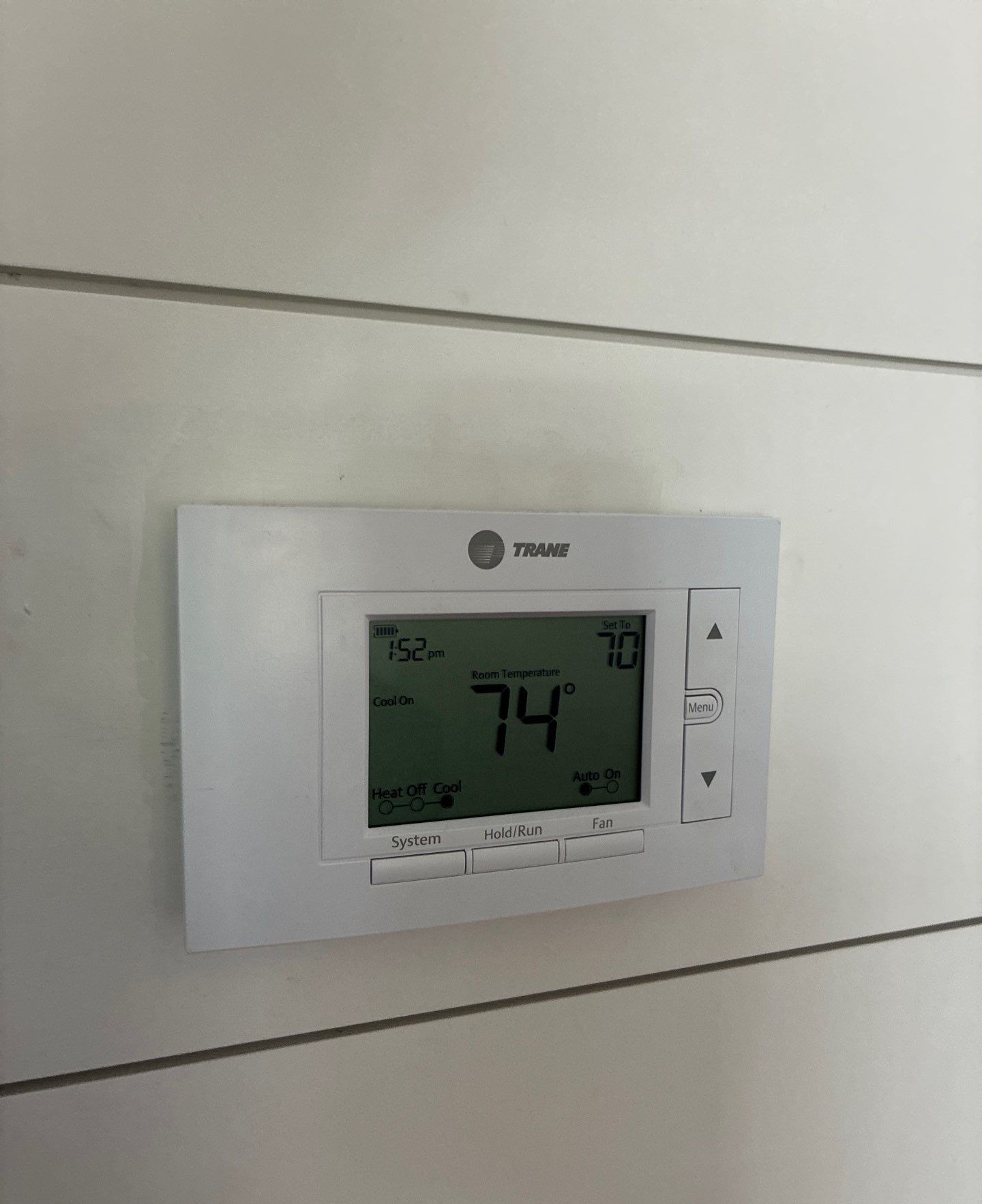
Usually a thermostat in the wrong mode, dirty air filters, a failed capacitor, dirty coils, or a refrigerant leak. If the vents are pushing warm air rather than blowing cold air, read why your AC is blowing hot air.
In extreme heat this can be normal, since most equipment holds about 20 degrees below the outdoor temperature. It can also mean dirty coils, restricted airflow, low refrigerant, or an ac system undersized for your home. See AC running but not cooling.
Check the filter, then the blower wheel, closed registers, and duct leaks. A dirty blower wheel is easy to miss and quietly reduces how much cool air reaches your rooms. See our guide to HVAC blower wheels.
Ice means restricted airflow or low refrigerant. Frozen evaporator coils cannot absorb heat, so the system runs without producing cold air. Turn it off, let the ice melt, and change the filter before running it again. Details: frozen AC unit.
Your system removes gallons of moisture per day, and that water has to drain. A clogged line or rusted pan sends it onto the floor. See AC leaking water.
A humming unit with a still fan usually points to a failed capacitor or motor. Shut it off to protect the compressor. More: AC fan not spinning.
Clicking can be a relay or capacitor. Buzzing points to electrical issues. Grinding and squealing suggest worn bearings. Rattling is often loose panels or debris. Strange noises are worth a diagnosis before parts fail completely, and catching them early often avoids a second service call.
Starting and stopping every few minutes wears out the compressor. Causes include an oversized system, a dirty filter, low refrigerant, or a failing capacitor.
This is an electrical fault. A failing compressor, shorted capacitor, or dirty condenser drawing high current can all cause it. Repeated resets risk damage, so call an expert.
High humidity levels indoors may indicate an air conditioning system is failing to dehumidify, often because it is oversized and short cycles before pulling moisture from the air. Unpleasant odors from an air conditioning system can suggest mold or mildew presence on the coil or in the ductwork. Do not ignore either sign. Moisture in the AC can create corrosive acid that damages components over time, turning a humidity complaint into a parts failure. See AC humidity problems and mold in air ducts.
Heat pumps use the same cooling cycle in summer, so nearly every symptom above applies to them as well. The difference is that a heat pump also runs in winter, which means twice the annual runtime and a stronger case for regular service.
Homeowners can safely change air filters, correct thermostat settings, reset a breaker one time, clean debris from the outdoor unit, open blocked registers, and clear a condensate line. These easy steps solve many problems, improve efficiency, and can save the cost of a service call.
Refrigerant work, capacitor and compressor replacement, electrical diagnosis, and repeat freezing all need a trained professional. Refrigerant handling is regulated, and capacitors hold a charge even with power off, so this work matters for your safety.
If the equipment is under about 10 years of age and the failed part is minor, air conditioning repair is the right choice. If it is 12 to 15 years or older, the compressor or coil has failed, or you need service every season, replacement is often the better long-term value. Work through it here: is that AC repair worth it.
Most calls are preventable with routine maintenance. Change filters, keep the outdoor unit clean, watch for water, and book an annual AC tune-up. Our Planned Protection Membership includes up to two system checks a year, so weak parts are found before they leave you without cooling. Poor installation is another common source of repeat problems, which is why quality workmanship matters as much as the equipment itself.
Paschal has been serving homeowners since 1968, and decades of experience is evident in every job we perform. Licensed, trained technicians arrive in stocked service vehicles with the parts needed to restore performance and comfort the same day. As a full heating and cooling company, we handle repair service for every season, not just summer.
Each diagnosis is explained in plain language, with upfront recommendations and options to fit any budget, financing available, and no work started without your approval. That integrity is why customers trust us and continue to choose Paschal for air conditioner repair.
Schedule same-day AC repair online and we will get your home comfortable again. For the full picture of how your equipment works, read our complete home air conditioning guide.
The most common causes are dirty air filters, a wrong thermostat setting, a tripped breaker, dirty coils, a failed capacitor, or low refrigerant. Check the thermostat, filter, breaker, and outdoor unit before you request service.
Turn it off at the thermostat, switch off the breaker, wait a minute, restore power, and set it back to cool. If the problem returns, call a repair technician rather than resetting again.
You can change air filters, fix thermostat settings, reset a breaker once, and clean the outdoor unit. Refrigerant, capacitors, and electrical repairs require a licensed professional.
Most common repairs are finished in a couple of hours once the technician confirms the diagnosis. Parts that must be ordered for older models can take longer.
This signals an electrical fault such as a failing compressor, a shorted capacitor, or a dirty condenser forcing high current. Have it diagnosed rather than resetting repeatedly.
It depends on the part that failed, whether refrigerant is involved, and warranty coverage. We provide upfront pricing and options before any work begins.


© 2026 Paschal Air, Plumbing & Electric. All rights Reserved. ARHVACR: 1448550 . ARPlumb: MP6860 . ARElec: M-11071 . ARContractor: 031664 . TXHVACR: TACLA129951E . TXPlumb: M-44920 . TXElec: TECL38435 . OKHVACR: 068145 . OKPlumb: 082277 . OKElec: 00227101 . Texas Department of Licensing and Regulations, PO Box 12157, Austin TX 78711 (512) 463-6599 . The Texas State Board of Plumbing Examiners, PO Box 4200, Austin TX 78765 (512) 936-5200 . Plumbing: #M-44920 RMP Joshua Gross